Signs of Raccoons in Attic: How to Tell
Raccoons in an attic are not always obvious at first, but they leave clear signs once you know what to look for. This guide covers the sounds, droppings, and physical damage that tell you a raccoon has moved in above your ceiling, and what to do about it.
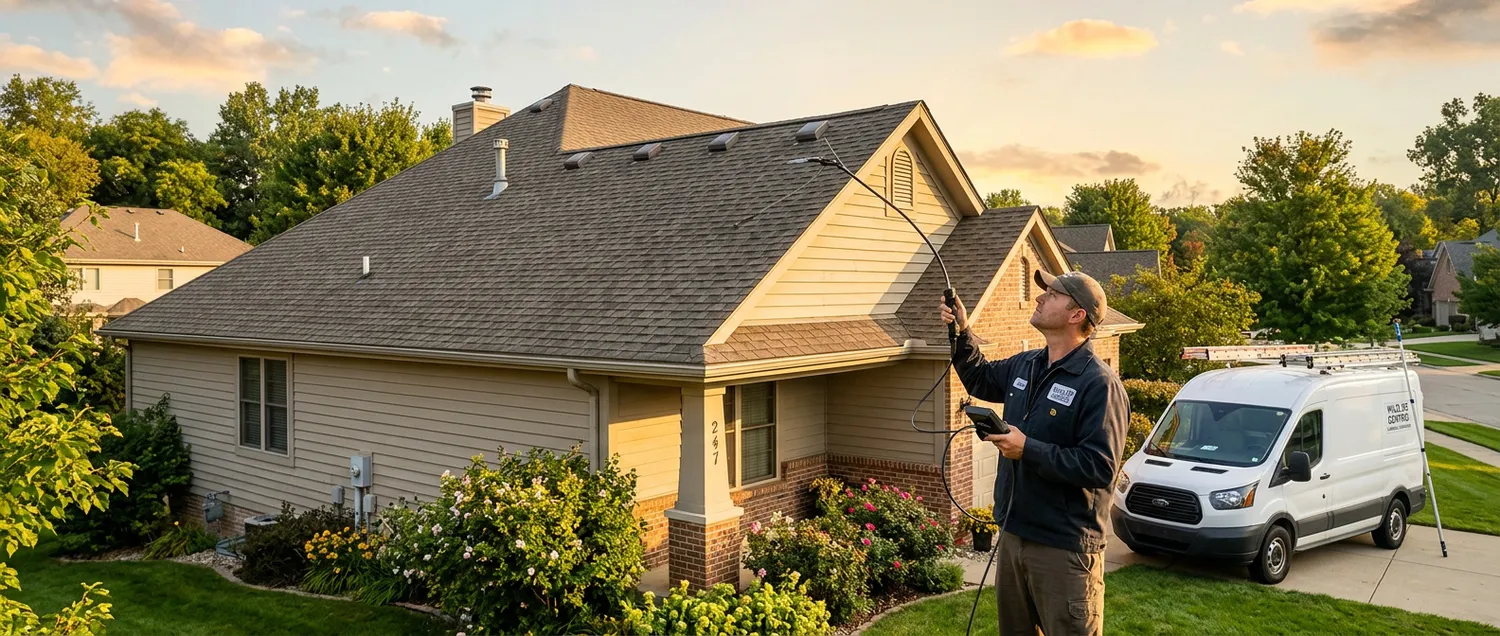
How to Use This Raccoon Guide
Start with the signs and safety information that match what you are seeing, then follow the recommended next step for your home. Raccoon activity can involve an active den, hidden entry points, contaminated insulation, or a seasonal issue, so solving the immediate problem and preventing a return both matter.
For practical help, learn about raccoon proofing and entry-point sealing, review the raccoon removal cost factors, or call to connect with a local wildlife professional.
Sounds Raccoons Make in the Attic
Sound is usually the first sign homeowners notice. Raccoons are nocturnal, so most sounds happen at night. Unlike squirrels, which produce light scurrying sounds, raccoons are heavy enough to create thumping, dragging, and walking sounds. You may also hear chittering, purring, or whining, especially if babies are present.
If you hear sounds during the day, it could still be raccoons, particularly during birthing season when mothers are caring for young. Pay attention to where the sounds are concentrated, as raccoons tend to use specific areas as denning and latrine sites.
Visual Signs Inside the Attic
If you can safely inspect your attic, look for these visual signs of raccoon activity:
- Torn, matted, or displaced insulation, often in a concentrated area
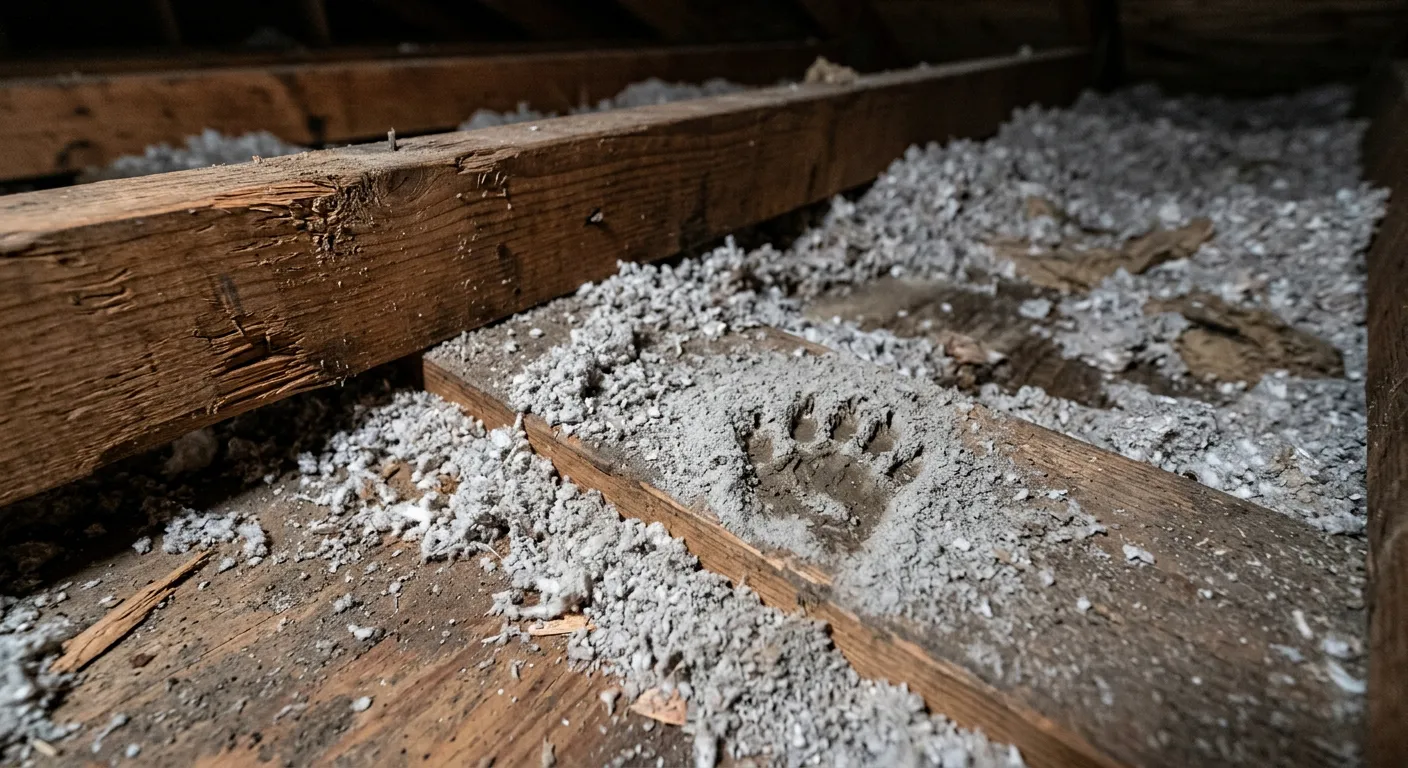
- Latrine sites with piles of droppings on plywood or insulation
- Nesting material gathered from insulation, leaves, or other debris
- Walked-down paths through the insulation from the entry point to the den
- Chewed wiring, ductwork, or wooden framing
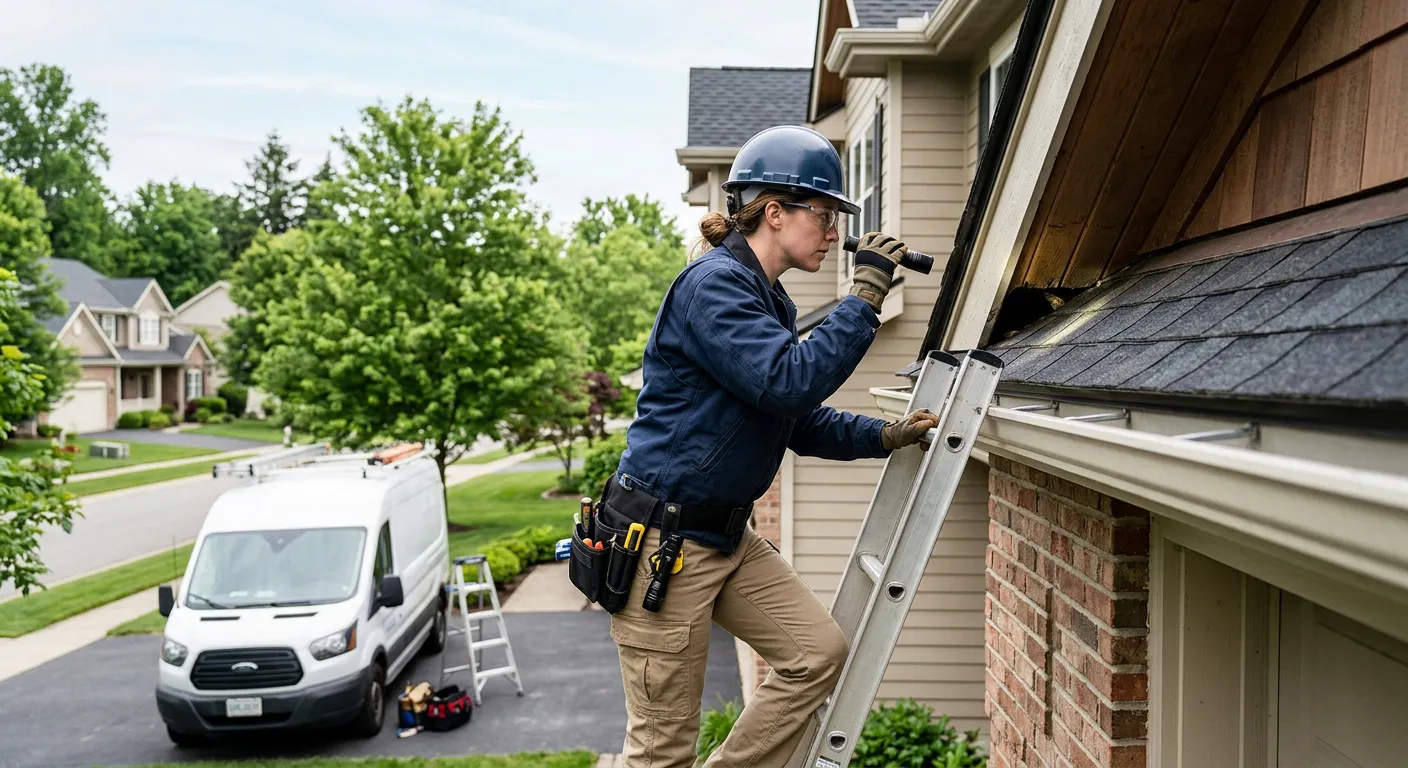
Exterior Signs of Raccoon Entry
From outside, check your roofline for signs of how raccoons are getting in:
- Damaged or torn vents on the roof or gable ends
- Loose or displaced soffits, especially near the roof edge
- Missing or damaged shingles around potential entry points
- Dark grease rub marks on downspouts, roof edges, or nearby branches
- Gaps around pipe or cable penetrations through the roof
- Uncapped or damaged chimneys
Other Clues Around the House
Raccoons in the attic can also cause signs inside the living space. Ceiling stains from urine soaking through drywall, unusual odors from the attic, and visible damage to exterior vents or soffits are all warning signs. If you notice any combination of these signs, call a local wildlife professional to inspect.
Do not attempt to handle raccoon droppings or nesting material without proper protective equipment. Raccoon droppings can carry parasites that pose health risks. Consult public-health guidance for safe handling practices.
Related Raccoon Removal Topics
The right solution depends on where the raccoon is living and what evidence it has left behind. Compare raccoons in an attic, safe raccoon droppings cleanup, and long-term raccoon prevention before deciding what to do next.
Need Professional Help?
If you are dealing with a raccoon problem, call to connect with a local wildlife professional. See our Raccoons in Attic page for more information.
Frequently Asked Questions
What do raccoons in the attic sound like?
Raccoons create heavy thumping, dragging, and walking sounds, unlike the lighter scurrying of squirrels. You may also hear chittering, purring, or whining, especially if babies are present.
Can I tell if babies are in the attic?
Whining or crying sounds concentrated in one area often indicate babies. A mother raccoon seen repeatedly entering the same spot during spring is another sign. A professional can confirm whether babies are present.
Are raccoon droppings dangerous?
Raccoon droppings can carry parasites, including raccoon roundworm eggs. Never handle droppings without protective equipment, and never sweep or vacuum dry droppings. Consult public-health guidance for safe cleanup practices.
Should I go into my attic if I think raccoons are there?
Use caution. A mother raccoon with babies can be protective and aggressive. If you hear sounds or see signs, the safest approach is to call a professional to inspect rather than investigating yourself.
What should I do if I confirm raccoons are in my attic?
Call to connect with a local wildlife professional. Do not block the entry while animals are inside, and do not attempt removal yourself. A professional can plan humane removal and seal entry points.
Call Now for Raccoon Help
Call to connect with a local wildlife professional who can inspect your home, remove raccoons humanely, and seal entry points.