Do Raccoon Repellents Work? The Truth About Sprays & Devices
Store shelves are full of raccoon repellents, from ultrasonic devices to predator urine to ammonia sprays. But do any of them actually work? This guide explains the reality behind raccoon repellents and what really keeps raccoons away from your home.
How to Use This Raccoon Guide
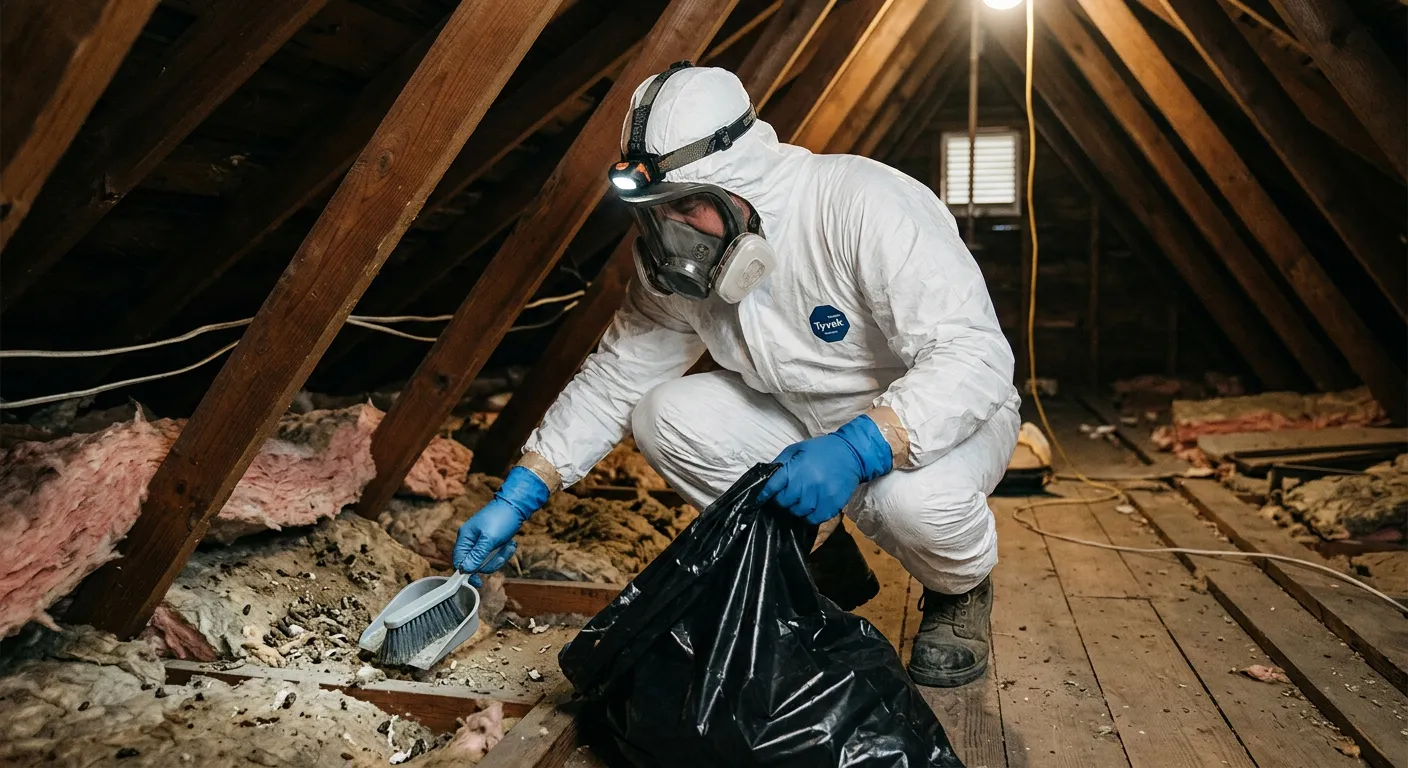
Start with the signs and safety information that match what you are seeing, then follow the recommended next step for your home. Raccoon activity can involve an active den, hidden entry points, contaminated insulation, or a seasonal issue, so solving the immediate problem and preventing a return both matter.
For practical help, learn about raccoon proofing and entry-point sealing, review the raccoon removal cost factors, or call to connect with a local wildlife professional.
Ultrasonic Devices
Ultrasonic devices claim to repel raccoons with high-frequency sound waves that are inaudible to humans but disturbing to animals. However, there is little scientific evidence that these devices effectively repel raccoons. Raccoons may initially avoid the area but quickly become accustomed to the sound, especially if food and shelter are available.
Ultrasonic devices are not a reliable solution for raccoon problems. If raccoons have established a den in your attic or under your deck, a device will not convince them to leave. The most effective approach is humane removal followed by sealing entry points.
Chemical Repellents: Ammonia and Mothballs
Ammonia and mothballs are commonly recommended as raccoon repellents. The idea is that the strong odor will drive raccoons away. In practice, these substances may irritate raccoons temporarily but are not a reliable long-term solution. Raccoons may simply move to a different part of the attic or return once the odor fades.
Additionally, ammonia and mothballs can pose risks to children, pets, and the environment. Using them in enclosed spaces like attics can create hazardous conditions for your household. They are not recommended as a raccoon control method.
Predator Urine
Predator urine, such as coyote or fox urine, is sold as a raccoon deterrent based on the idea that raccoons will avoid areas where they sense a predator. While raccoons may initially react to the scent, its effectiveness is limited, especially in areas where food and shelter are abundant. Rain and weather also wash away the scent quickly.
Predator urine is not a reliable solution for raccoon problems. If raccoons have entered your home, removal and exclusion are necessary, not scent-based deterrents.
What Actually Works to Keep Raccoons Away
The most effective way to keep raccoons away from your home is a combination of removal, exclusion, and prevention:
- Have raccoons humanely removed by a professional
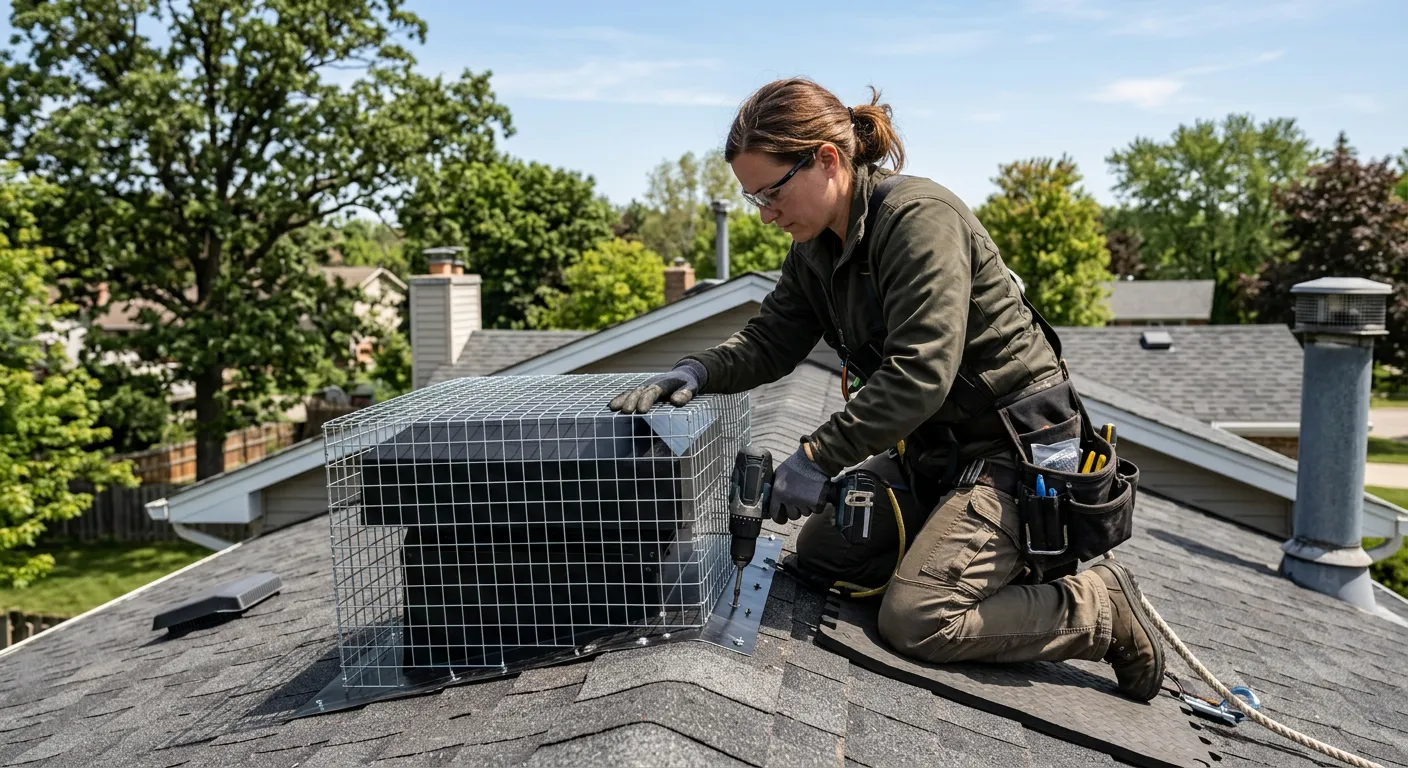
- Seal every entry point with heavy-gauge steel mesh, flashing, vent guards, and chimney caps
- Trim tree branches at least six feet from your roofline
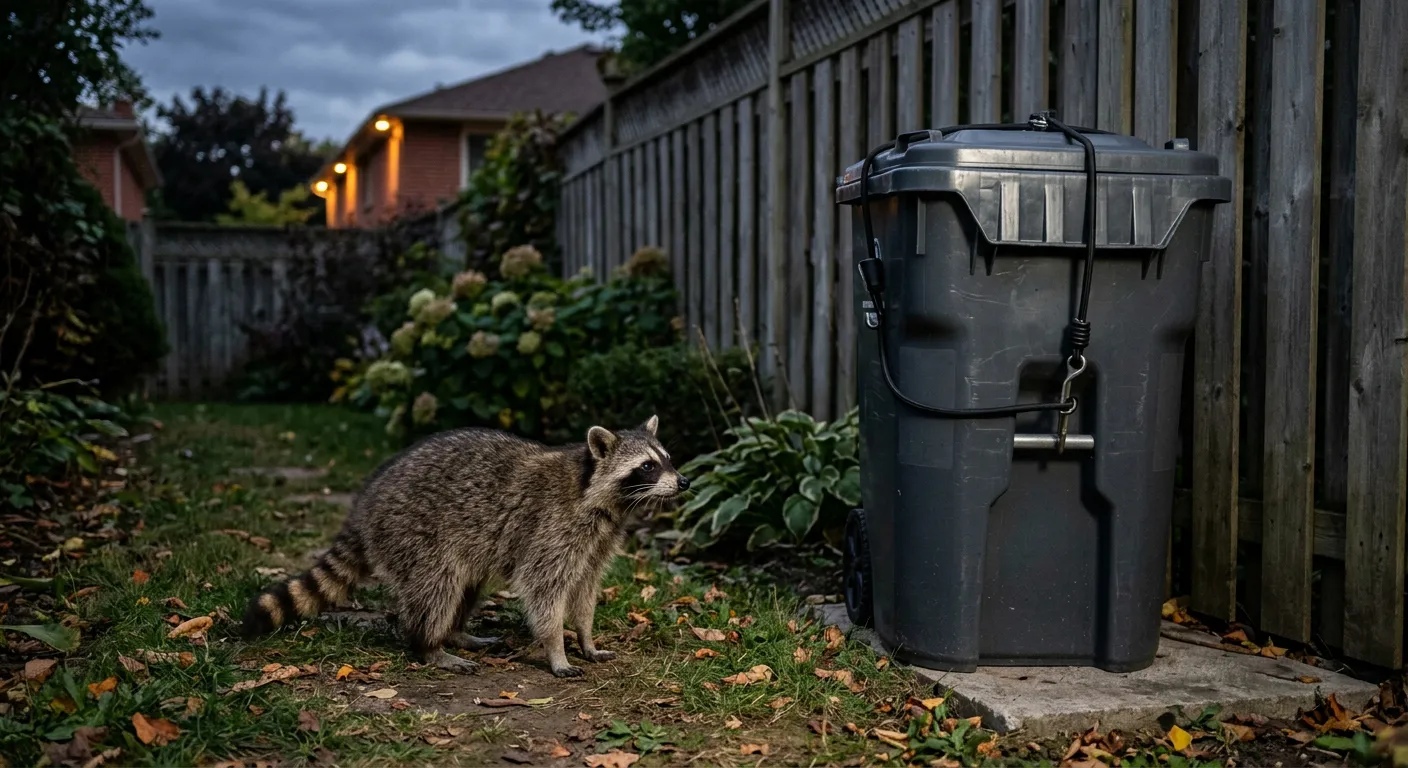
- Secure trash bins with locking lids
- Remove pet food and water at night
- Pick up fallen fruit and clean up bird seed
- Repair loose shingles and damaged fascia promptly
Related Raccoon Removal Topics
The right solution depends on where the raccoon is living and what evidence it has left behind. Compare raccoons in an attic, safe raccoon droppings cleanup, and long-term raccoon prevention before deciding what to do next.
Need Professional Help?
If you are dealing with a raccoon problem, call to connect with a local wildlife professional. See our Raccoon Prevention page for more information.
Frequently Asked Questions
Do ultrasonic raccoon repellents work?
There is little evidence that ultrasonic devices effectively repel raccoons. Raccoons may initially avoid the area but typically return, especially if food and shelter are available. Removal and exclusion are more reliable.
Will ammonia get rid of raccoons in my attic?
Ammonia may irritate raccoons temporarily but is not a reliable solution. It can also pose risks to your household. The effective approach is humane removal followed by sealing entry points.
Do mothballs repel raccoons?
Mothballs are not an effective raccoon repellent and can be hazardous to children, pets, and the environment. They are not recommended for raccoon control.
What is the best way to keep raccoons away?
The most effective approach is humane removal, sealing all entry points with durable materials, and removing attractants like accessible food and water from your property.
Do repellents work if raccoons are already in my attic?
No. Once raccoons have established a den, repellents will not convince them to leave. Call a professional for humane removal and then seal every entry point to prevent return.
Call Now for Raccoon Help
Call to connect with a local wildlife professional who can inspect your home, remove raccoons humanely, and seal entry points.