Raccoons in Your Chimney? Safe Removal & Cap Installation
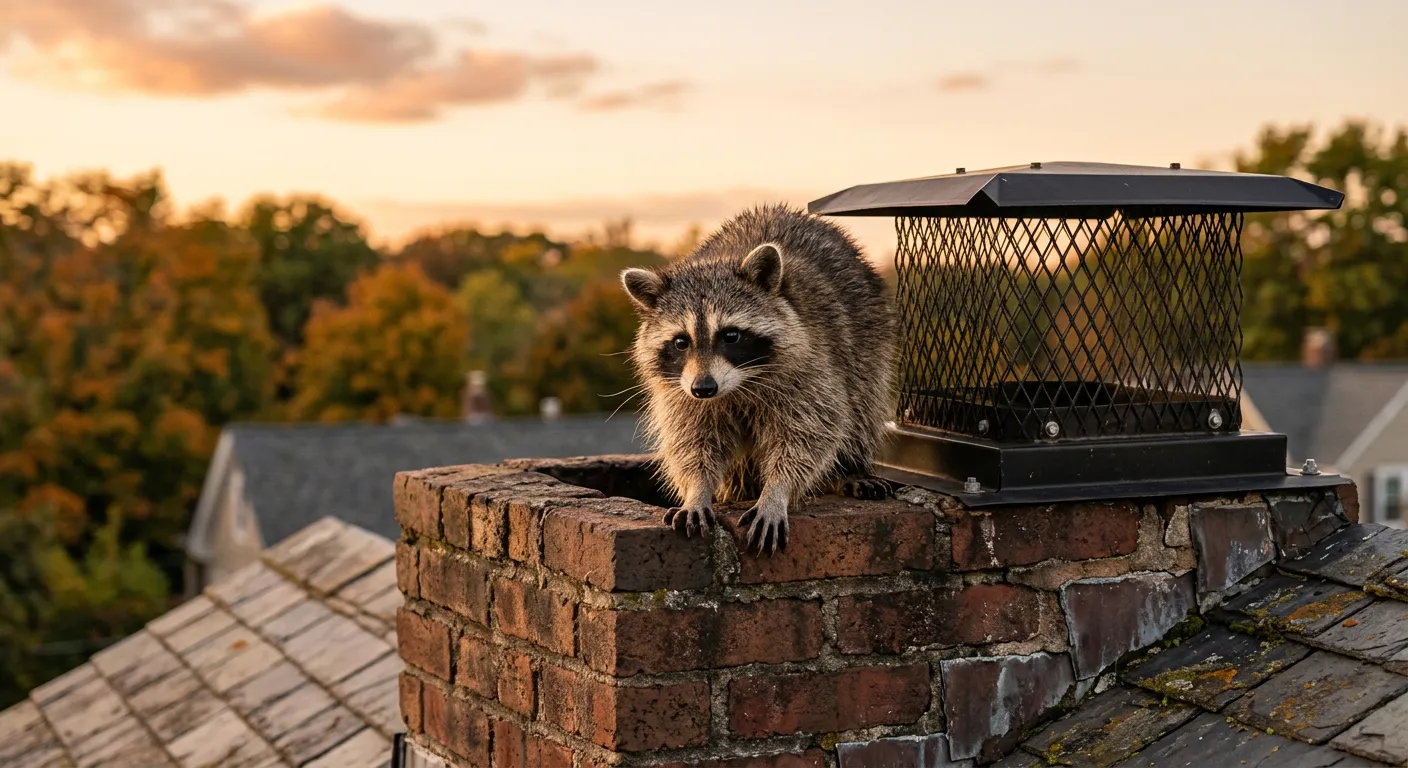
Raccoons treat chimneys like hollow trees, using them as denning sites that are warm, dark, and protected. If you hear sounds in your fireplace or notice debris and soot falling into the firebox, raccoons may be living in your chimney. Call to connect with a local wildlife professional who can remove them safely and install a chimney cap.
What to Know Before You Call
A raccoon problem is easier to solve when the inspection, removal, cleanup, and prevention work together. Note where you hear activity, whether it happens during the day or at night, and any damage you can see without entering an unsafe area. That information helps a local wildlife professional choose the safest next step.
If you are comparing options, review how to get rid of raccoons humanely, learn why entry-point sealing matters, and see the factors that affect removal cost.
Signs of the Problem
Look for these signs if you suspect raccoons:
- Scratching or chittering sounds coming from the fireplace or chimney
- Debris, soot, or nesting material falling into the firebox
- Strong odor coming from the chimney, especially in warm weather
- Damper pushed open or displaced by animal activity
- Visible raccoon on or near the chimney top
- Sounds at night when raccoons are most active
Why Raccoons Choose This Area
Chimneys mimic the hollow trees raccoons naturally den in, making them highly attractive.
Uncapped or damaged chimneys provide easy access from the roof.
Mothers use chimneys as safe, warm spaces to raise young in spring.
Once a raccoon learns a chimney is available, it may return year after year unless capped.
Risks of Leaving Them There
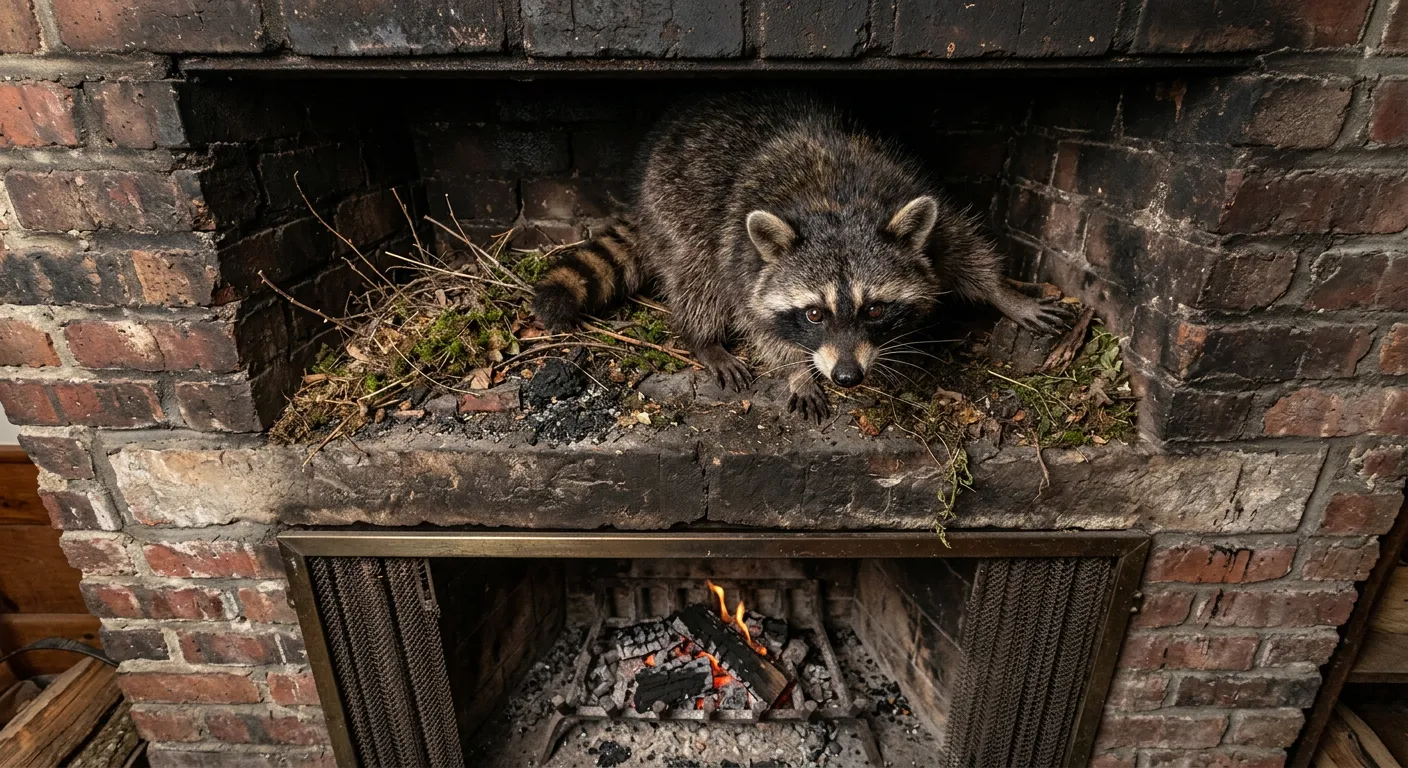
- Raccoons can become trapped if the damper is closed, leading to damage or death inside the chimney
- Droppings and nesting material can create fire hazards and block proper ventilation
- Odors from urine and droppings can penetrate the home, especially in warm weather
- Raccoons can enter the living space through an open damper, creating a dangerous situation
- Health concerns from droppings accumulated in the chimney and firebox
Speak to a Wildlife Pro
Have raccoons in your home? Call to get connected with experienced local wildlife professionals who can help.
How Humane Raccoon Removal Works
A local wildlife professional will follow these steps:
- 1
Inspection
A local wildlife professional inspects the chimney from top to bottom to confirm raccoon presence and identify whether babies are in the flue.
- 2
Removal Plan
The provider plans safe removal based on the situation, considering whether babies are present and the safest approach for your chimney.
- 3
Humane Removal
Raccoons are removed humanely. If babies are present, the provider keeps the family together where possible and legal.
- 4
Cap Installation
A heavy-gauge chimney cap is installed to prevent raccoons and other wildlife from re-entering.
- 5
Cleanup
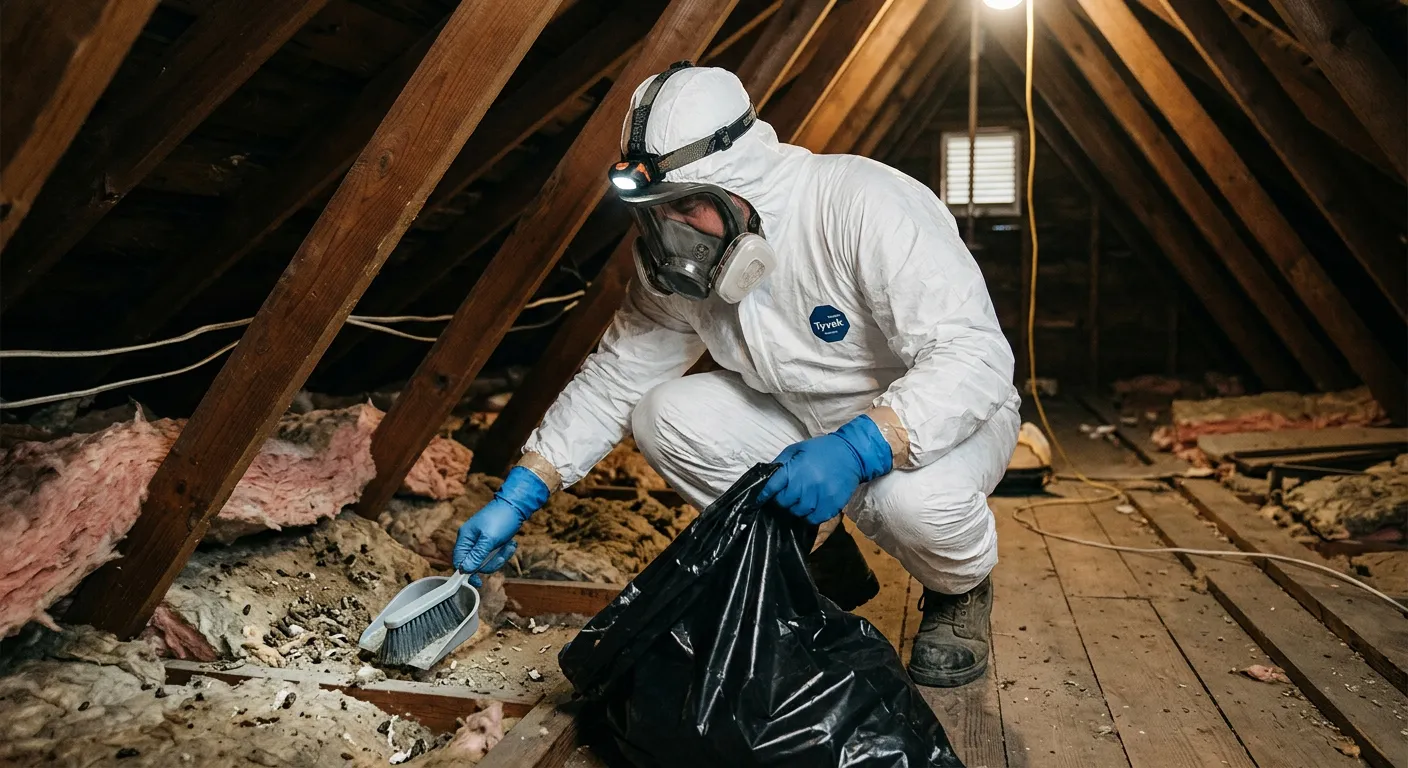
Nesting material and droppings are removed from the chimney and firebox, and the area is cleaned.
- 6
Follow-up
The provider confirms the cap is secure and no new activity is occurring.
What Not to Do
- Never light a fire to smoke out a raccoon, as this can injure or kill the animal and create a dangerous situation in your home
- Do not seal the top of the chimney while animals are inside
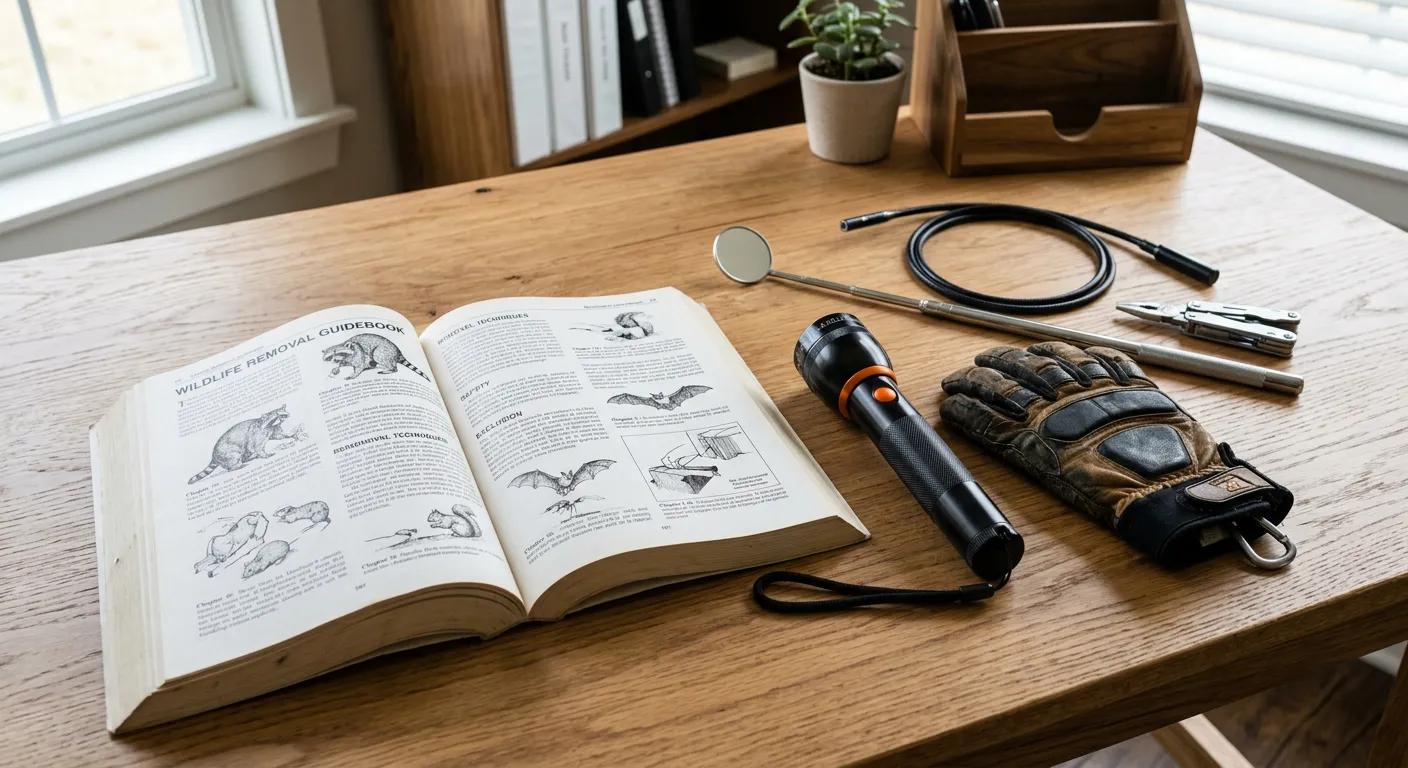
- Do not reach into the chimney or try to grab a raccoon
- Do not close the damper and forget about it, as trapped animals can die and create severe odor and health problems
Plan for Removal and Prevention Together
Removing the visible animal is only one part of protecting a home. A complete plan should account for young, secondary openings, contaminated materials, and the conditions that attracted raccoons in the first place. Depending on the situation, the next helpful step may be attic decontamination, damage repair, or prevention work.
Why Call RaccoonRemovalPros
RaccoonRemovalPros connects you with experienced local wildlife professionals who understand chimney raccoon problems. Call to get connected with a provider who can remove raccoons safely and install a proper chimney cap.
Cities We Serve
We connect homeowners with local wildlife professionals in cities across the US:
Frequently Asked Questions
How do raccoons get down into a chimney?
Raccoons are excellent climbers and can descend head-first into uncapped or damaged chimneys. They treat the flue like a hollow tree and den near the bottom or on the smoke shelf.
Is a raccoon in the chimney dangerous?
Yes. A raccoon in your chimney can enter the living space through an open damper, creating a dangerous situation. Never try to remove it yourself; call a professional for safe, humane removal.
Will the raccoon leave on its own?
Raccoons may leave to forage at night, but they often return, especially if raising young. The only reliable way to prevent return is humane removal followed by chimney cap installation.
Can a chimney cap be installed the same day as removal?
In many cases, a local provider can install a chimney cap on the same visit as removal. Ask the professional you speak with about same-visit cap installation when you call.
What kind of chimney cap do I need?
A heavy-gauge galvanized or stainless steel cap with mesh sides is recommended. The provider you are connected with can recommend the right cap for your chimney and install it properly.
Related Services
Call Now for Raccoon Help
Call to connect with a local wildlife professional who can inspect your home, remove raccoons humanely, and seal entry points.