How to Get Rid of Raccoons: A Complete Guide
If raccoons have moved into your attic, chimney, or under your deck, you are probably wondering how to get rid of them safely and for good. This guide walks through the humane, effective steps, from spotting the signs to understanding when a professional should take over.
How to Use This Raccoon Guide
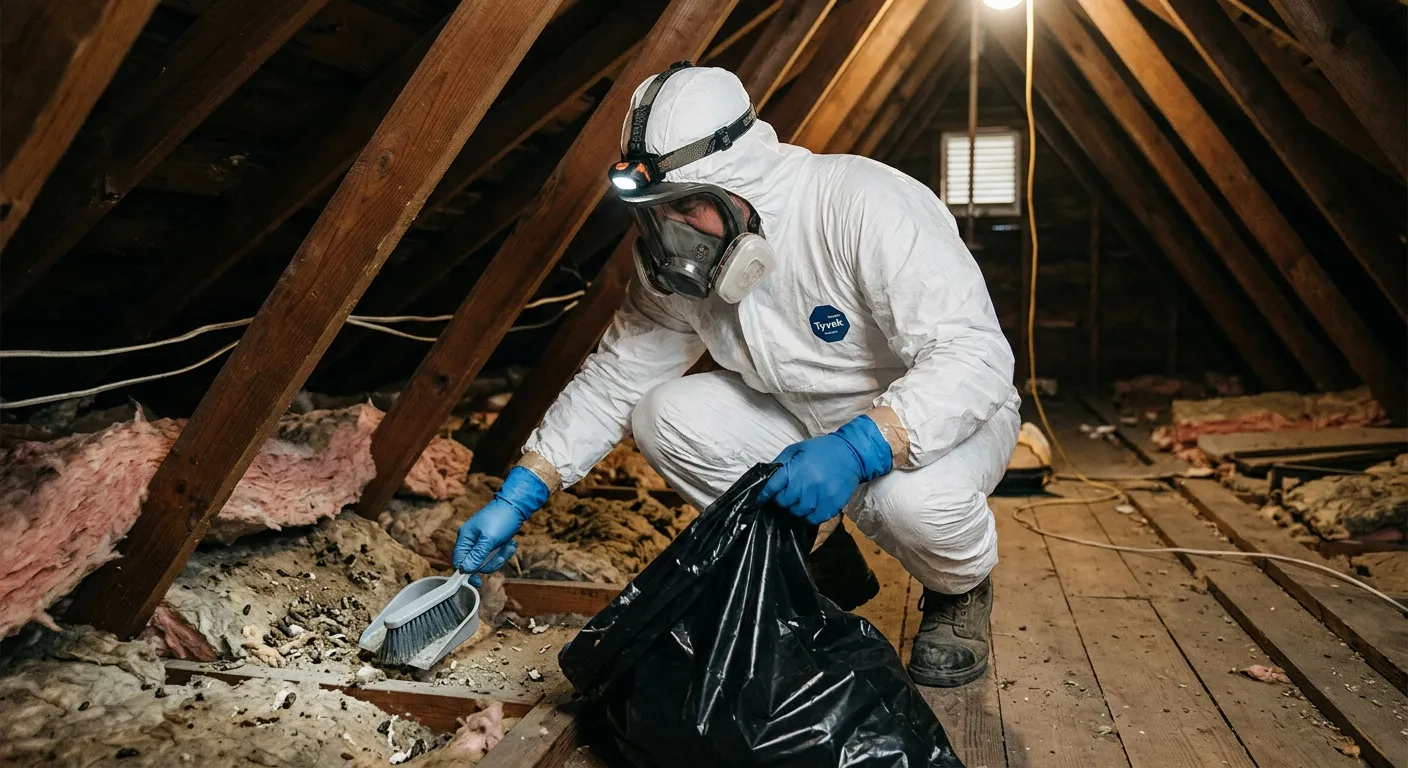
Start with the signs and safety information that match what you are seeing, then follow the recommended next step for your home. Raccoon activity can involve an active den, hidden entry points, contaminated insulation, or a seasonal issue, so solving the immediate problem and preventing a return both matter.
For practical help, learn about raccoon proofing and entry-point sealing, review the raccoon removal cost factors, or call to connect with a local wildlife professional.
Step 1: Confirm You Have Raccoons
Before taking action, confirm that raccoons are actually the problem. Other wildlife, including squirrels, opossums, and rats, can make similar noises and cause similar damage. Raccoons are larger and heavier than most other attic invaders, so their sounds tend to be more like thumping and dragging rather than scurrying.
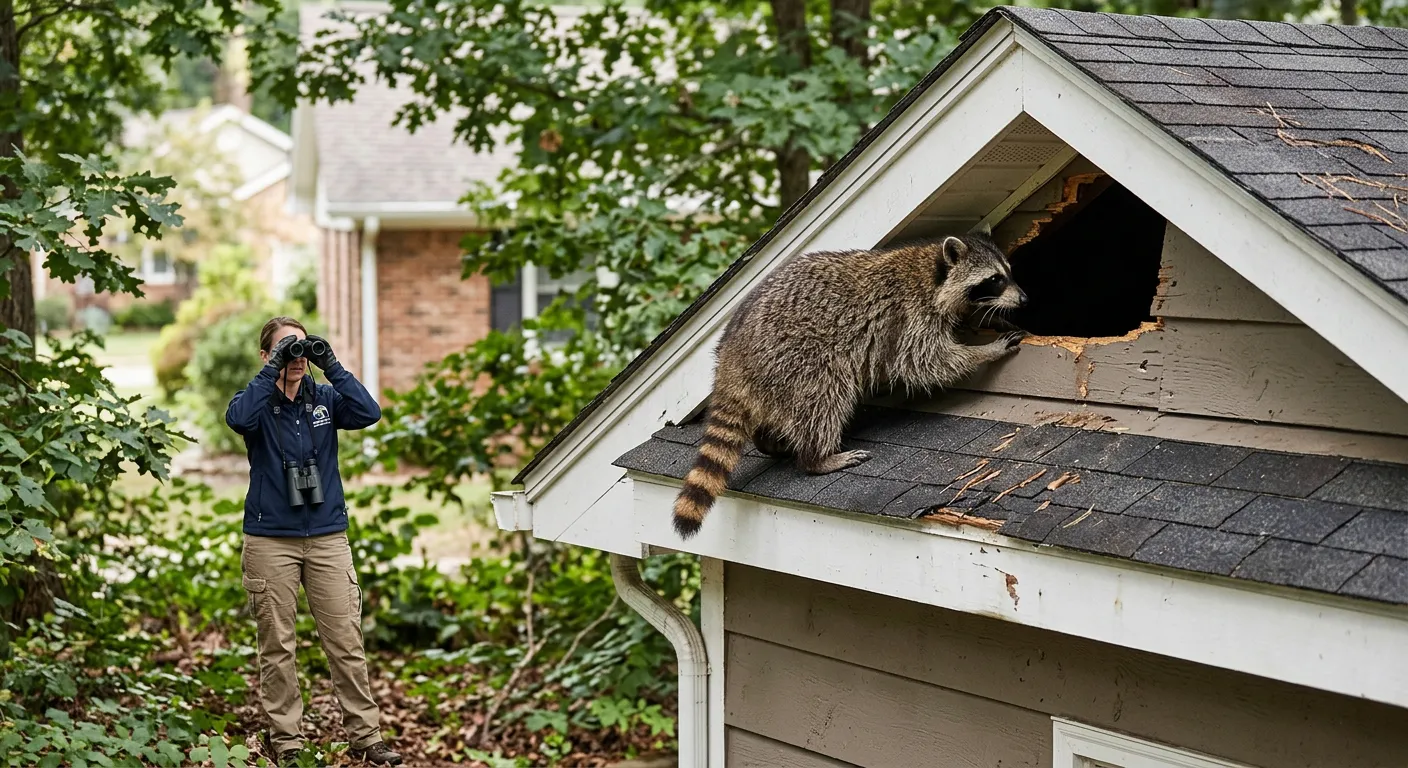
Look for these signs: heavy thumping in the ceiling at night, chittering or purring vocalizations, torn insulation, large droppings concentrated in latrine sites, damaged vents or soffits, and dark grease rub marks on roof edges. If you see a raccoon entering or exiting your home at dusk or dawn, that confirms the problem.
Step 2: Do Not Make These Common Mistakes
Many homeowners try approaches that are ineffective or dangerous. Avoiding these mistakes can save you time and prevent harm to yourself and the animals:
- Do not block the entry hole while animals are inside, as they may cause more damage trying to escape
- Never use poison, which is inhumane, often illegal, and can leave animals to die in your walls
- Do not rely on repellents, lights, or ultrasonic devices as a primary solution
- Do not attempt to handle raccoons or their droppings without protective equipment
- Do not assume raccoons will leave on their own, especially during birthing season
Step 3: Call a Local Wildlife Professional
The most effective and safest way to get rid of raccoons is to call a local wildlife professional. A professional can inspect your home, confirm the number of raccoons and whether babies are present, and plan humane removal that follows your state's regulations. RaccoonRemovalPros is a referral service that connects you with experienced local wildlife professionals.
When you call, be ready to describe what you have heard and seen. The provider will ask about the sounds, where they are coming from, how long they have been happening, and whether you have seen raccoons entering or exiting your home. This helps them plan the inspection and removal efficiently.
Step 4: Have Entry Points Sealed
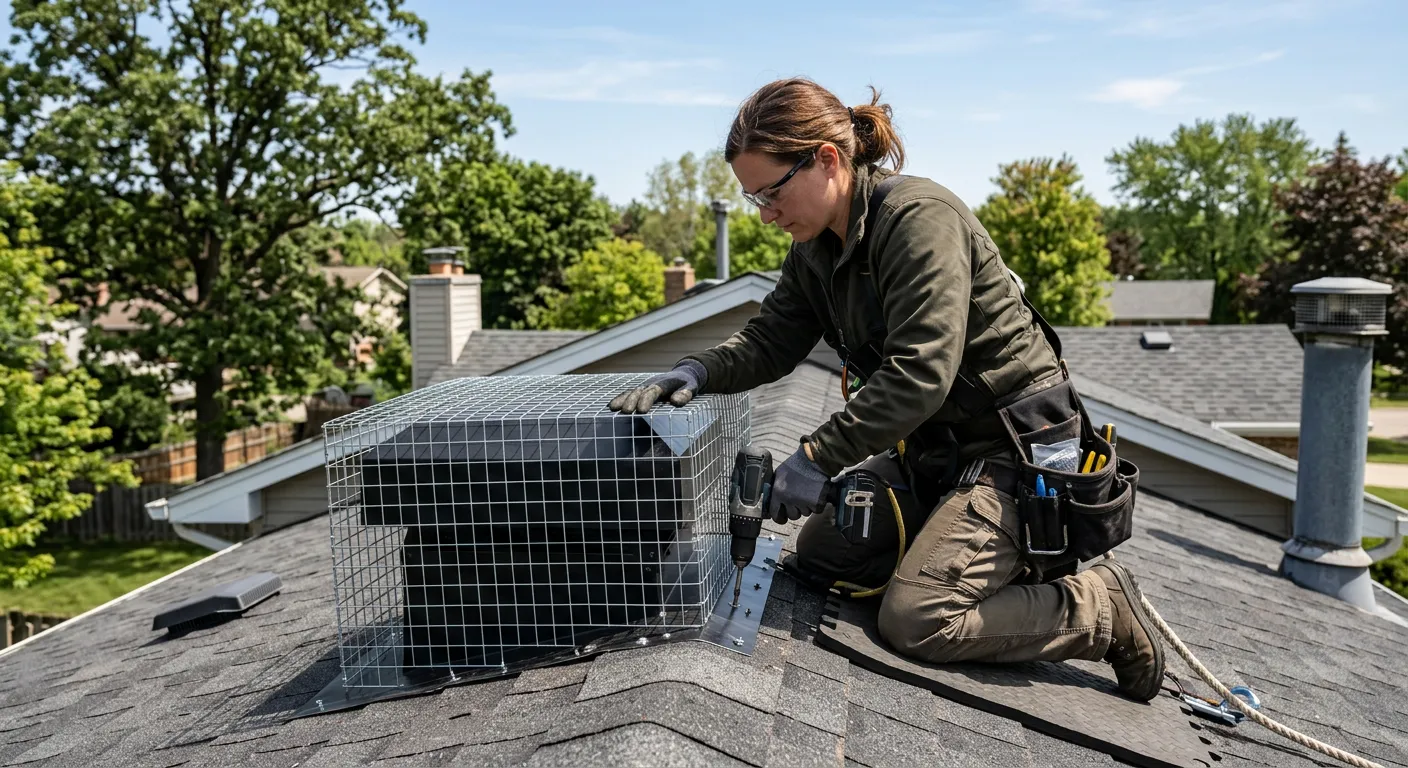
Removing raccoons without sealing entry points is only a temporary fix. The next raccoon will find the same opening and move right back in. After removal, every entry point on your roof and walls should be sealed with durable materials like heavy-gauge galvanized steel mesh, flashing, vent guards, and chimney caps.
A professional can identify all current and potential entry points, not just the obvious one. Raccoons can fit through openings as small as four inches, so even small gaps near your roofline should be addressed.
Step 5: Remove Attractants and Prevent Return
After removal and sealing, take steps to make your property less appealing to raccoons. Prevention is more effective and less expensive than repeated removal.
- Trim tree branches at least six feet back from your roofline
- Secure trash bins with locking lids
- Remove pet food and water bowls at night
- Pick up fallen fruit from trees regularly
- Repair loose shingles and damaged fascia promptly
- Keep bird feeders out of raccoon reach or remove them temporarily
Related Raccoon Removal Topics
The right solution depends on where the raccoon is living and what evidence it has left behind. Compare raccoons in an attic, safe raccoon droppings cleanup, and long-term raccoon prevention before deciding what to do next.
Need Professional Help?
If you are dealing with a raccoon problem, call to connect with a local wildlife professional. See our Raccoons in Attic page for more information.
Frequently Asked Questions
How long does it take to get rid of raccoons?
Removal time depends on the number of animals, whether babies are present, and how many entry points need sealing. A local professional can give you an estimated timeline after inspecting your home.
Can I get rid of raccoons without killing them?
Yes. Humane removal uses cage traps and exclusion methods that do not harm the animals. The local professionals we connect you with use humane, lawful methods that comply with state regulations.
Do mothballs or ammonia get rid of raccoons?
Mothballs and ammonia are not reliable raccoon repellents. They may irritate raccoons temporarily but will not solve the problem. Sealing entry points after humane removal is the effective solution.
Will raccoons come back after removal?
If entry points are properly sealed with durable materials, raccoons should not be able to return. However, new openings can form over time or after storms, so periodic roof inspections are recommended.
How much does it cost to get rid of raccoons?
Cost depends on the number of animals, entry points, babies, and cleanup scope. Call to discuss your specific situation with a local provider for accurate pricing.
Call Now for Raccoon Help
Call to connect with a local wildlife professional who can inspect your home, remove raccoons humanely, and seal entry points.