Raccoon Droppings Identification: Size, Shape & Dangers
Raccoon droppings are one of the clearest signs of a raccoon problem, but identifying them correctly and handling them safely matters. This guide covers what raccoon droppings look like, where to find them, and why you should never touch them without protection.
How to Use This Raccoon Guide
Start with the signs and safety information that match what you are seeing, then follow the recommended next step for your home. Raccoon activity can involve an active den, hidden entry points, contaminated insulation, or a seasonal issue, so solving the immediate problem and preventing a return both matter.
For practical help, learn about raccoon proofing and entry-point sealing, review the raccoon removal cost factors, or call to connect with a local wildlife professional.
What Raccoon Droppings Look Like
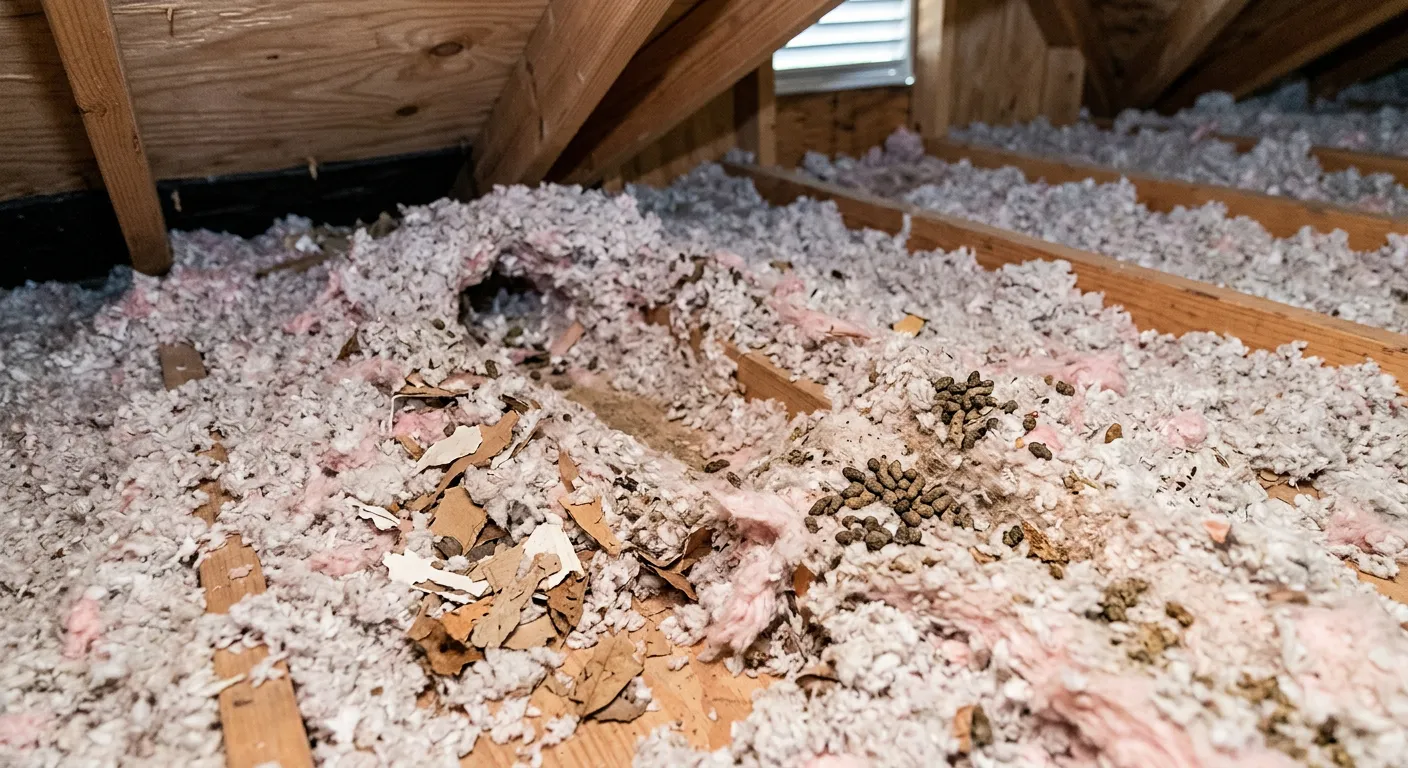
Raccoon droppings are typically tube-shaped, about the diameter of a small finger, and two to three inches long. They are often dark brown or black and may contain visible undigested material like seeds, berry skins, or insect parts. The texture can vary from crumbly to sticky depending on the raccoon's diet.
A key characteristic of raccoon droppings is that they tend to be deposited in latrine sites, meaning the raccoon uses the same spot repeatedly. If you find a concentrated pile of droppings in your attic or near an entry point, that is a strong sign of raccoon activity.
Where Raccoons Leave Droppings
Raccoons create latrine sites in specific locations. In attics, droppings are often found on top of insulation or on exposed plywood near the den site. Outside the home, raccoons may use the base of trees, on roofs near entry points, or in piles near deck or shed openings.
If you find a latrine site in your attic, the surrounding insulation and wood may be contaminated. This contamination should be cleaned by a professional with proper protective equipment, as raccoon droppings can carry parasites.
Health Risks of Raccoon Droppings
Raccoon droppings can contain raccoon roundworm eggs, which are resistant to common disinfectants and can persist in the environment for years. The eggs can become airborne when dry droppings are disturbed, making cleanup hazardous without proper protective equipment.
Consult public-health guidance, such as CDC resources, for information on safe raccoon droppings cleanup. Never sweep or vacuum dry racppon droppings, as this can release particles into the air. Always use proper protective gear, including respirators and gloves, when handling or cleaning raccoon waste.
Safe Cleanup of Raccoon Droppings
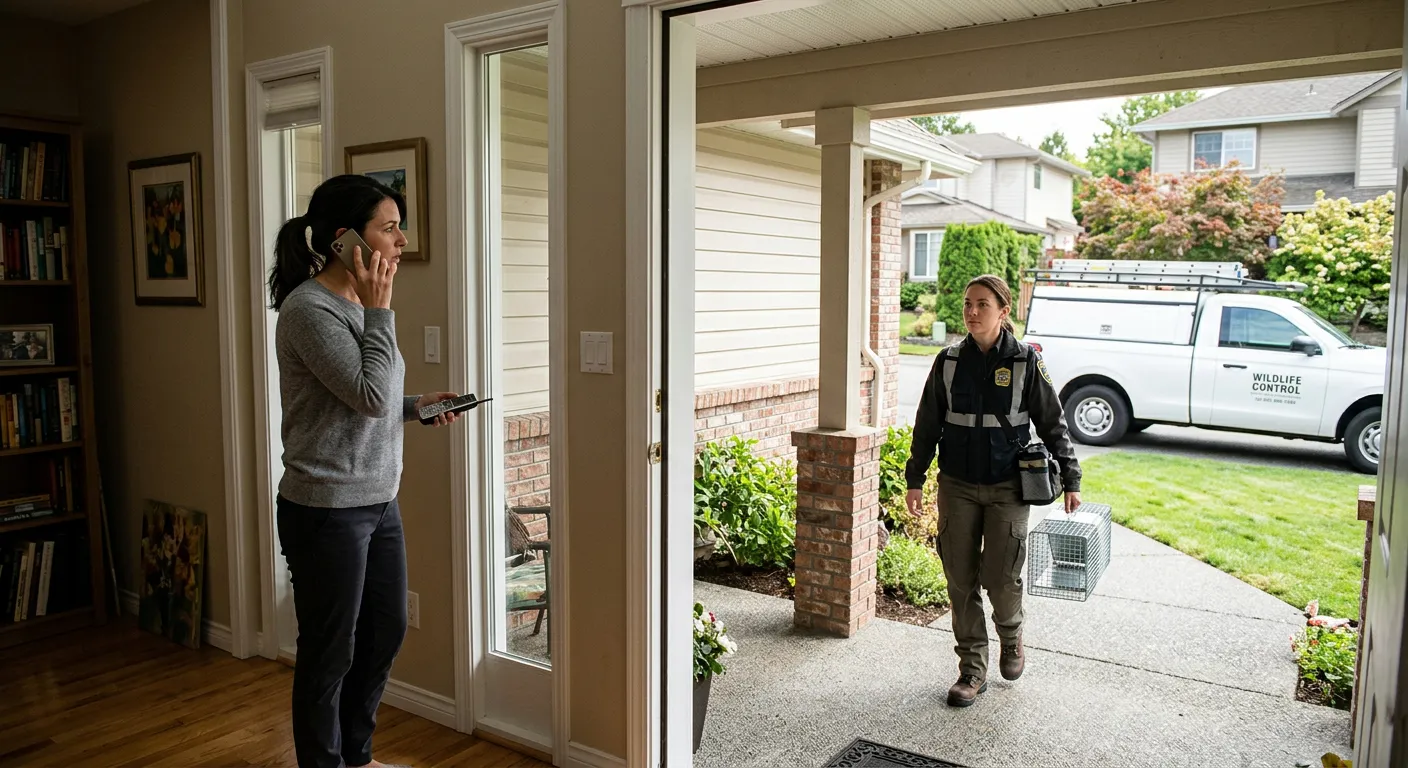
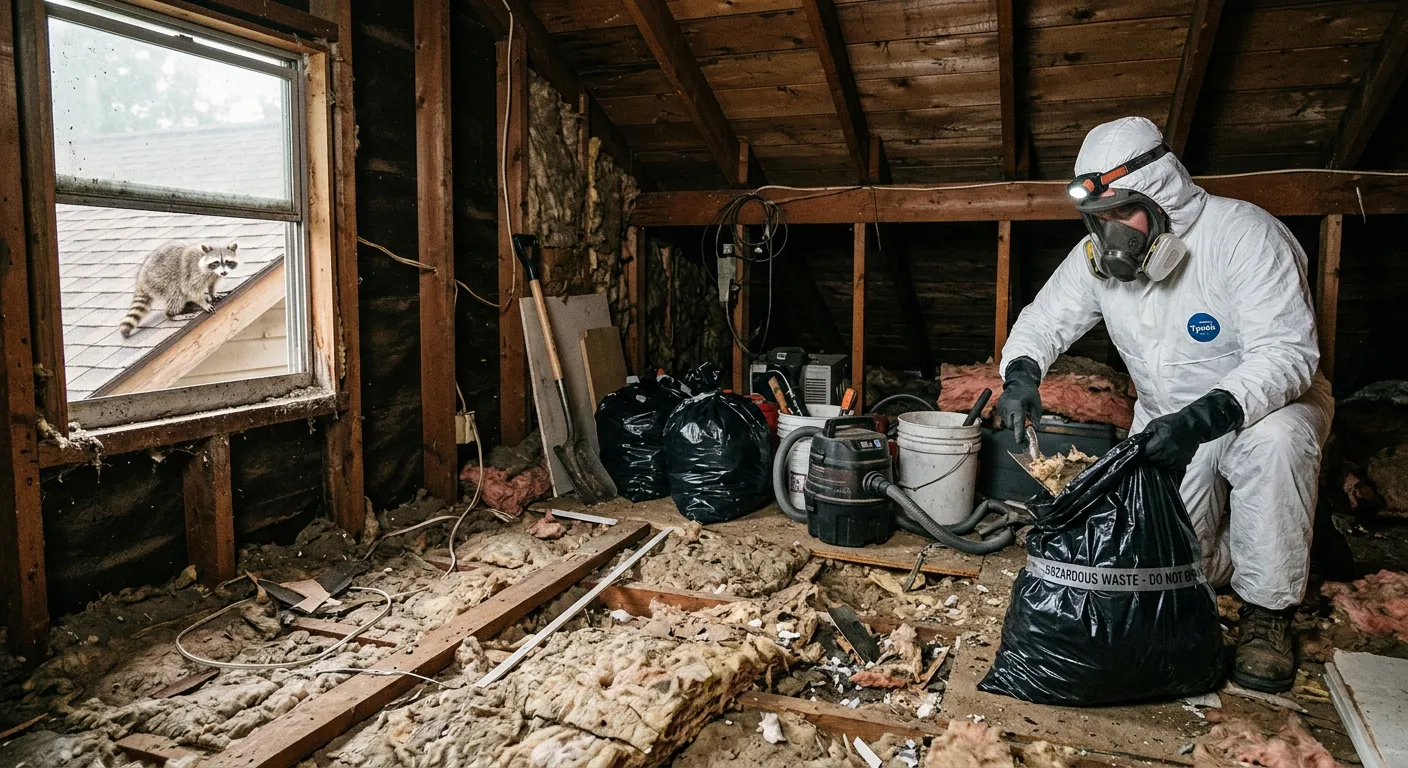
Because of the health risks, raccoon droppings cleanup should be handled by a professional whenever possible. A professional will use proper protective equipment, remove droppings without creating airborne dust, disinfect the area, remove contaminated insulation, and dispose of waste lawfully.
If you must clean up a small amount of droppings yourself, wear a respirator, disposable gloves, and protective clothing. Moisten the droppings with a disinfectant solution before removing them to prevent particles from becoming airborne. Double-bag the waste and dispose of it according to local regulations. Consult public-health guidance for detailed instructions.
Related Raccoon Removal Topics
The right solution depends on where the raccoon is living and what evidence it has left behind. Compare raccoons in an attic, safe raccoon droppings cleanup, and long-term raccoon prevention before deciding what to do next.
Need Professional Help?
If you are dealing with a raccoon problem, call to connect with a local wildlife professional. See our Raccoon Poop Cleanup page for more information.
Frequently Asked Questions
How can I tell raccoon droppings from dog poop?
Raccoon droppings are typically tube-shaped, two to three inches long, and often contain visible undigested material like seeds or berry skins. Dog droppings are usually smoother and more uniform. Raccoon droppings also tend to be in latrine sites, not scattered randomly.
Can I get sick from raccoon droppings?
Raccoon droppings can carry parasites, including raccoon roundworm eggs. Consult public-health guidance, such as CDC resources, for information on risks and safe cleanup. Never handle droppings without protective equipment.
Why should I not sweep or vacuum raccoon droppings?
Sweeping or vacuuming dry droppings can release particles and eggs into the air, where they can be inhaled. Always moisten droppings with a disinfectant solution before removal and use proper protective equipment.
What should I do if I find raccoon droppings in my attic?
Call a local wildlife professional. The droppings should be removed safely, the area disinfected, contaminated insulation replaced, and the raccoons removed and entry points sealed to prevent recontamination.
How long do raccoon roundworm eggs survive?
Raccoon roundworm eggs are resistant to common disinfectants and can persist in the environment for years under the right conditions. This is why professional cleanup of raccoon latrine sites is recommended. Consult public-health guidance for details.
Call Now for Raccoon Help
Call to connect with a local wildlife professional who can inspect your home, remove raccoons humanely, and seal entry points.