Raccoon Noises: What Do Raccoons Sound Like?
Hearing strange noises in your ceiling or walls at night is one of the first signs of a raccoon problem. This guide helps you identify raccoon sounds, distinguish them from squirrels and rats, and understand what each noise means so you know when to call a professional.
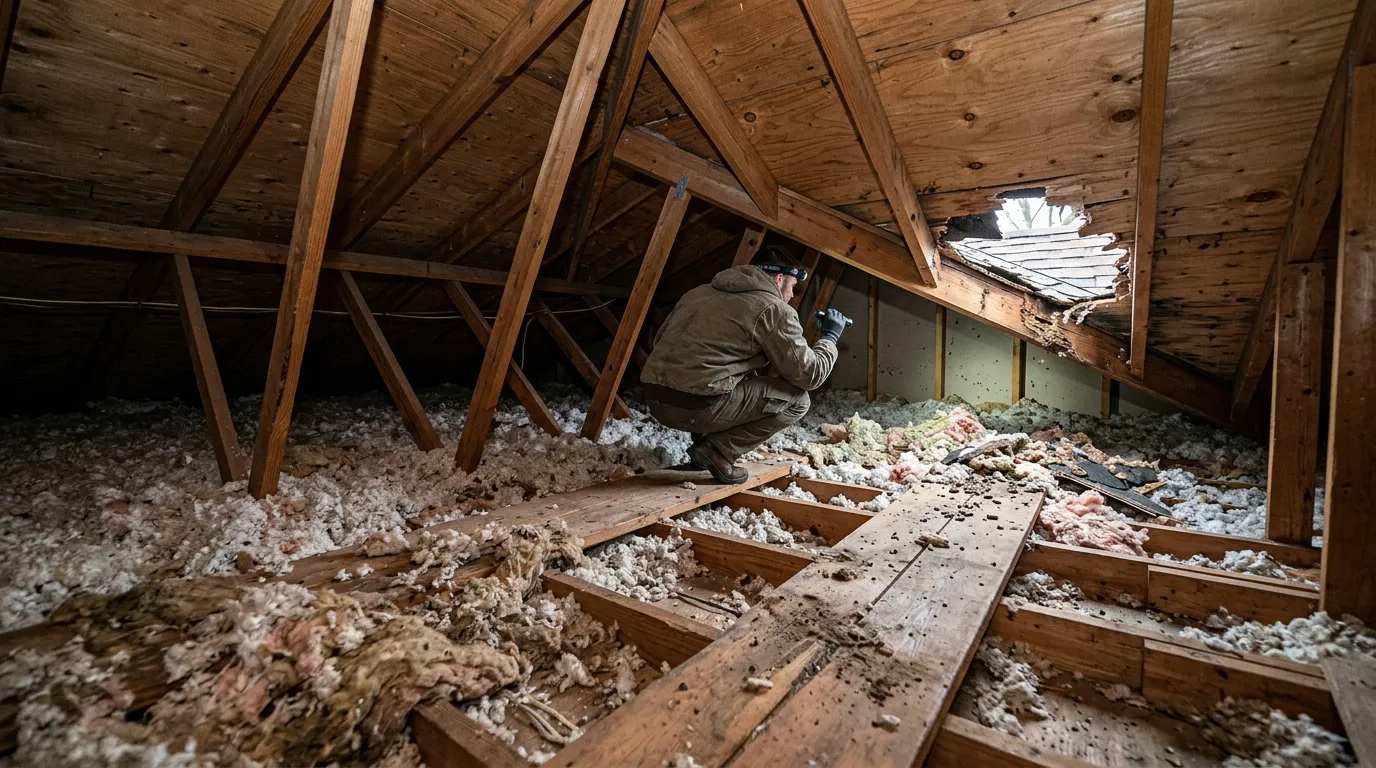
How to Use This Raccoon Guide
Start with the signs and safety information that match what you are seeing, then follow the recommended next step for your home. Raccoon activity can involve an active den, hidden entry points, contaminated insulation, or a seasonal issue, so solving the immediate problem and preventing a return both matter.
For practical help, learn about raccoon proofing and entry-point sealing, review the raccoon removal cost factors, or call to connect with a local wildlife professional.
Common Raccoon Sounds
Raccoons are nocturnal, so most of their activity happens at night. The sounds they make depend on what they are doing and whether babies are present. The most common raccoon sounds include heavy thumping from walking or running across the attic floor, dragging sounds as they move nesting material, chittering and chattering vocalizations, purring sounds often associated with contentment or nursing, and whining or crying from babies.
Unlike squirrels, which produce light, fast scurrying sounds, raccoons are large enough that their movements create noticeable thumping. If the sounds in your ceiling feel heavy rather than light, raccoons are a likely culprit.
Raccoon vs Squirrel vs Rat Sounds
Telling different animals apart by sound is possible once you know what to listen for:
- Raccoons: heavy thumping, dragging, chittering, and purring. Sounds are concentrated and happen mostly at night.
- Squirrels: light scurrying, scratching, and rolling sounds. Activity peaks at dawn and dusk.
- Rats: light scratching, gnawing, and squeaking. Sounds are intermittent and often in walls rather than the ceiling.
- Opossums: heavy shuffling and dragging sounds, similar to raccoons but slower. Less vocal than raccoons.

When Raccoon Noises Mean Babies
During birthing season, typically in early spring, raccoon noises change. A mother raccoon with babies may be quieter during the day but vocal at night. Whining, crying, and purring sounds concentrated in one area often indicate a den with young. Chittering sounds are common between a mother and her babies.
If you hear these sounds, do not attempt to investigate or remove the animals yourself. A mother raccoon with babies is protective and can be aggressive. Call a professional who can assess the situation and plan humane removal that keeps the family together where possible and legal.
What to Do When You Hear Raccoon Noises
If you hear sounds that match raccoon activity, the next step is to call a local wildlife professional. Do not block the entry while animals are inside, do not use poison or repellents, and do not attempt to remove raccoons yourself, especially if babies may be present.
A professional can inspect your attic to confirm the source of the sounds, identify entry points, and plan humane removal followed by sealing. RaccoonRemovalPros connects you with experienced local wildlife professionals who can help.
Related Raccoon Removal Topics
The right solution depends on where the raccoon is living and what evidence it has left behind. Compare raccoons in an attic, safe raccoon droppings cleanup, and long-term raccoon prevention before deciding what to do next.
Need Professional Help?
If you are dealing with a raccoon problem, call to connect with a local wildlife professional. See our Raccoons in Attic page for more information.
Frequently Asked Questions
Do raccoons make noise during the day?
Raccoons are primarily nocturnal, but a mother with babies may be active during the day. If you hear sounds during daylight hours, especially in spring, babies may be present and a professional should assess the situation.
How can I tell raccoon sounds from squirrel sounds?
Raccoons create heavy thumping and dragging sounds, while squirrels produce light, fast scurrying and scratching. Raccoons also vocalize with chittering and purring, which squirrels do not typically do.
What does raccoon purring mean?
Purring in raccoons is often associated with contentment or nursing. If you hear purring sounds in your attic, it may indicate a mother raccoon with babies in a den site.
Should I be worried about raccoon noises in my walls?
Raccoons can sometimes enter wall spaces. If you hear sounds in the walls rather than the ceiling, call a professional immediately. Raccoons trapped in walls can cause damage and may be difficult to remove without professional help.
Will raccoon noises stop on their own?
Raccoons rarely leave on their own once they have established a den, especially during birthing season. The most effective solution is humane removal followed by sealing entry points. Call a professional to assess.
Call Now for Raccoon Help
Call to connect with a local wildlife professional who can inspect your home, remove raccoons humanely, and seal entry points.