Raccoon Removal Austin, TX
Raccoon removal Austin, TX homeowners can trust starts with one call. Austin's greenbelts and creek corridors put raccoon habitat directly beside neighborhoods from Hyde Park to Circle C, and newer builds near wooded land face raccoon entry from day one. We connect you with local wildlife professionals who know Austin's terrain.
A Practical Raccoon Removal Plan for Austin
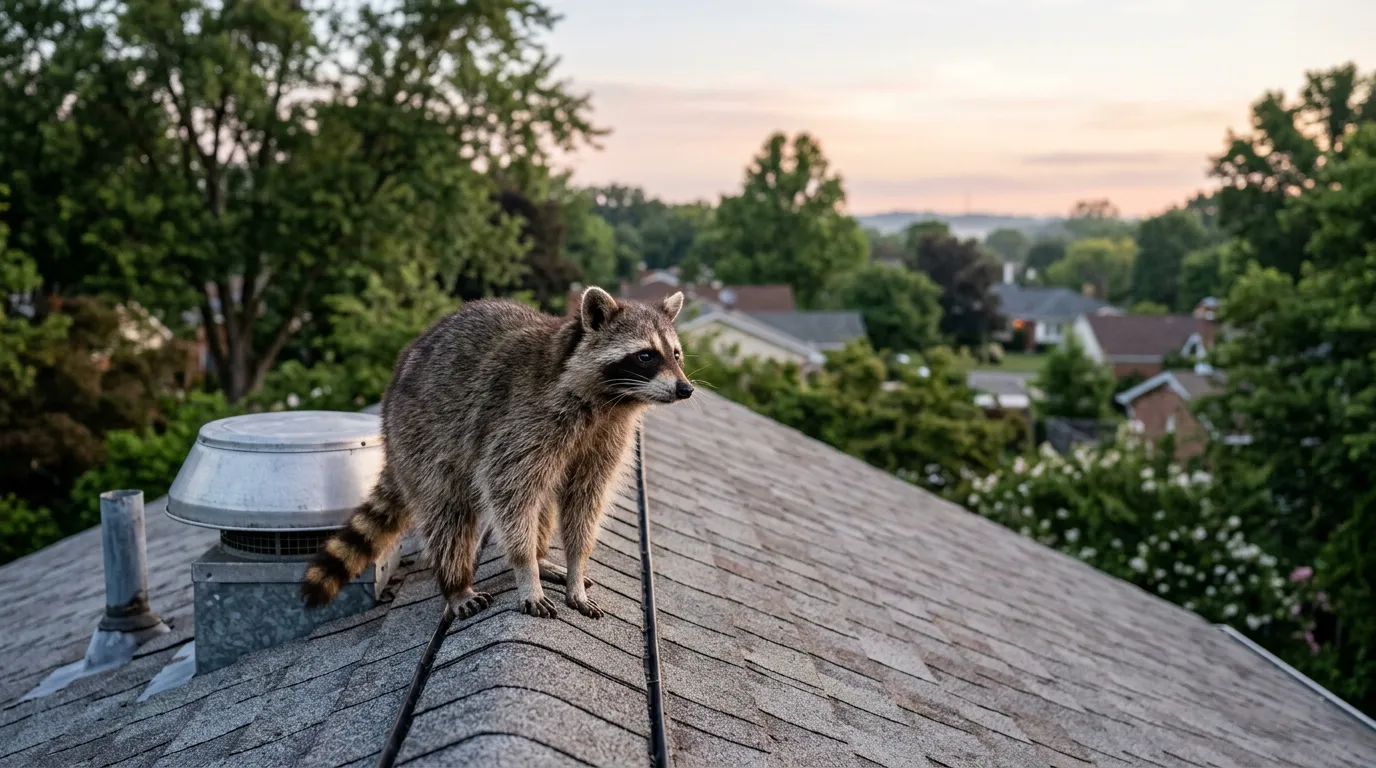
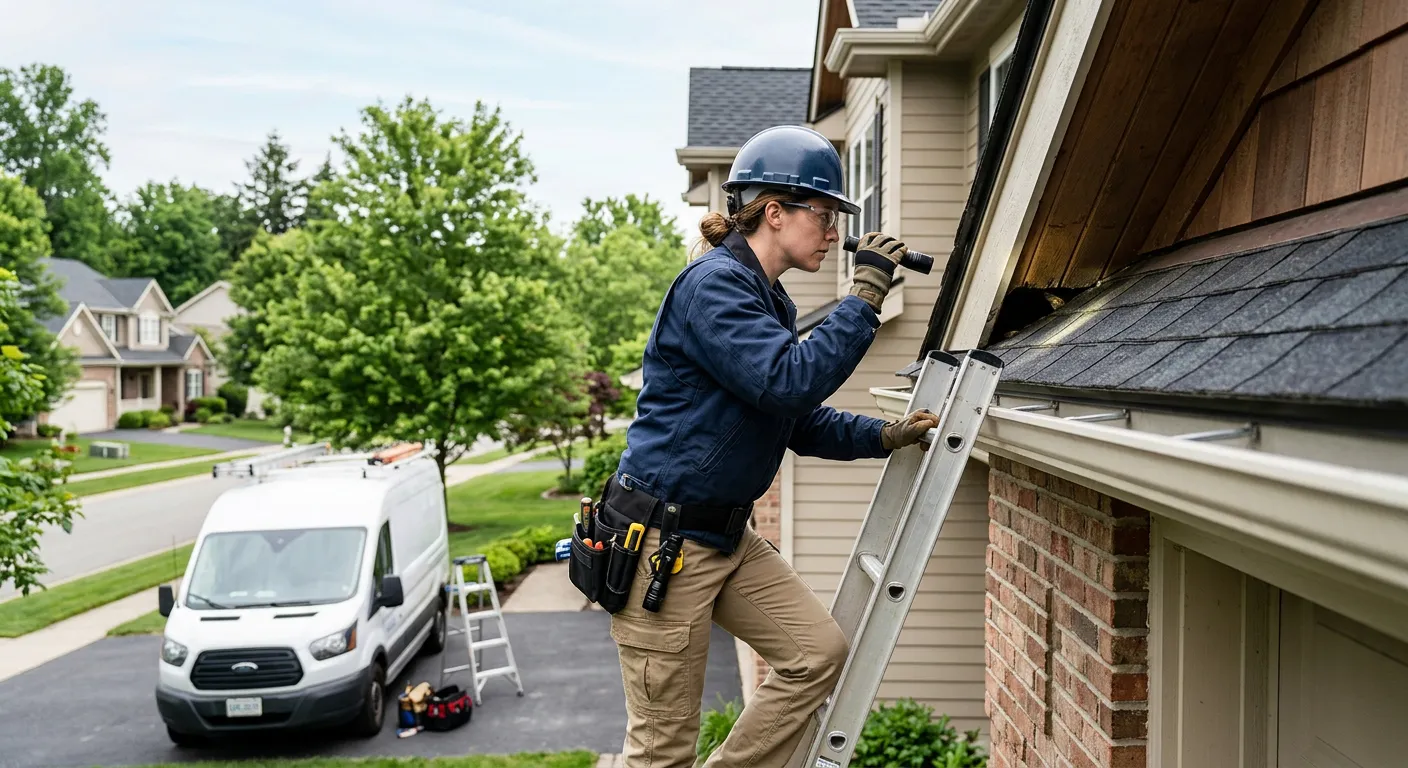
Raccoon problems in Austin homes are easier to resolve when the provider looks beyond the first hole or noise. A careful inspection should identify the active den, check for young, look for damage, and review nearby food or shelter attractants. That creates a safer plan for removal and reduces the chance of another raccoon using the same opening.
Learn more about raccoons in attics, raccoon proofing, and prevention steps before you call.
Raccoon Problems Local Pros Handle in Austin
Local wildlife professionals in Austin handle all types of raccoon problems:
Why Austin Has Raccoon Problems
Austin is a city built into its landscape. Barton Creek, the Greenbelt and Shoal Creek run through central neighborhoods, carrying raccoons from wild corridors into backyards. Older areas like Hyde Park have century-old bungalows with worn soffits and vents. Newer developments like Circle C and Mueller were built on recently cleared land, so raccoon territory and human housing still overlap heavily.
Where Raccoons Show Up Around Austin
Hyde Park and Travis Heights report attic entries through aging vents and soffits. Barton Hills and Zilker, near the greenbelt, see raccoons in chimneys and under decks. Circle C and Mueller, built next to wooded or reclaimed land, report frequent attic and crawlspace denning.
Common Entry Points on Austin Homes
Austin homes commonly see entry through aging gable vents on bungalows, uncapped chimneys on mid-century homes, gaps where newer builds meet settled framing, and deck or crawlspace openings in greenbelt-adjacent properties.
Speak to a Wildlife Pro
Have raccoons in your home? Call to get connected with experienced local wildlife professionals who can help.
How Raccoon Removal Works in Austin
- 1
Call
Call to connect with a local wildlife professional who serves Austin and the surrounding area.
- 2
Inspection
The provider inspects your home to identify entry points and confirm raccoon activity.
- 3
Humane Removal
Raccoons are removed using humane, lawful methods that comply with Texas regulations.
- 4
Sealing
Every entry point is sealed with durable materials to prevent raccoons from returning.
- 5
Cleanup
If needed, droppings and contaminated insulation are safely removed and the area is disinfected.
What to Document Before Calling in Austin
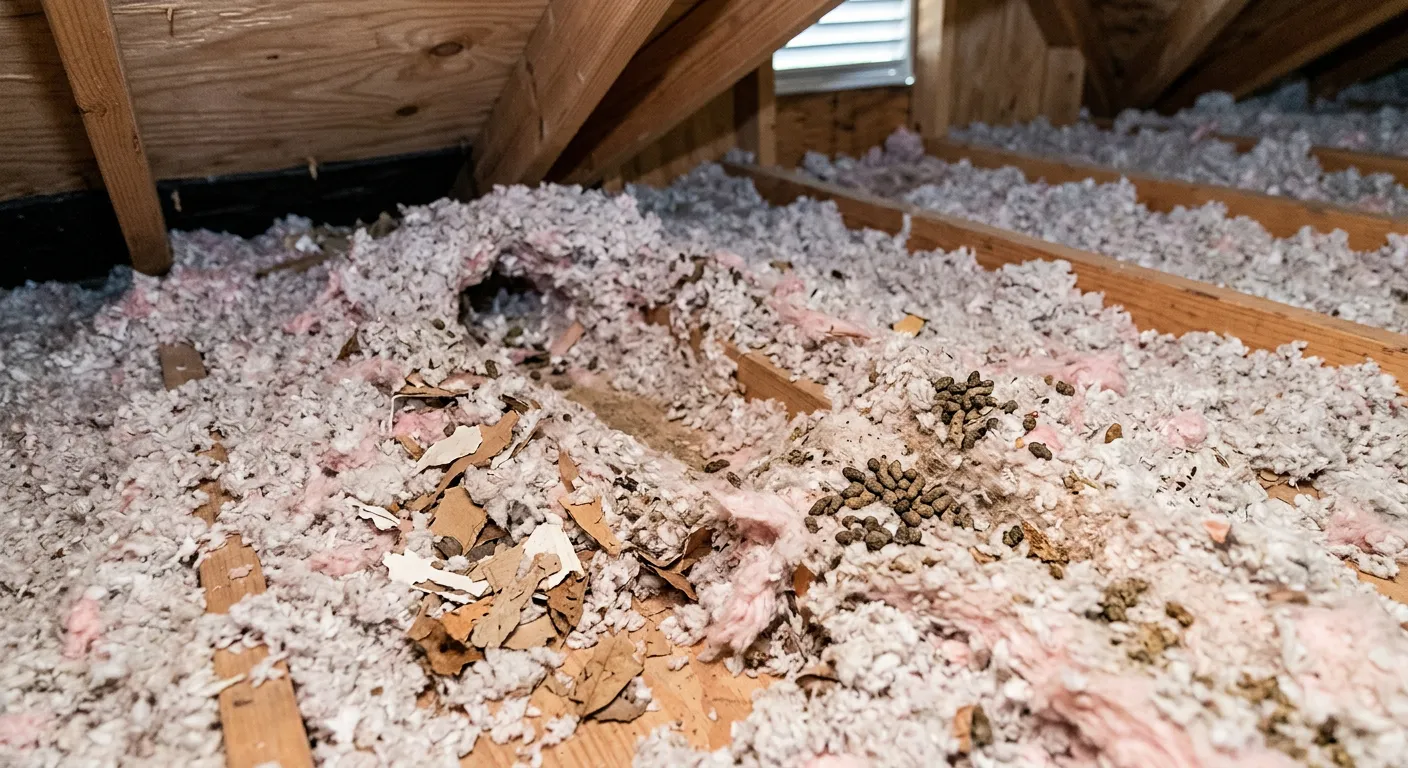
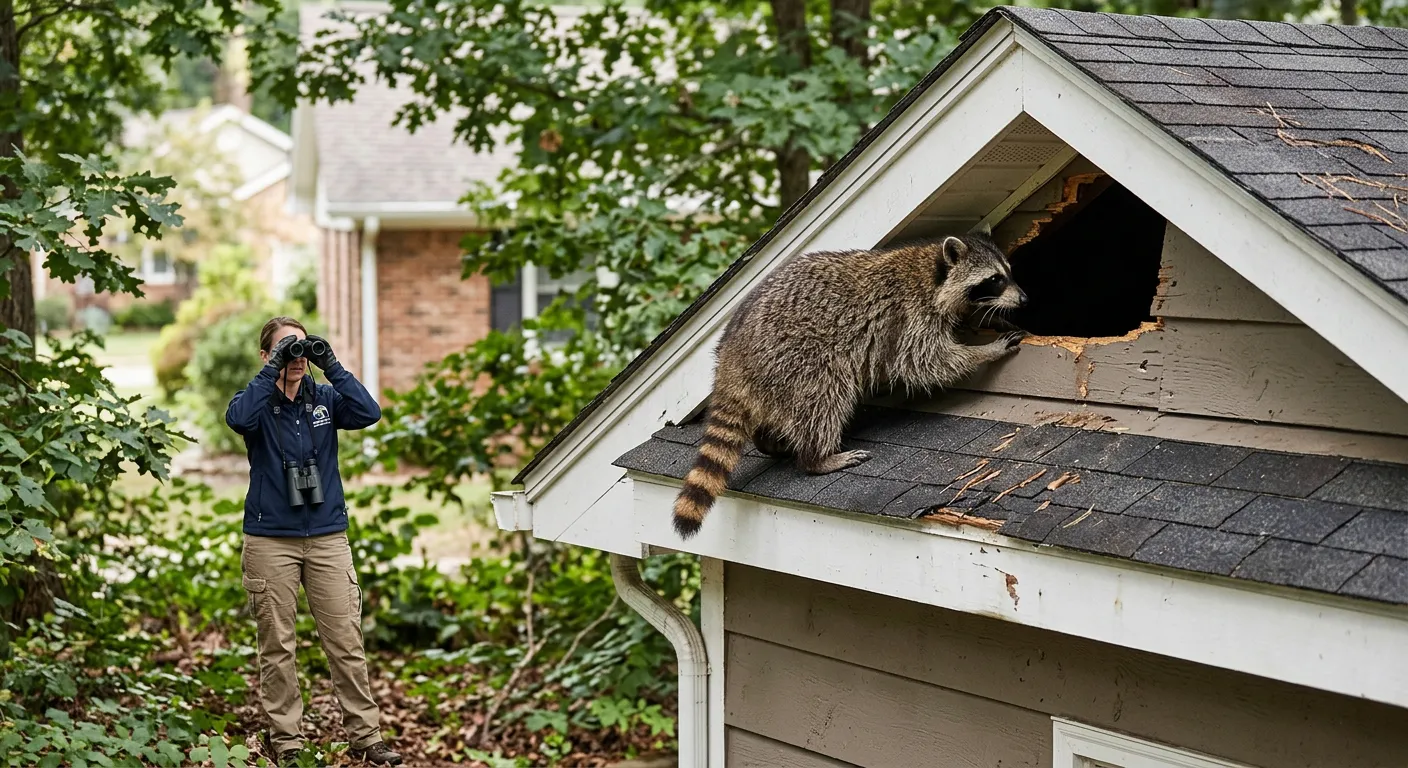
If it is safe to do so, note the time of day you hear activity, the exact room or roof area involved, visible entry damage, and any signs of droppings or nesting. Do not climb onto the roof or approach a raccoon. Sharing these details can help the local provider prepare for an inspection and explain whether humane trapping, exclusion, cleanup, or repair may be needed.
Rules and Regulations in Texas
Texas regulates raccoon trapping and relocation. Austin homeowners should verify current requirements with Texas Parks and Wildlife before any removal begins.
Raccoon Removal Cost in Austin
Raccoon removal cost in Austin depends on the number of animals, entry points, whether babies are present, and cleanup scope. Rather than relying on generic estimates, call to discuss your specific situation with a local provider. See our raccoon removal cost guide for more information.
Why Austin Homeowners Call RaccoonRemovalPros
Austin homeowners call RaccoonRemovalPros to connect with local wildlife professionals who understand greenbelt-adjacent housing and can respond to raccoon problems promptly.
Austin Raccoon FAQ
Why do Austin homes near the greenbelt get raccoons?
The Greenbelt and creek corridors provide raccoons with food, water and travel routes. Homes backing up to these areas are first in line when raccoons look for denning sites, especially in spring.
Do newer Austin builds like Mueller get raccoons?
Yes. Homes built on recently cleared land sit next to established raccoon territory. Open vents and unfinished attic details are common entry points in the first years after construction.
Are raccoons in Austin attics dangerous?
Raccoons in an attic can damage insulation, wiring and ductwork, and their droppings can pose health concerns. They should be removed promptly by a professional and the area cleaned and sealed.
How do raccoons get from the creek to my Austin roof?
Austin's mature trees form a canopy raccoons use as highways. Overhanging branches give them direct access to roofs, where they find vents and soffits to pry open.
What should I do if I hear raccoons in my Austin attic at night?
Call to connect with a local wildlife professional. Do not block the entry while animals are inside, and do not attempt to remove them yourself, especially if babies may be present.
Other Areas We Serve
Call Now for Raccoon Help
Call to connect with a local wildlife professional who can inspect your home, remove raccoons humanely, and seal entry points.