DIY vs Professional Raccoon Removal: Which Is Right?
When raccoons move in, your first thought might be to handle the problem yourself. This guide compares DIY raccoon removal with professional help so you can make an informed decision based on the real risks and requirements.
How to Use This Raccoon Guide
Start with the signs and safety information that match what you are seeing, then follow the recommended next step for your home. Raccoon activity can involve an active den, hidden entry points, contaminated insulation, or a seasonal issue, so solving the immediate problem and preventing a return both matter.
For practical help, learn about raccoon proofing and entry-point sealing, review the raccoon removal cost factors, or call to connect with a local wildlife professional.
The DIY Approach: Risks and Limitations
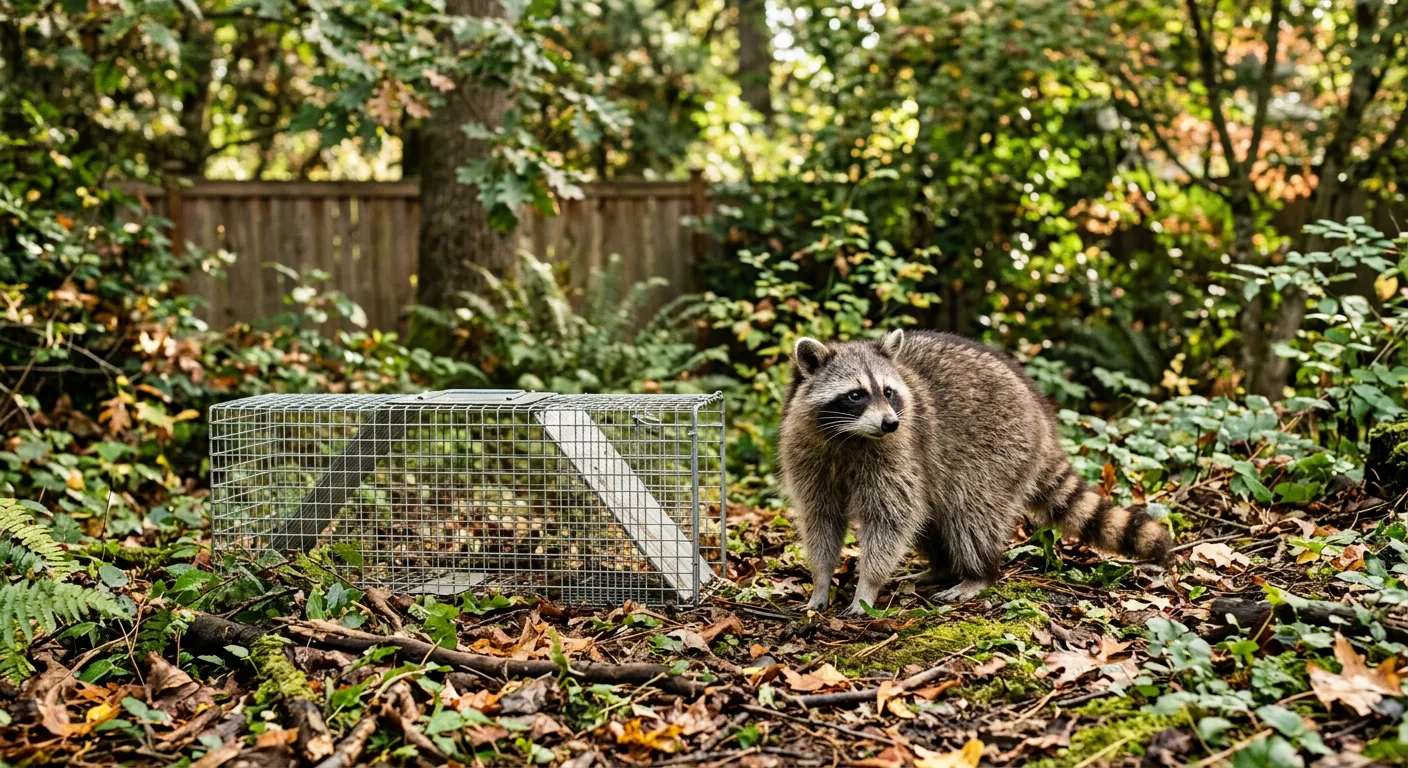
Attempting raccoon removal yourself may seem like a way to save money, but it carries significant risks. Raccoons can be aggressive, especially mothers with babies. Handling raccoons without proper training and equipment can lead to bites, scratches, and exposure to diseases and parasites. Trapping rules vary by state, and trapping without understanding the rules can result in violations.
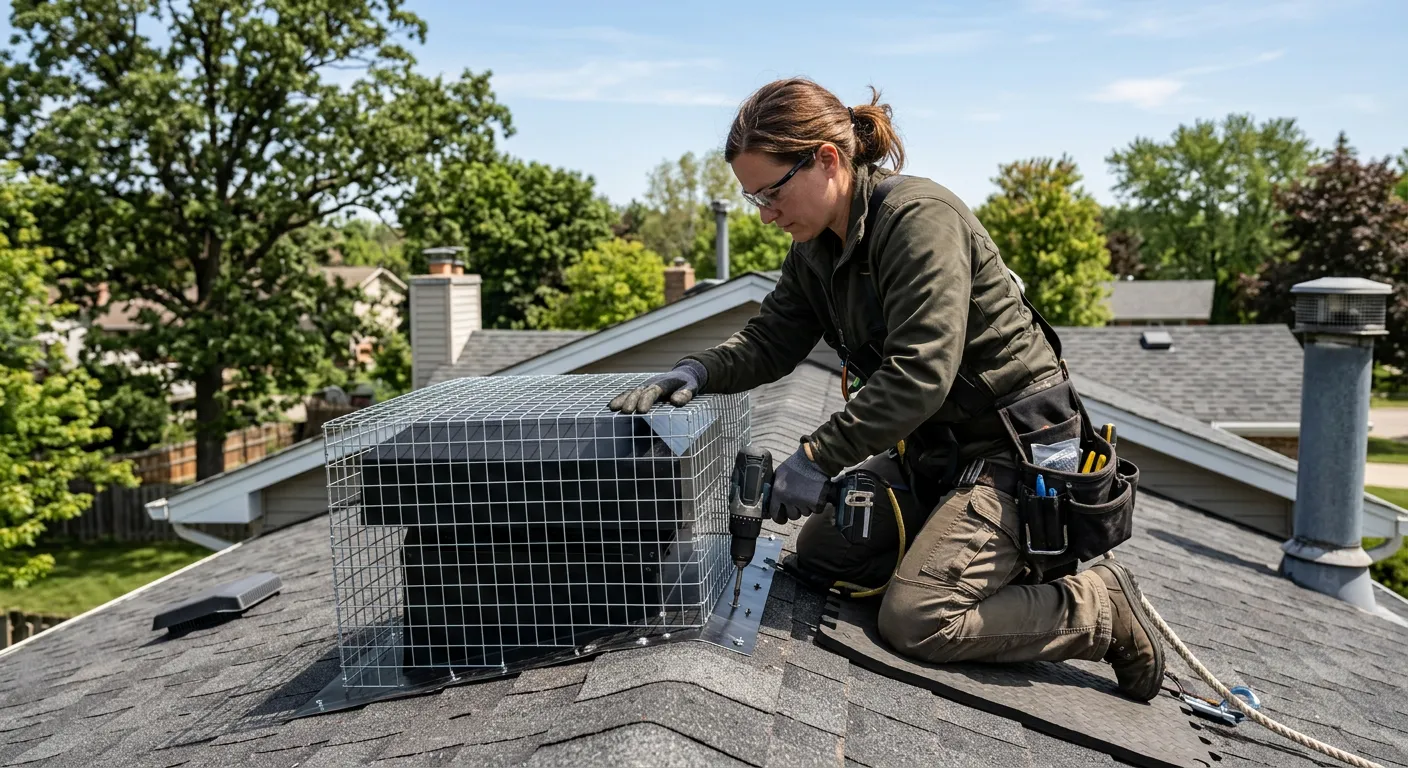
DIY removal also typically does not address the root cause. If entry points are not properly sealed with durable materials, raccoons will return. Lightweight materials like chicken wire and plastic vents are no match for a determined raccoon. Without a full inspection, you may miss secondary entry points that raccoons can use.
The Professional Approach: Benefits
Professional raccoon removal offers several advantages over DIY:
- Experience identifying all entry points, not just the obvious one
- Humane, lawful removal methods that comply with state regulations
- Proper handling of baby raccoons, including reunification where possible
- Sealing with durable, commercial-grade materials that raccoons cannot defeat
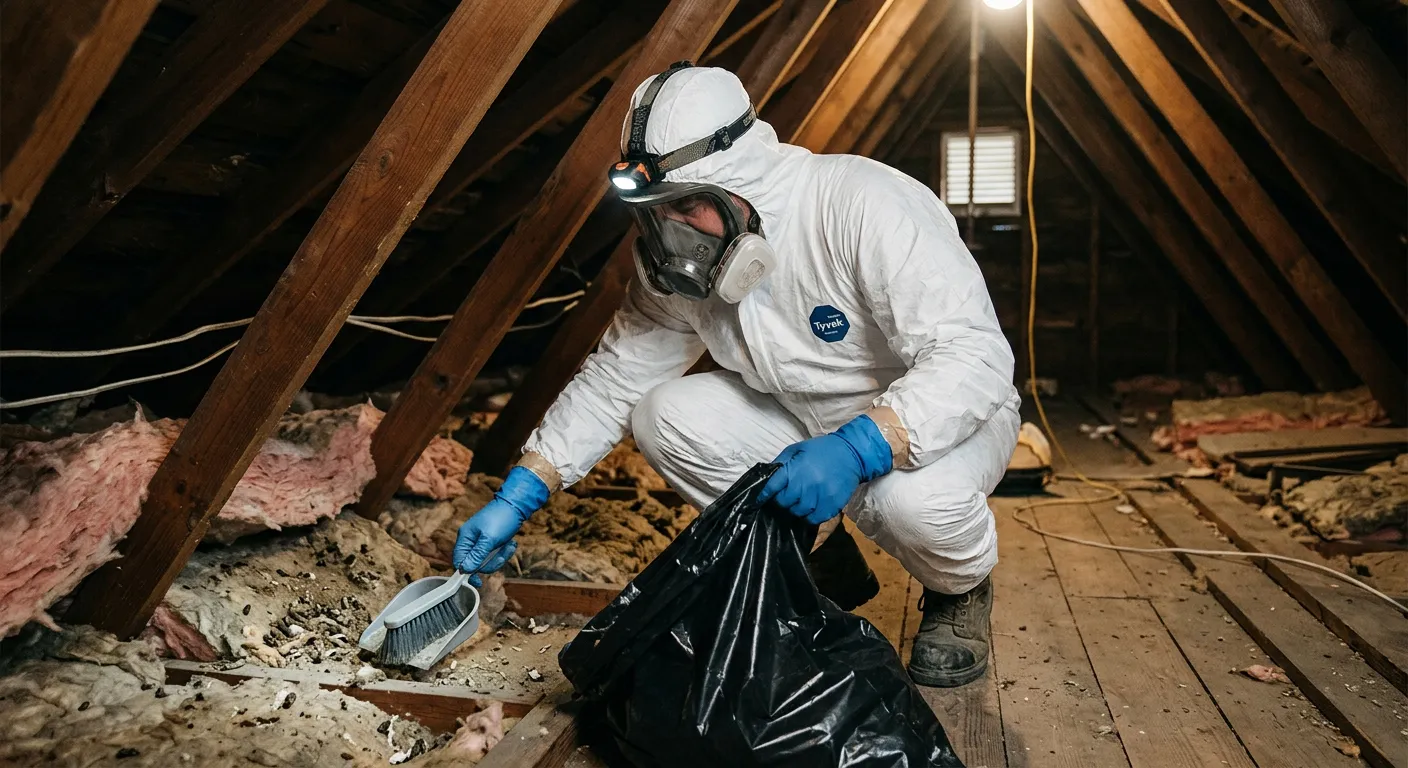
- Safe cleanup and decontamination of droppings and contaminated insulation
- Knowledge of state trapping and relocation rules
- Follow-up inspections to confirm the problem is resolved
Cost Comparison
While DIY may seem less expensive upfront, the total cost of a failed DIY attempt can exceed the cost of professional service. If raccoons return because entry points were not properly sealed, or if you need to hire a professional to fix a botched removal, you may end up paying more overall. Additionally, DIY removal does not include cleanup and decontamination, which are important for health and safety.
Professional removal, sealing, and cleanup may cost more upfront, but it addresses the entire problem in one process. Call to discuss pricing with a local provider for your specific situation.
When to Definitely Call a Professional
Some situations absolutely require a professional:
- If babies are present, as handling them requires special care and state rules
- If raccoons are in the chimney, as removal is dangerous and requires special equipment
- If you are unsure of the entry points or the number of raccoons
- If droppings and contaminated insulation need cleanup
- If your state requires permits or licenses for trapping
- If you have tried DIY approaches and raccoons have returned
Related Raccoon Removal Topics
The right solution depends on where the raccoon is living and what evidence it has left behind. Compare raccoons in an attic, safe raccoon droppings cleanup, and long-term raccoon prevention before deciding what to do next.
Need Professional Help?
If you are dealing with a raccoon problem, call to connect with a local wildlife professional. See our Raccoons in Attic page for more information.
Frequently Asked Questions
Is DIY raccoon removal dangerous?
Yes. Raccoons can be aggressive, especially mothers with babies. Handling raccoons without proper training and equipment can lead to bites, scratches, and exposure to diseases and parasites. Professional removal is safer.
Can I legally trap raccoons myself?
Trapping rules vary by state. Some states allow homeowners to trap on their own property, while others require permits or prohibit it. Check with your state wildlife agency before any trapping, or call a professional.
Why do raccoons come back after DIY removal?
DIY removal typically does not seal entry points with durable materials, so raccoons return through the same opening or find new ones. Professional removal includes sealing with heavy-gauge materials that raccoons cannot defeat.
Is professional raccoon removal worth the cost?
For most homeowners, yes. Professional removal addresses the entire problem, including humane removal, sealing, and cleanup, in one process. Failed DIY attempts can end up costing more, especially if raccoons return or cleanup is needed.
How do I know if I need a professional?
If babies are present, raccoons are in a chimney, you are unsure of entry points, droppings need cleanup, or your state requires permits, you should call a professional. When in doubt, call to discuss your situation.
Call Now for Raccoon Help
Call to connect with a local wildlife professional who can inspect your home, remove raccoons humanely, and seal entry points.