Raccoon Proofing & Entry-Point Sealing
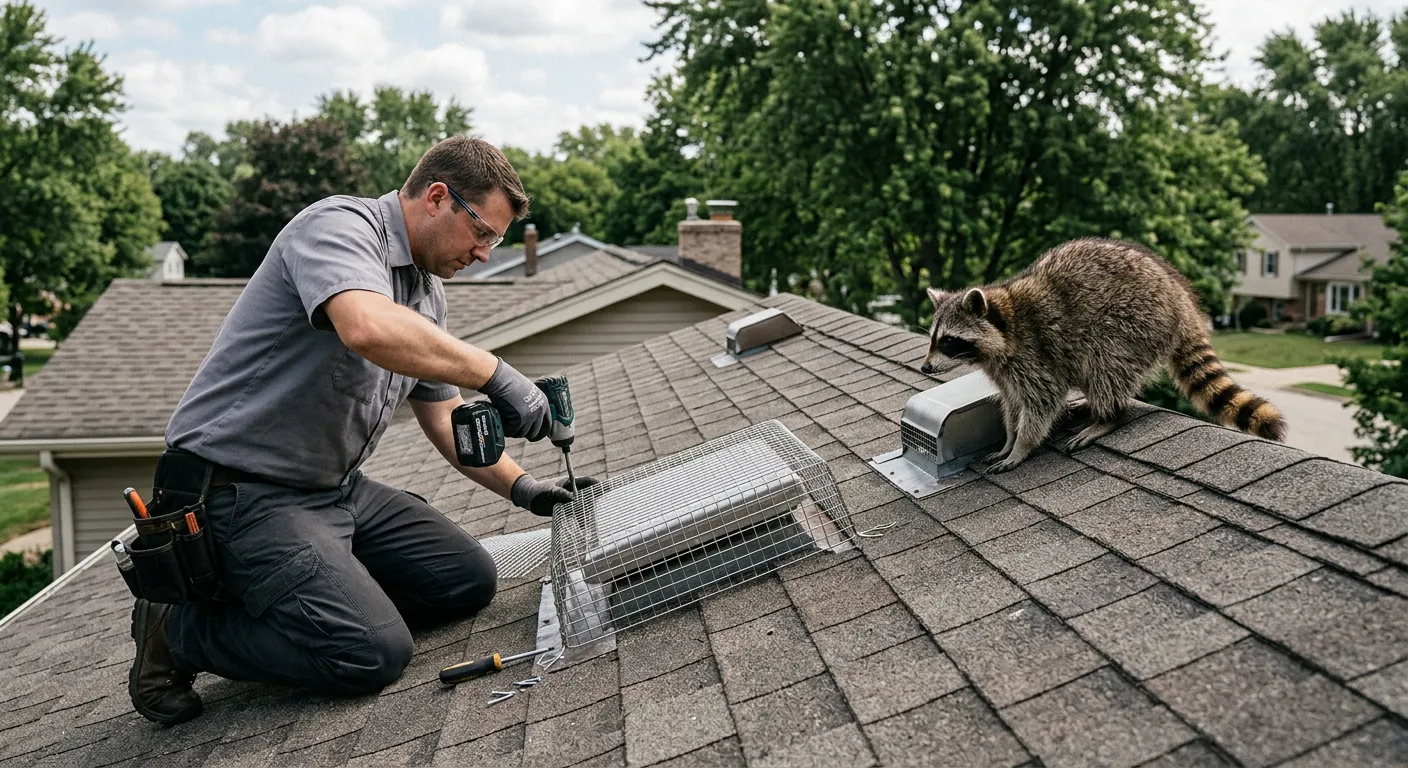
Removing raccoons without sealing entry points is only a temporary fix. The next raccoon will find the same opening and move right back in. Raccoon proofing, also called exclusion, is the process of sealing every potential entry point on your home with durable materials so raccoons cannot return. Call to connect with a local wildlife professional who can inspect and proof your home.
What to Know Before You Call
A raccoon problem is easier to solve when the inspection, removal, cleanup, and prevention work together. Note where you hear activity, whether it happens during the day or at night, and any damage you can see without entering an unsafe area. That information helps a local wildlife professional choose the safest next step.
If you are comparing options, review how to get rid of raccoons humanely, learn why entry-point sealing matters, and see the factors that affect removal cost.
Signs of the Problem
Look for these signs if you suspect raccoons:
- Gaps or openings at roof edges, soffits, or fascia boards
- Uncapped or damaged chimneys
- Torn or missing vent screens on gable, roof, or crawlspace vents
- Gaps around pipes, cables, or utility penetrations through walls or roof
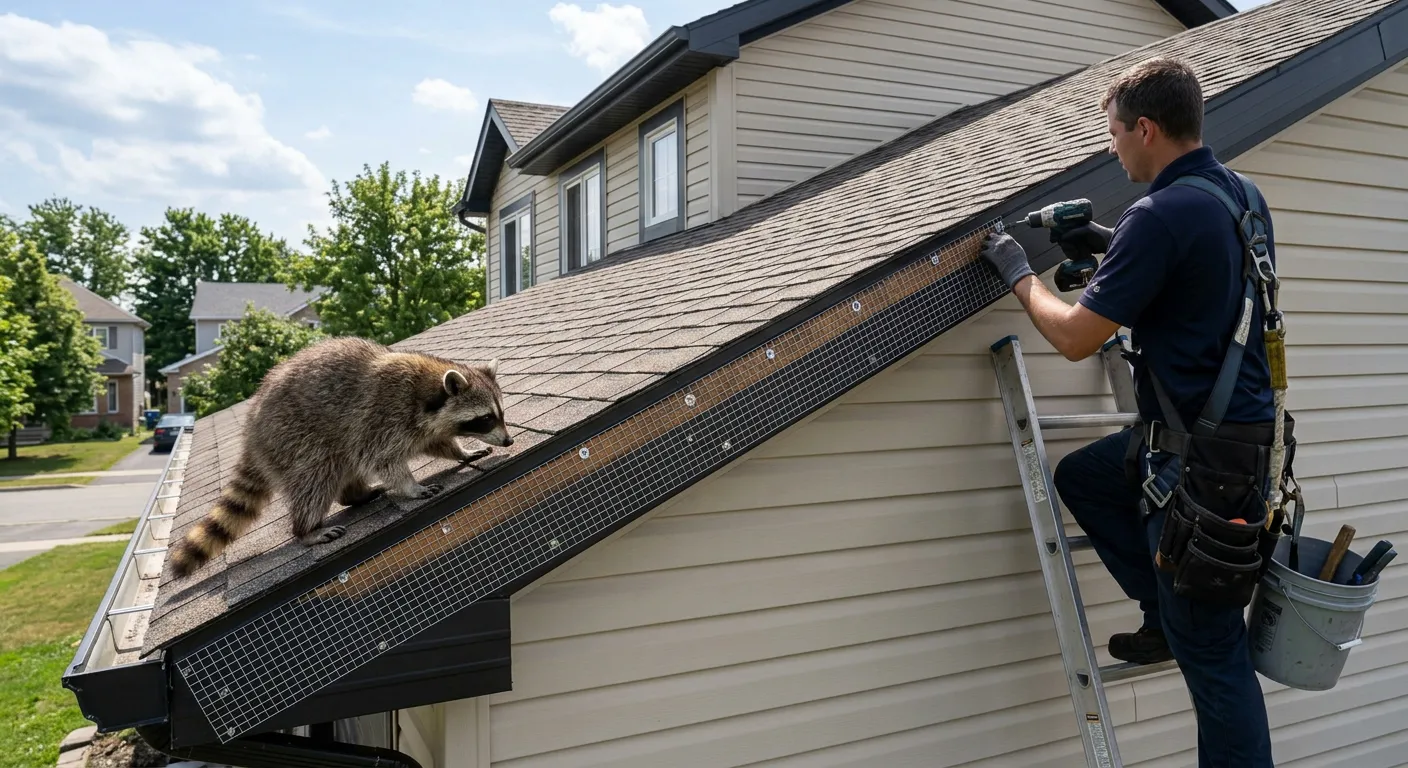
- Loose or damaged siding near the roofline
- Pet doors that raccoons can push open
Why Raccoons Choose This Area
Removal without sealing guarantees the next raccoon will find the same entry point.
Raccoons are strong and can tear through lightweight materials like plastic vents and thin mesh.
A home may have multiple potential entry points, not just the one currently in use.
Proper proofing uses heavy-gauge materials that raccoons cannot chew or pry open.
Risks of Leaving Them There
- Unsealed entry points invite repeated raccoon intrusions
- Other wildlife, including squirrels and birds, can use the same openings
- Water and pests can enter through unsealed gaps, causing additional damage
- DIY sealing with lightweight materials often fails when raccoons push or chew through
Speak to a Wildlife Pro
Have raccoons in your home? Call to get connected with experienced local wildlife professionals who can help.
How Humane Raccoon Removal Works
A local wildlife professional will follow these steps:
- 1
Full Inspection
A local wildlife professional inspects every potential entry point on your roof, walls, and foundation.
- 2
Entry-Point Identification
All current and potential entry points are identified, including gaps you may not have noticed.
- 3
Durable Sealing
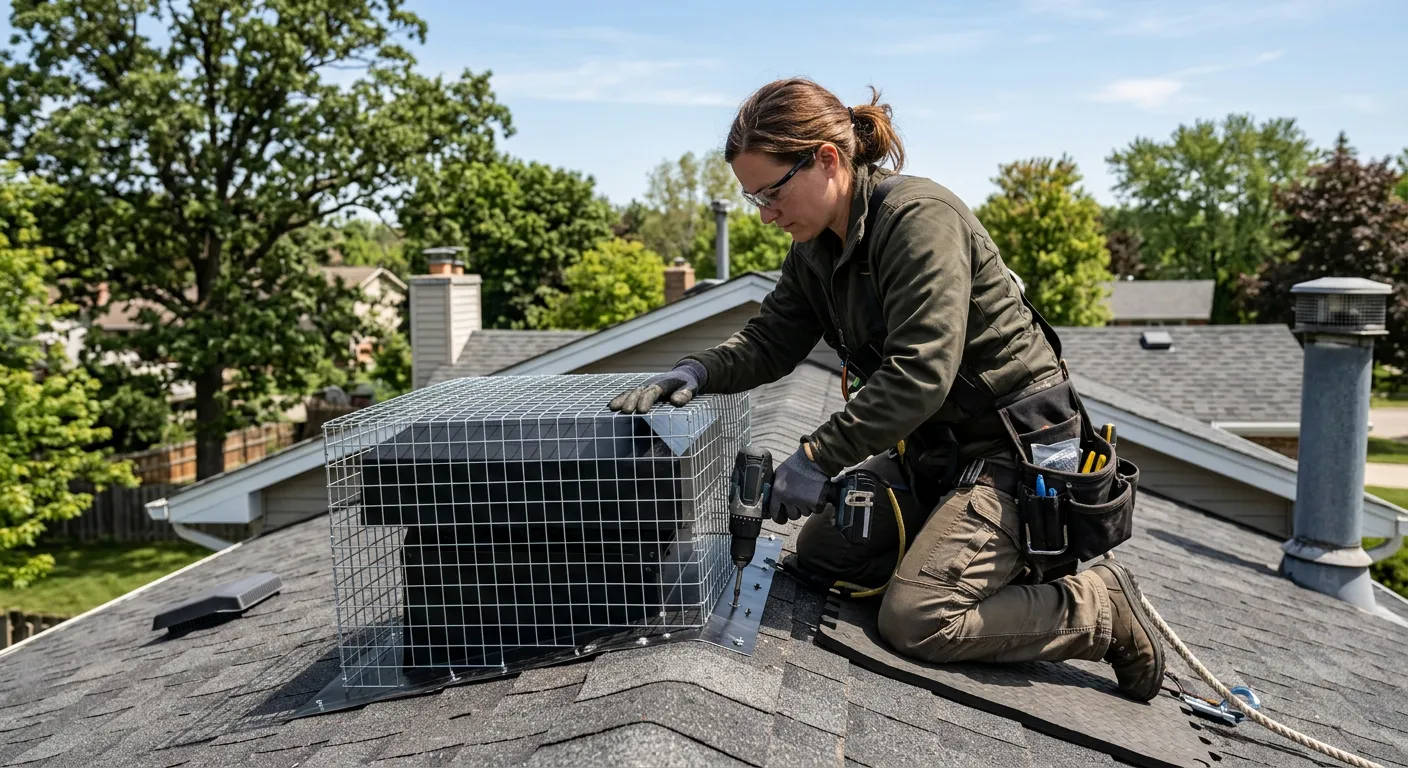
Entry points are sealed with heavy-gauge galvanized steel mesh, flashing, vent guards, and chimney caps.
- 4
Prevention Tips
The provider recommends homeowner prevention steps like trimming branches and securing bins.
- 5
Follow-up
The provider confirms all entry points are sealed and recommends periodic inspections to catch new gaps.
What Not to Do
- Do not seal entry points while animals are still inside the home
- Do not use lightweight materials like chicken wire or plastic vents, which raccoons can easily defeat
- Do not seal only the obvious opening, as raccoons may use secondary entry points
- Do not attempt roof-level sealing without proper safety equipment
Plan for Removal and Prevention Together
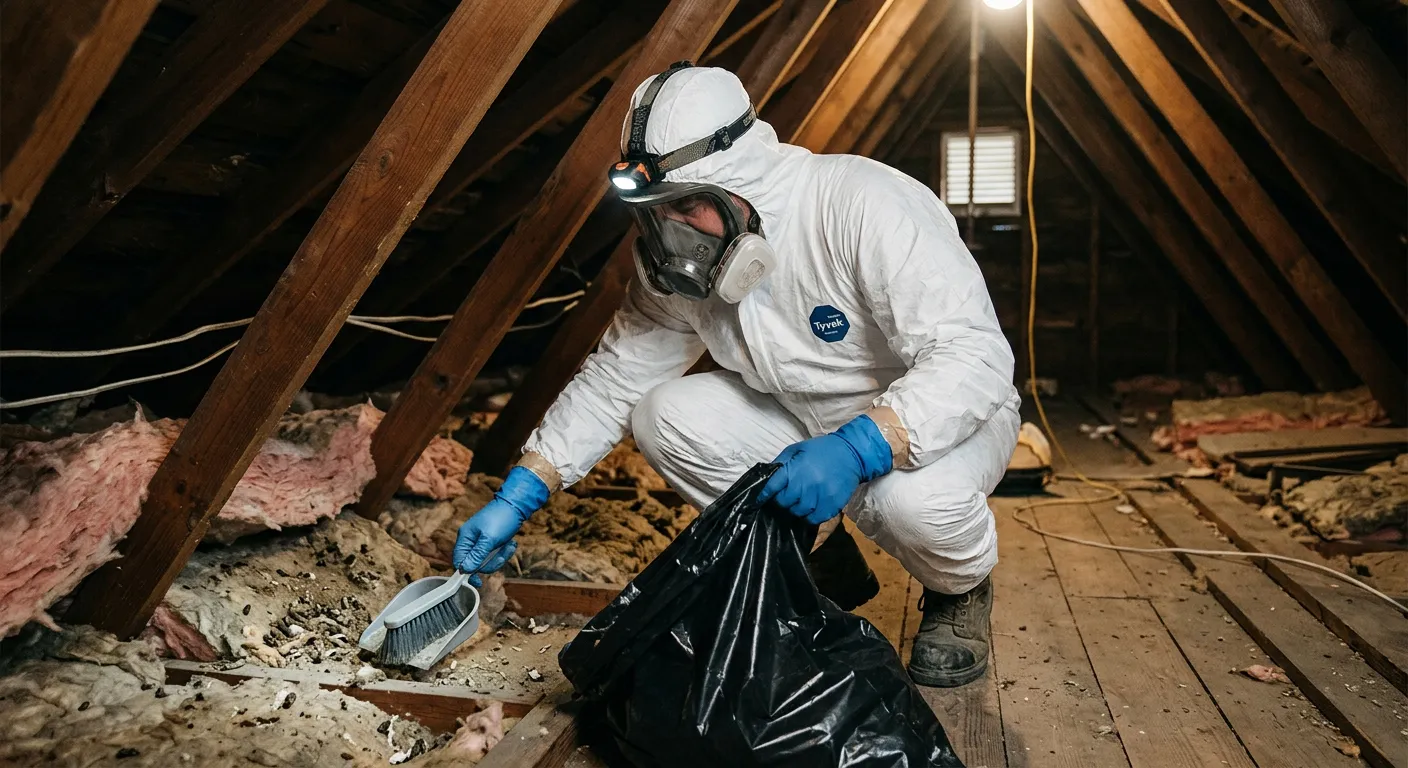
Removing the visible animal is only one part of protecting a home. A complete plan should account for young, secondary openings, contaminated materials, and the conditions that attracted raccoons in the first place. Depending on the situation, the next helpful step may be attic decontamination, damage repair, or prevention work.
Why Call RaccoonRemovalPros
RaccoonRemovalPros connects you with experienced local wildlife professionals who understand raccoon exclusion. Call to get connected with a provider who can inspect your home and seal every entry point with durable materials.
Cities We Serve
We connect homeowners with local wildlife professionals in cities across the US:
Frequently Asked Questions
What materials are used for raccoon proofing?
Heavy-gauge galvanized steel mesh, metal flashing, secure vent guards, and chimney caps are standard materials. These are strong enough to withstand raccoon pulling and chewing.
How long does raccoon proofing take?
Proofing time depends on the number of entry points and the size of your home. A local provider can give you an estimated timeline after inspecting your property.
Do I need to proof my home even if I have not had raccoons?
Preventive proofing is a good idea if you live in an area with heavy tree cover or near water. Sealing potential entry points before raccoons find them prevents future problems.
Can raccoons get through roof vents?
Yes. Standard roof vents are often lightweight plastic or aluminum that raccoons can pry open or chew through. Vent guards made of heavy-gauge steel mesh prevent this.
What can I do myself to prevent raccoons?
Trim tree branches at least six feet from your roof, secure trash bins with locking lids, remove pet food at night, pick up fallen fruit, and repair loose shingles or fascia promptly.
Related Services
Call Now for Raccoon Help
Call to connect with a local wildlife professional who can inspect your home, remove raccoons humanely, and seal entry points.