Raccoon Diseases & Health Risks: What to Know
Raccoons can carry diseases and parasites that pose health risks to people and pets. This guide covers the main health concerns associated with raccoons and how to protect your household through safe cleanup and prevention. For specific medical guidance, always consult a healthcare professional or public-health resources.
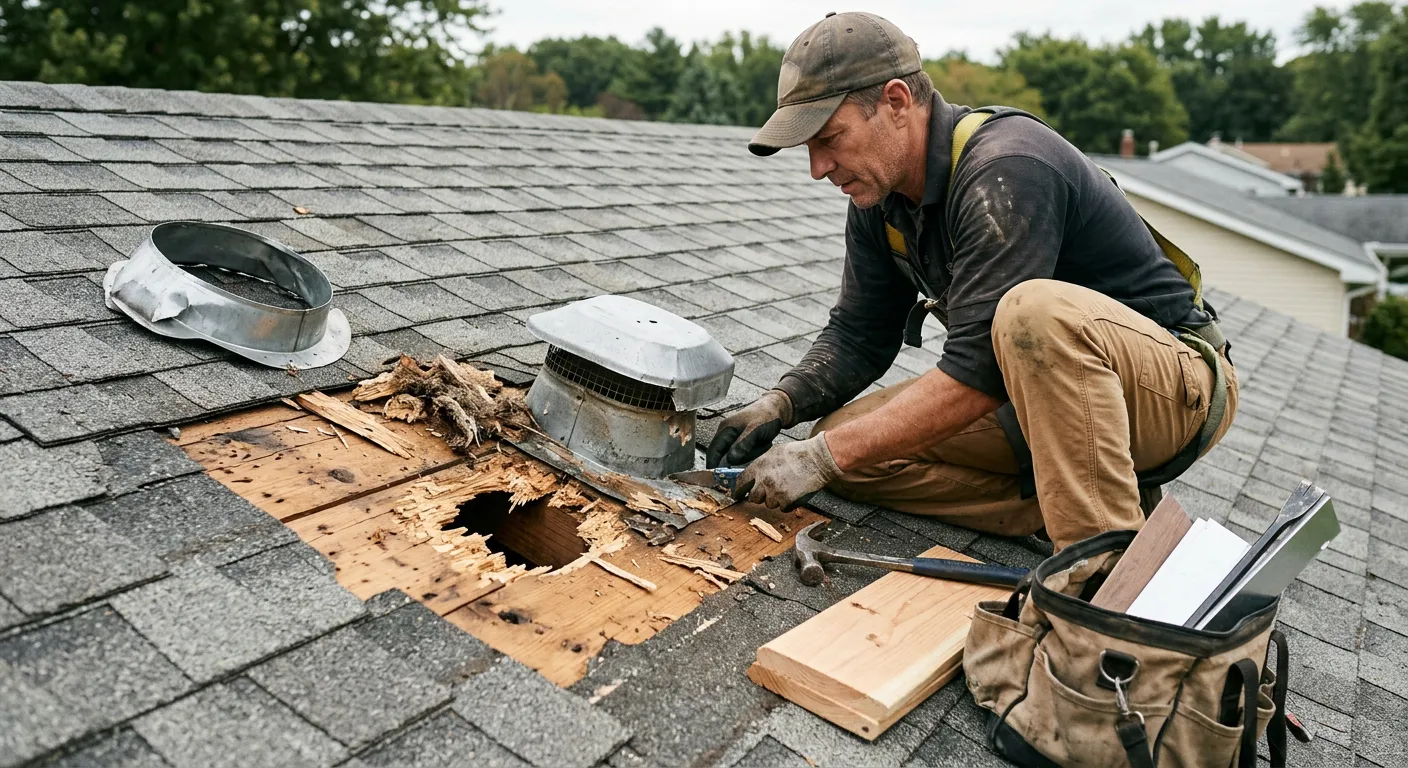
How to Use This Raccoon Guide
Start with the signs and safety information that match what you are seeing, then follow the recommended next step for your home. Raccoon activity can involve an active den, hidden entry points, contaminated insulation, or a seasonal issue, so solving the immediate problem and preventing a return both matter.
For practical help, learn about raccoon proofing and entry-point sealing, review the raccoon removal cost factors, or call to connect with a local wildlife professional.
Raccoon Roundworm
Raccoon roundworm is a parasite found in raccoon intestines. Eggs are shed in raccoon droppings and can persist in the environment for years. If eggs are accidentally ingested or inhaled, they can cause serious health problems. The risk is highest when cleaning up raccoon droppings without proper protective equipment.
To protect yourself, never handle raccoon droppings without protective gear. Never sweep or vacuum dry droppings. Consult public-health guidance, such as CDC resources, for safe cleanup practices. If you have raccoons in your home, call a professional to handle removal and cleanup safely.
Rabies
Raccoons can carry rabies, though most raccoons do not. A raccoon acting disoriented, aggressive, or unusually active during the day may be ill. If you see a raccoon displaying these symptoms, keep your distance, keep pets and children away, and report the animal to local authorities.
Do not attempt to handle or approach any raccoon, especially one acting strangely. Rabies is transmitted through bites and scratches, so maintaining distance is the best protection. If you or a pet is bitten by a raccoon, seek medical or veterinary attention immediately.
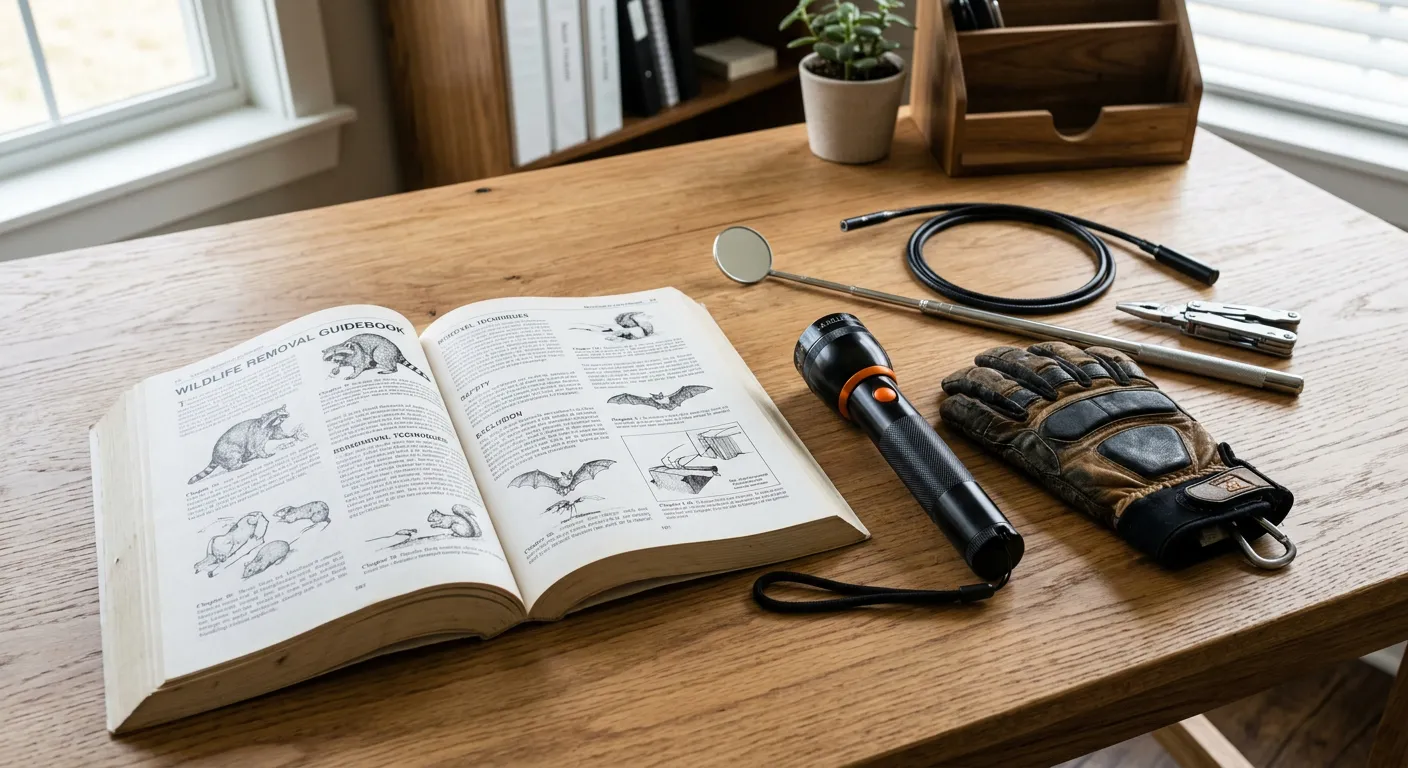
Other Health Concerns
In addition to raccoon roundworm and rabies, raccoons can carry other parasites and bacteria. Their droppings, urine, and nesting material can contaminate attic insulation and create odors that penetrate the living space. Fleas, mites, and ticks from raccoons can also affect pets and people.
The key to protecting your household is prompt, professional removal and cleanup. After raccoons are removed, contaminated insulation and droppings should be cleaned by a professional with proper equipment, and the area should be disinfected and deodorized.
Protecting Your Family and Pets
To minimize health risks from raccoons:
- Never handle raccoons or their droppings without protective equipment
- Keep pets vaccinated and away from raccoon activity areas
- Have raccoons removed promptly by a professional when they enter your home
- Have contaminated insulation and droppings cleaned professionally
- Seal entry points to prevent raccoons from returning
- Consult public-health guidance for safe cleanup practices
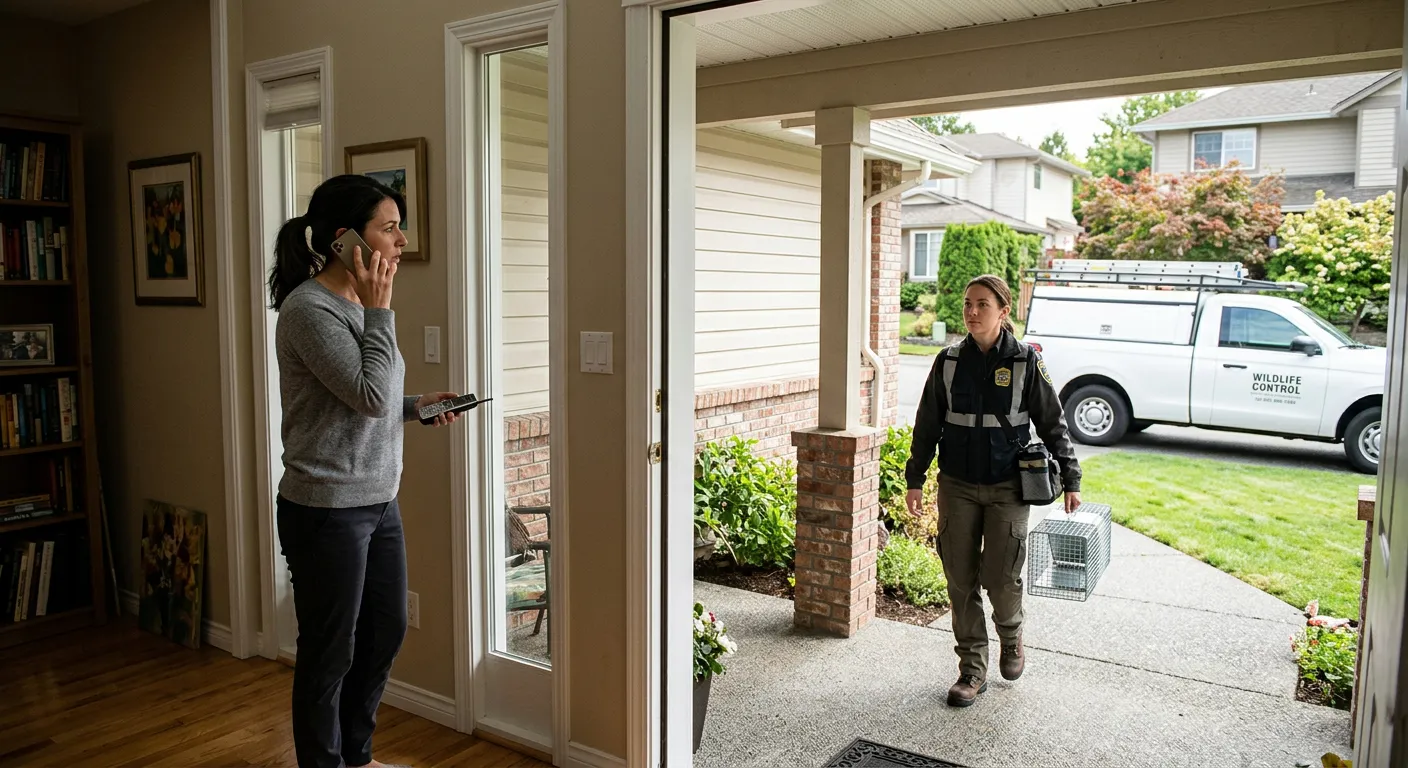
Related Raccoon Removal Topics
The right solution depends on where the raccoon is living and what evidence it has left behind. Compare raccoons in an attic, safe raccoon droppings cleanup, and long-term raccoon prevention before deciding what to do next.
Need Professional Help?
If you are dealing with a raccoon problem, call to connect with a local wildlife professional. See our Raccoon Poop Cleanup page for more information.
Frequently Asked Questions
Can I get sick from raccoons in my attic?
Raccoons in your attic can pose health risks through their droppings, urine, and parasites. The area should be cleaned and decontaminated after removal. Consult public-health guidance for safe cleanup practices and call a professional.
Do all raccoons have rabies?
No, most raccoons do not have rabies. However, raccoons can carry the disease. If you see a raccoon acting disoriented or aggressive, keep your distance and report it to local authorities. Do not approach or handle any raccoon.
What is raccoon roundworm?
Raccoon roundworm is a parasite whose eggs are found in raccoon droppings. Eggs can persist in the environment and pose health risks if inhaled or ingested. Consult public-health guidance, such as CDC resources, for information and safe cleanup practices.
Can my pets get sick from raccoons?
Yes. Pets can be exposed to rabies through bites, and to parasites from raccoon droppings. Keep pets vaccinated and away from raccoon activity areas. If your pet has contact with a raccoon, consult your veterinarian.
How do I safely clean up raccoon droppings?
The safest approach is to hire a professional. If you must clean a small area yourself, wear a respirator and gloves, moisten droppings with disinfectant before removal, and double-bag waste. Never sweep or vacuum dry droppings. Consult public-health guidance for detailed instructions.
Call Now for Raccoon Help
Call to connect with a local wildlife professional who can inspect your home, remove raccoons humanely, and seal entry points.