Raccoon Damage Repair: Structural & Insulation Restoration
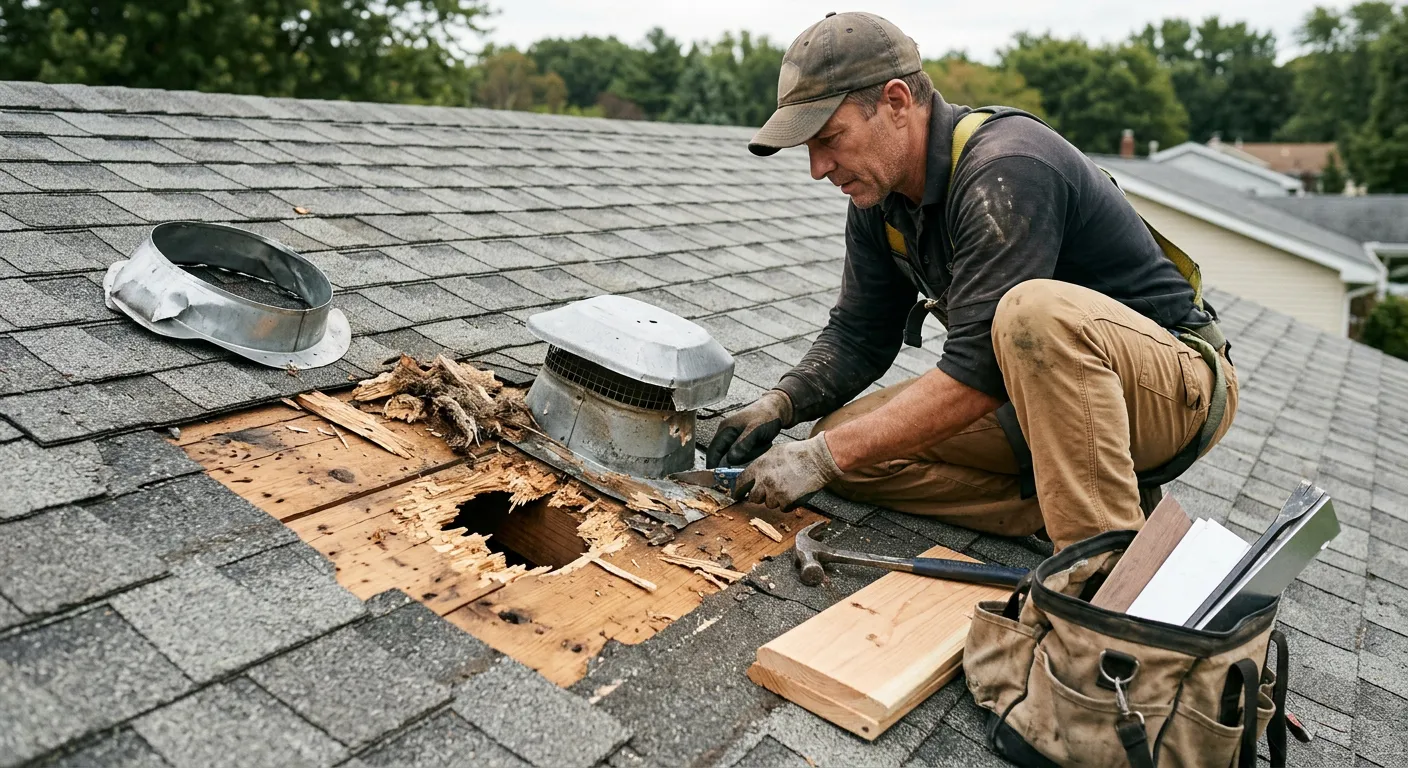
Raccoons in your home can cause significant damage to insulation, wiring, ductwork, wooden framing, and drywall. After raccoons are removed, the damage needs to be repaired to restore your home and prevent future problems. Call to connect with a local wildlife professional who can assess and repair raccoon damage.
What to Know Before You Call
A raccoon problem is easier to solve when the inspection, removal, cleanup, and prevention work together. Note where you hear activity, whether it happens during the day or at night, and any damage you can see without entering an unsafe area. That information helps a local wildlife professional choose the safest next step.
If you are comparing options, review how to get rid of raccoons humanely, learn why entry-point sealing matters, and see the factors that affect removal cost.
Signs of the Problem
Look for these signs if you suspect raccoons:
- Torn, matted, or missing insulation in the attic
- Chewed electrical wiring in the attic or walls
- Damaged ductwork from raccoon chewing or nesting
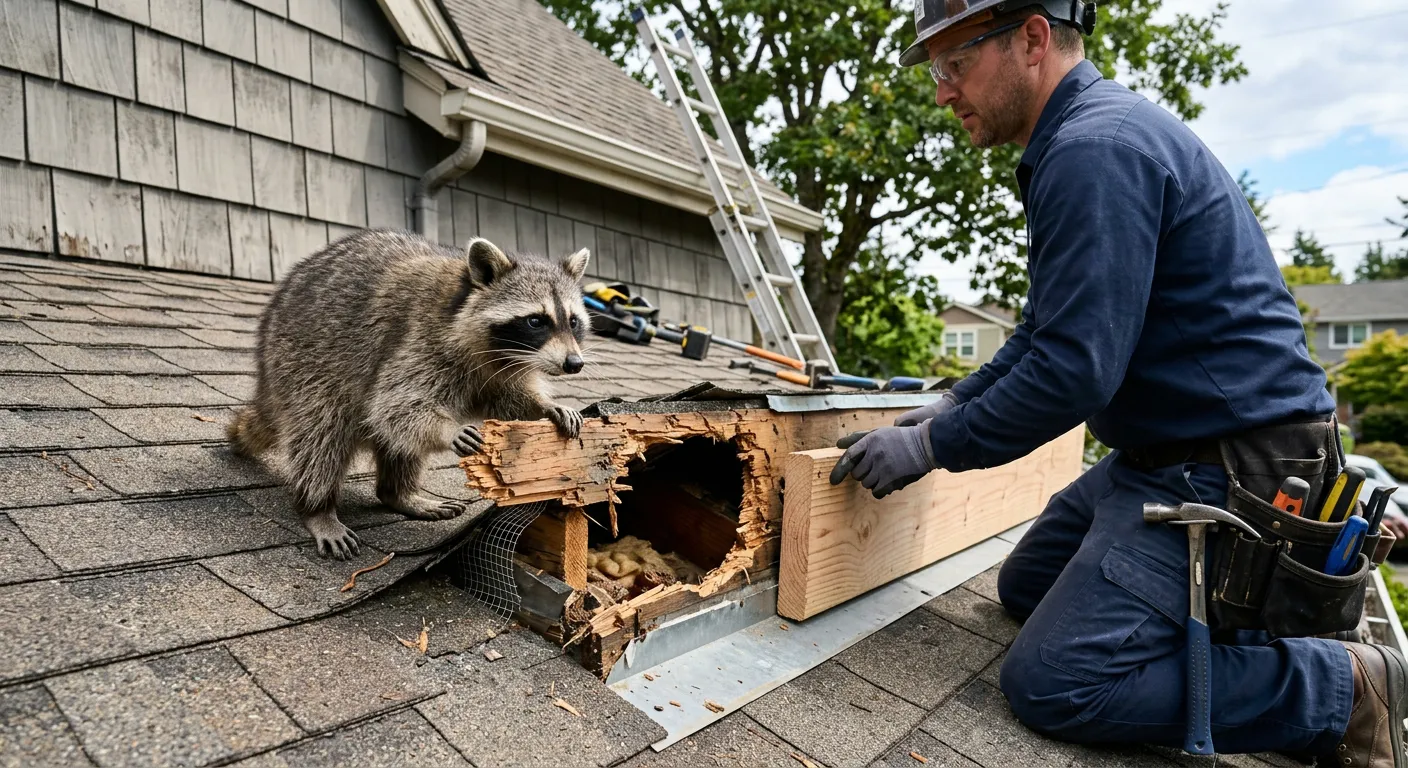
- Gnawed wooden framing or roof boards
- Holes or tears in drywall from raccoon activity
- Stains on ceilings from urine soaking through
Why Raccoons Choose This Area
Raccoons chew on wiring, wood, and ductwork, creating safety hazards that need repair.
Torn insulation loses its effectiveness, increasing energy costs.
Unrepaired damage can allow water and other pests to enter your home.
Repairing damage after removal prevents future problems and restores your home's integrity.
Risks of Leaving Them There
- Chewed electrical wiring can create fire hazards
- Damaged ductwork can reduce HVAC efficiency and spread contaminants
- Unrepaired roof and framing damage can lead to water intrusion
- Contaminated insulation can pose health concerns if not removed and replaced
- Ignoring damage can lead to more expensive repairs over time
Speak to a Wildlife Pro
Have raccoons in your home? Call to get connected with experienced local wildlife professionals who can help.
How Humane Raccoon Removal Works
A local wildlife professional will follow these steps:
- 1
Damage Assessment
A local wildlife professional assesses all damage, including insulation, wiring, ductwork, framing, and drywall.
- 2
Contaminated Material Removal
Droppings, nesting material, and contaminated insulation are removed safely.
- 3
Structural Repair
Damaged wood, drywall, and ductwork are repaired or replaced as needed.
- 4
Re-insulation
New insulation is installed to replace contaminated or damaged material.
- 5
Sealing
All entry points are sealed to prevent raccoons from returning and causing new damage.
- 6
Follow-up
The provider confirms repairs are complete and the home is secure.
What Not to Do
- Do not ignore damage after raccoons are removed, as problems can worsen over time
- Do not attempt electrical or structural repairs without proper qualifications
- Do not install new insulation over contaminated material without cleaning first
- Do not assume the damage is only where you can see it, as raccoons may have affected hidden areas
Plan for Removal and Prevention Together
Removing the visible animal is only one part of protecting a home. A complete plan should account for young, secondary openings, contaminated materials, and the conditions that attracted raccoons in the first place. Depending on the situation, the next helpful step may be attic decontamination, damage repair, or prevention work.
Why Call RaccoonRemovalPros
RaccoonRemovalPros connects you with experienced local wildlife professionals who can assess and repair raccoon damage. Call to get connected with a provider who can restore your home after raccoon removal.
Cities We Serve
We connect homeowners with local wildlife professionals in cities across the US:
Frequently Asked Questions
What kind of damage can raccoons do?
Raccoons can tear insulation, chew wiring, damage ductwork, gnaw wood and drywall, and leave droppings that contaminate the attic. The extent depends on how long they have been present.
Can chewed wiring cause a fire?
Yes. Chewed electrical wiring is a serious safety hazard and should be repaired by a qualified professional. If you find damaged wiring, have it inspected and repaired promptly.
Does damaged insulation need to be replaced?
Insulation that is torn, matted, or contaminated with droppings should be removed and replaced. A professional can assess which areas need replacement.
Is raccoon damage covered by homeowners insurance?
Coverage varies by policy. Some policies cover raccoon damage, while others exclude it. Check with your insurance provider about your specific coverage.
How long does raccoon damage repair take?
Repair time depends on the extent of the damage. A local provider can give you an estimated timeline after assessing your home.
Related Services
Call Now for Raccoon Help
Call to connect with a local wildlife professional who can inspect your home, remove raccoons humanely, and seal entry points.