Raccoon Prevention: Keep Raccoons from Coming Back
After raccoons are removed, prevention is the key to keeping them from returning. Raccoon prevention combines sealing entry points, removing attractants from your yard, and making your property less appealing to wildlife. Call to connect with a local wildlife professional who can help prevent raccoons from coming back.
What to Know Before You Call
A raccoon problem is easier to solve when the inspection, removal, cleanup, and prevention work together. Note where you hear activity, whether it happens during the day or at night, and any damage you can see without entering an unsafe area. That information helps a local wildlife professional choose the safest next step.
If you are comparing options, review how to get rid of raccoons humanely, learn why entry-point sealing matters, and see the factors that affect removal cost.
Signs of the Problem
Look for these signs if you suspect raccoons:
- Raccoons have been removed but entry points are not yet sealed
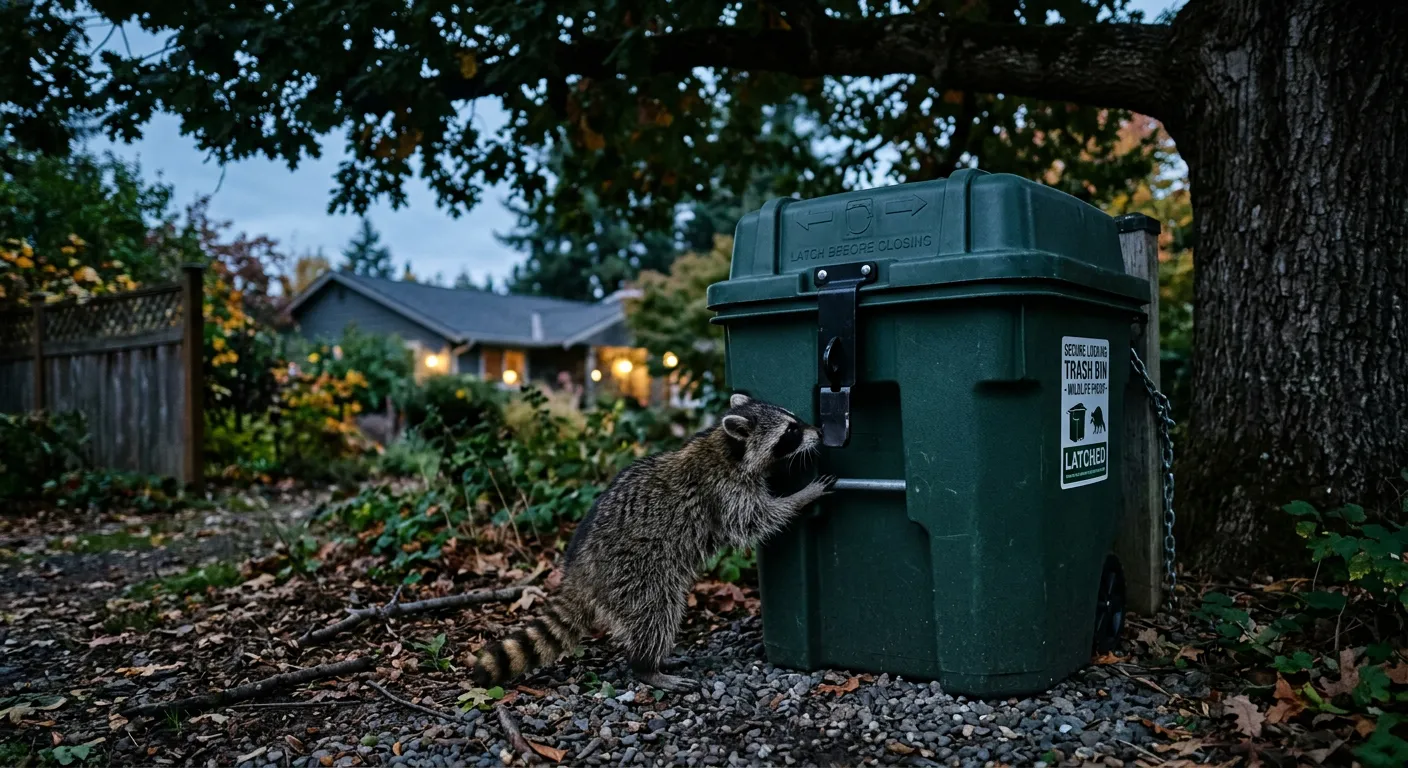
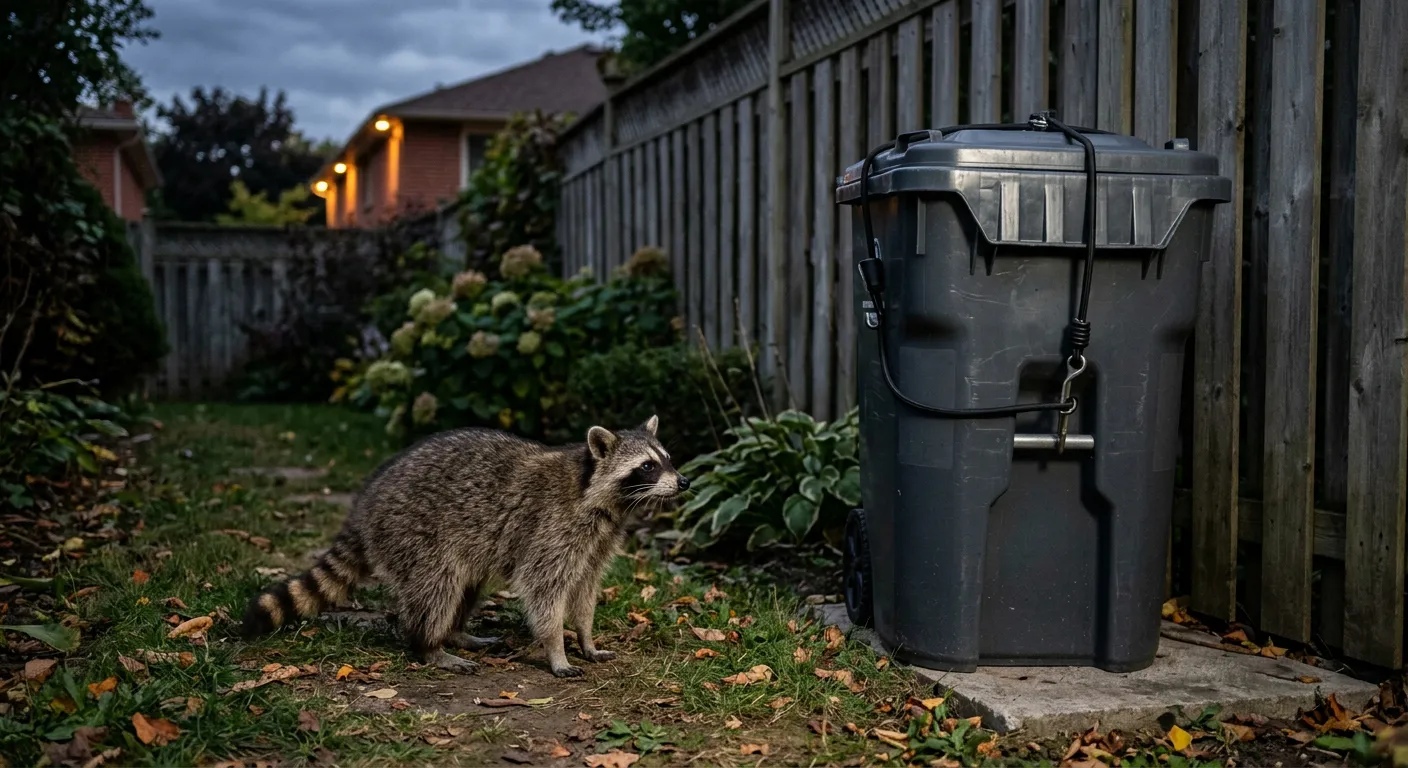
- Trash bins accessible to wildlife on your property
- Pet food left outside overnight
- Fallen fruit from trees accumulating in the yard
- Tree branches touching or overhanging the roof
- Bird feeders that raccoons can access
Why Raccoons Choose This Area
Prevention is more effective and less expensive than repeated removal.
Raccoons return to areas where they have found food and shelter before.
Removing attractants and sealing entry points addresses the root causes of raccoon problems.
A combination of exclusion and yard management provides the best long-term protection.
Risks of Leaving Them There
- Unsealed entry points invite repeated raccoon intrusions
- Food sources in the yard attract raccoons and other wildlife
- Overhanging branches give raccoons easy roof access
- Without prevention, raccoons that are removed are often replaced by new ones
Speak to a Wildlife Pro
Have raccoons in your home? Call to get connected with experienced local wildlife professionals who can help.
How Humane Raccoon Removal Works
A local wildlife professional will follow these steps:
- 1
Inspection
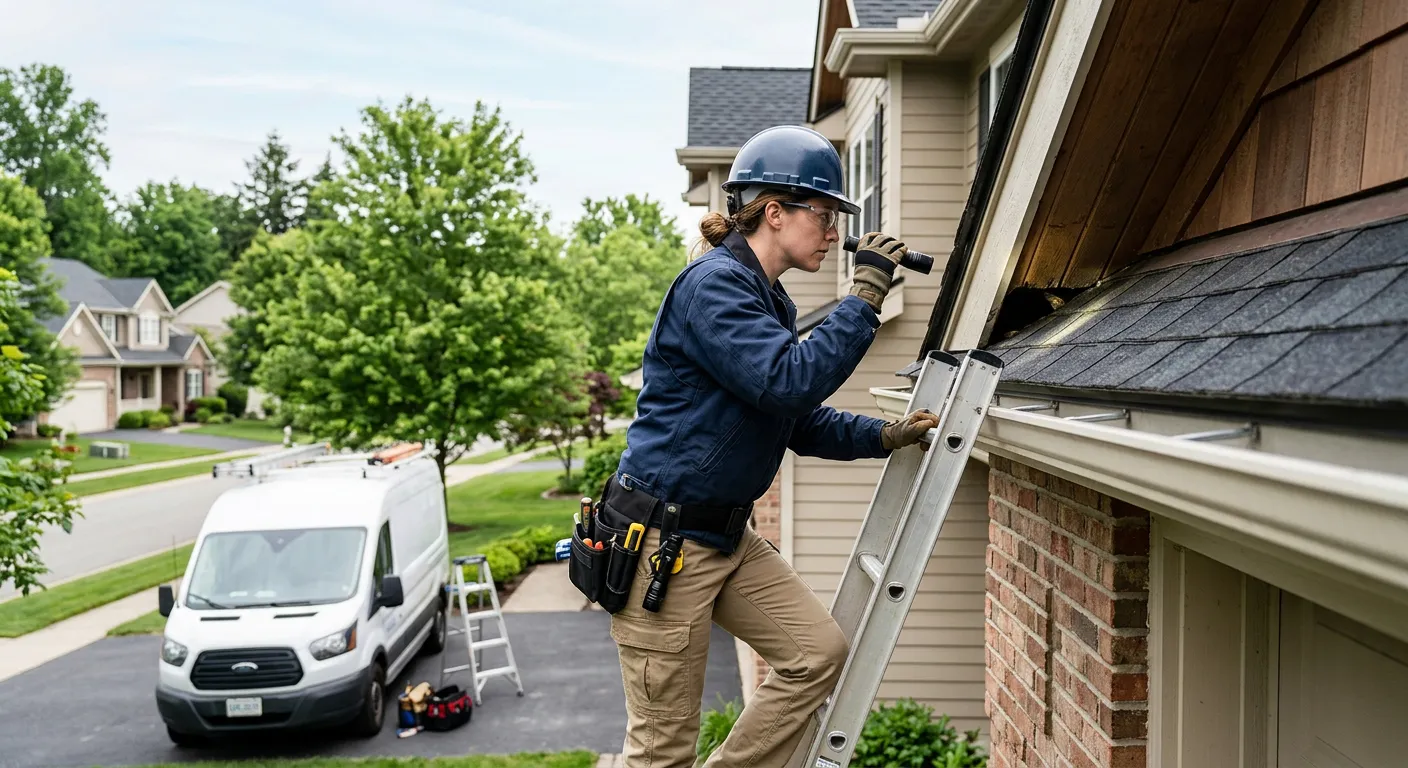
A local wildlife professional inspects your home and yard for entry points and attractants.
- 2
Sealing
All entry points on the roof, walls, and foundation are sealed with durable materials.
- 3
Attractant Removal
The provider recommends steps to remove food sources and make your yard less appealing to raccoons.
- 4
Branch Trimming
Tree branches that give raccoons roof access should be trimmed back at least six feet from the roofline.
- 5
Bin and Food Management
Secure trash bins with locking lids, remove pet food at night, and clean up fallen fruit.
- 6
Follow-up
The provider recommends periodic inspections to ensure entry points remain sealed and no new attractants have developed.
What Not to Do
- Do not leave pet food outside overnight
- Do not use repellents as a substitute for sealing and prevention
- Do not assume raccoons will not return after removal without prevention
- Do not ignore small gaps, as raccoons can fit through openings as small as four inches
Plan for Removal and Prevention Together
Removing the visible animal is only one part of protecting a home. A complete plan should account for young, secondary openings, contaminated materials, and the conditions that attracted raccoons in the first place. Depending on the situation, the next helpful step may be attic decontamination, damage repair, or prevention work.
Why Call RaccoonRemovalPros
RaccoonRemovalPros connects you with experienced local wildlife professionals who can help prevent raccoons from returning. Call to get connected with a provider who can inspect your home and recommend prevention steps.
Cities We Serve
We connect homeowners with local wildlife professionals in cities across the US:
Frequently Asked Questions
What attracts raccoons to my yard?
Unsecured trash bins, pet food left outside, fallen fruit, bird feeders, and accessible water sources all attract raccoons. Removing these attractants is a key prevention step.
How far should I trim tree branches from my roof?
Trim branches at least six feet back from the roofline. Raccoons are excellent climbers and use overhanging branches as highways to your rooftop.
Do repellents work for prevention?
Repellents have limited effectiveness and should not be relied on as a primary prevention method. Sealing entry points and removing attractants are much more effective.
How small a gap can a raccoon fit through?
Raccoons can fit through openings as small as four inches. Any gap that size or larger near your roofline or foundation should be sealed.
How often should I inspect my home for new entry points?
Inspect your roofline at least once a year and after any major storms. Storms can loosen shingles, vents, and soffits, creating new entry points that raccoons will find quickly.
Related Services
Call Now for Raccoon Help
Call to connect with a local wildlife professional who can inspect your home, remove raccoons humanely, and seal entry points.