Raccoon Removal Houston, TX
Raccoon removal Houston, TX residents trust begins with one call. Houston's bayous and heavy tree canopy give raccoons natural highways into neighborhoods from the Heights to Kingwood, and storm-weakened roofs make entry easier than many homeowners realize. We connect you with local wildlife professionals who understand Houston's housing and climate.
A Practical Raccoon Removal Plan for Houston
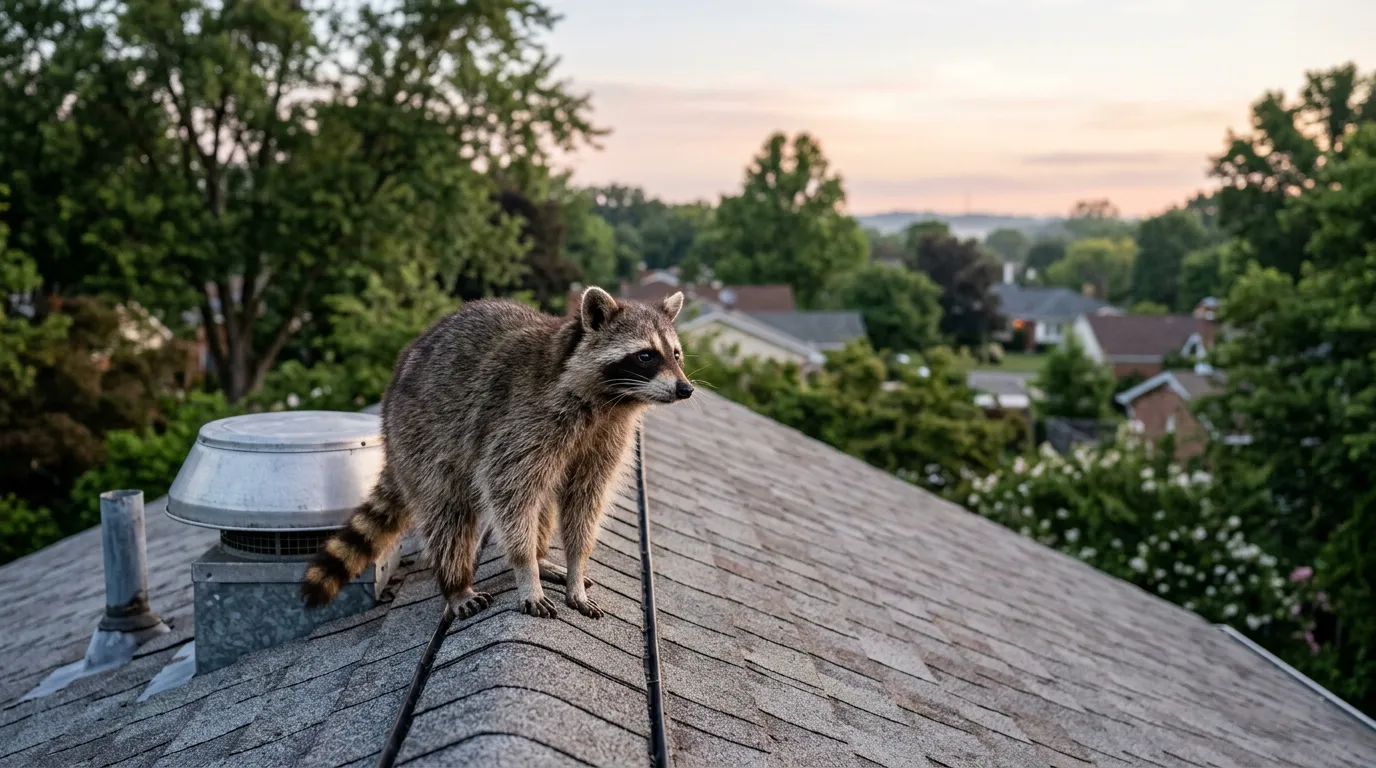
Raccoon problems in Houston homes are easier to resolve when the provider looks beyond the first hole or noise. A careful inspection should identify the active den, check for young, look for damage, and review nearby food or shelter attractants. That creates a safer plan for removal and reduces the chance of another raccoon using the same opening.
Learn more about raccoons in attics, raccoon proofing, and prevention steps before you call.
Raccoon Problems Local Pros Handle in Houston
Local wildlife professionals in Houston handle all types of raccoon problems:
Why Houston Has Raccoon Problems
Houston is defined by its bayous, which thread through nearly every neighborhood and provide raccoons with food, water and travel corridors. The city's mature live oaks and pecans form a continuous canopy in areas like River Oaks and the Heights, letting raccoons move from tree to roof without ever touching the ground. Frequent severe weather loosens shingles and vents, creating entry points that raccoons quickly find.
Where Raccoons Show Up Around Houston
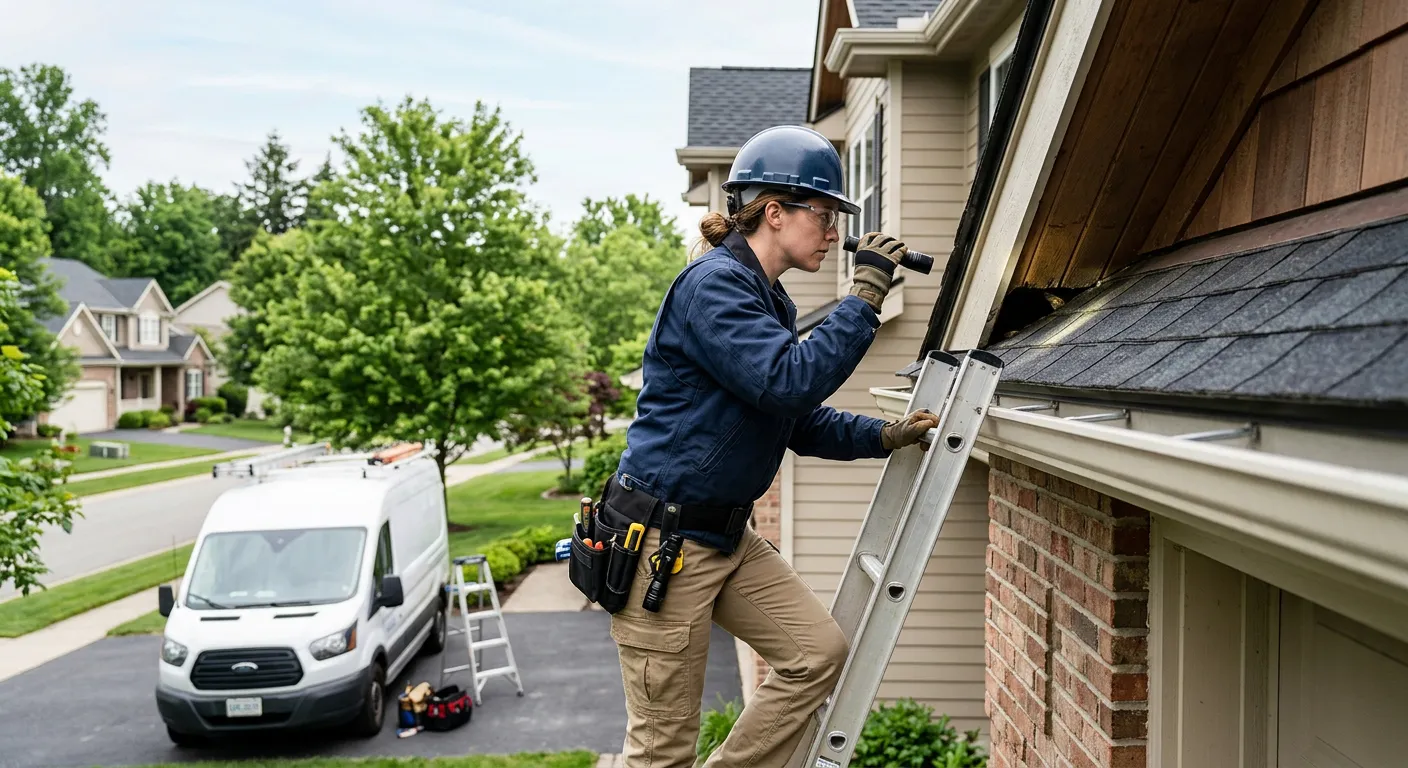
Houston raccoon calls come from across the city. Heights pier-and-beam homes see raccoons under the floor as well as in the attic. Montrose and Bellaire report chimney and soffit entries. Memorial and River Oaks estates with complex roofs have multiple vulnerable vents. Kingwood and Clear Lake, bordered by greenbelts and water, see heavy attic and deck activity.
Common Entry Points on Houston Homes
Houston homes commonly lose entry to storm-damaged roof vents, rotting fascia on older homes, uncapped chimneys, and gaps where plumbing stacks pass through the roof. Pier-and-beam houses in the Heights often have unsecured skirting that raccoons push aside to den underneath.
Speak to a Wildlife Pro
Have raccoons in your home? Call to get connected with experienced local wildlife professionals who can help.
How Raccoon Removal Works in Houston
- 1
Call
Call to connect with a local wildlife professional who serves Houston and the surrounding area.
- 2
Inspection
The provider inspects your home to identify entry points and confirm raccoon activity.
- 3
Humane Removal
Raccoons are removed using humane, lawful methods that comply with Texas regulations.
- 4
Sealing
Every entry point is sealed with durable materials to prevent raccoons from returning.
- 5
Cleanup
If needed, droppings and contaminated insulation are safely removed and the area is disinfected.
What to Document Before Calling in Houston
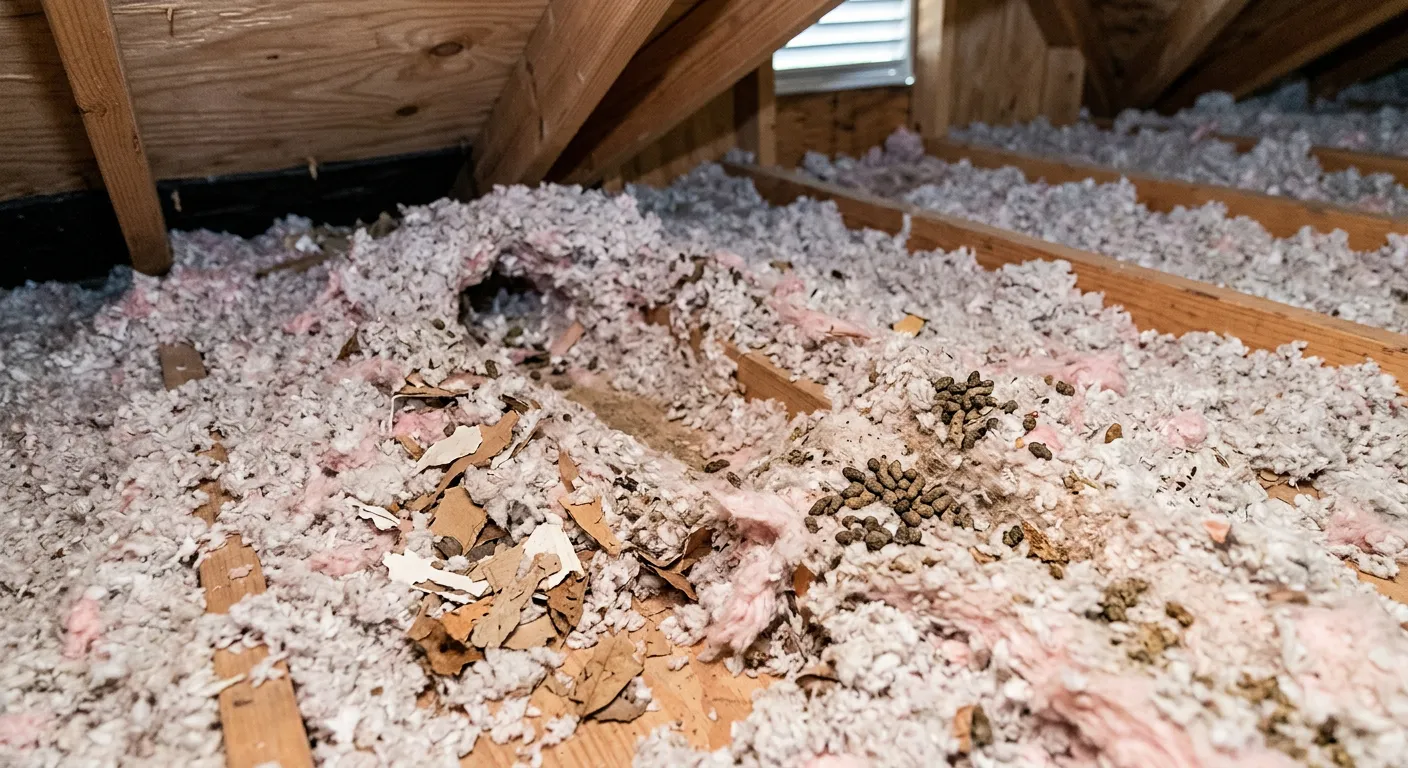
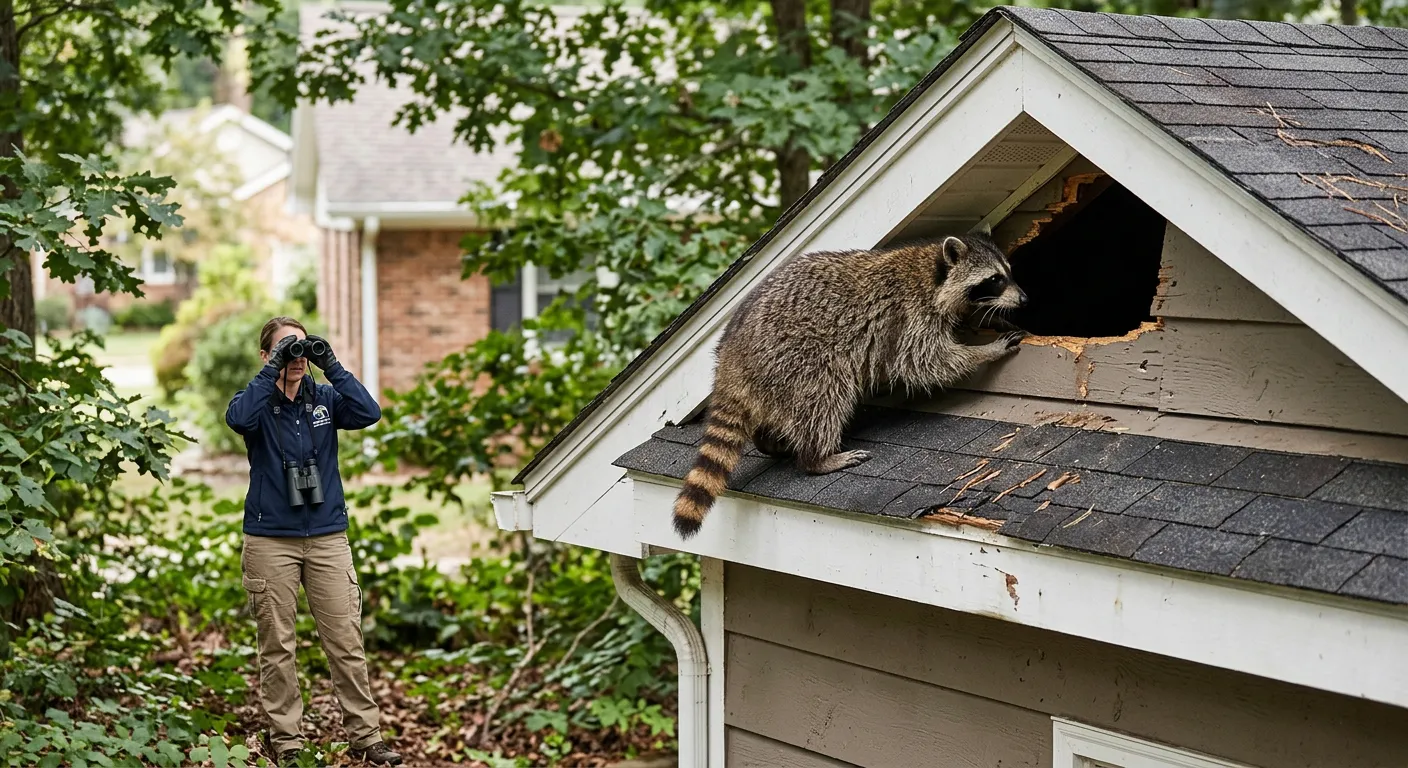
If it is safe to do so, note the time of day you hear activity, the exact room or roof area involved, visible entry damage, and any signs of droppings or nesting. Do not climb onto the roof or approach a raccoon. Sharing these details can help the local provider prepare for an inspection and explain whether humane trapping, exclusion, cleanup, or repair may be needed.
Rules and Regulations in Texas
Raccoon rules in Texas cover trapping, transport and relocation. Houston homeowners should verify current requirements with Texas Parks and Wildlife before any removal work begins.
Raccoon Removal Cost in Houston
Raccoon removal cost in Houston depends on the number of animals, entry points, whether babies are present, and cleanup scope. Rather than relying on generic estimates, call to discuss your specific situation with a local provider. See our raccoon removal cost guide for more information.
Why Houston Homeowners Call RaccoonRemovalPros
Houston homeowners call RaccoonRemovalPros to be connected with local wildlife professionals who know bayou-side neighborhoods and can respond quickly to storm-related raccoon entries.
Houston Raccoon FAQ
Are raccoons active year-round in Houston?
Yes. Houston's warm climate means raccoons stay active through every season, though birthing peaks in spring. Storms can displace raccoons and push them into homes at any time of year.
Why do Houston homes get raccoons after storms?
High winds and heavy rain loosen shingles, tear soffits and dislodge vents, creating openings raccoons find quickly. After a major storm, it is worth checking your roofline for new gaps.
Do raised Houston homes get raccoons underneath?
Pier-and-beam homes in areas like the Heights often have open or poorly secured skirting. Raccoons push aside lattice or dig under to den in the cool space below. A buried barrier skirt is the usual fix.
How fast can a local pro get to my Houston home?
Response time depends on the provider and time of day. When you call, the local pro can give you their current availability and schedule an inspection as soon as possible.
Will sealing my Houston roof keep raccoons out for good?
Properly sealing every entry point with durable materials greatly reduces re-entry, but no exclusion is permanent if new openings form. Annual roof checks, especially after storms, help catch problems early.
Other Areas We Serve
Call Now for Raccoon Help
Call to connect with a local wildlife professional who can inspect your home, remove raccoons humanely, and seal entry points.