Raccoon Removal Laws by State: What You Need to Know
Raccoon trapping, relocation, and disposal rules vary significantly by state, and they change over time. This guide explains why checking your state wildlife agency before any removal work is essential and what to ask when you do. RaccoonRemovalPros does not provide legal advice; always verify current rules with your state wildlife agency.
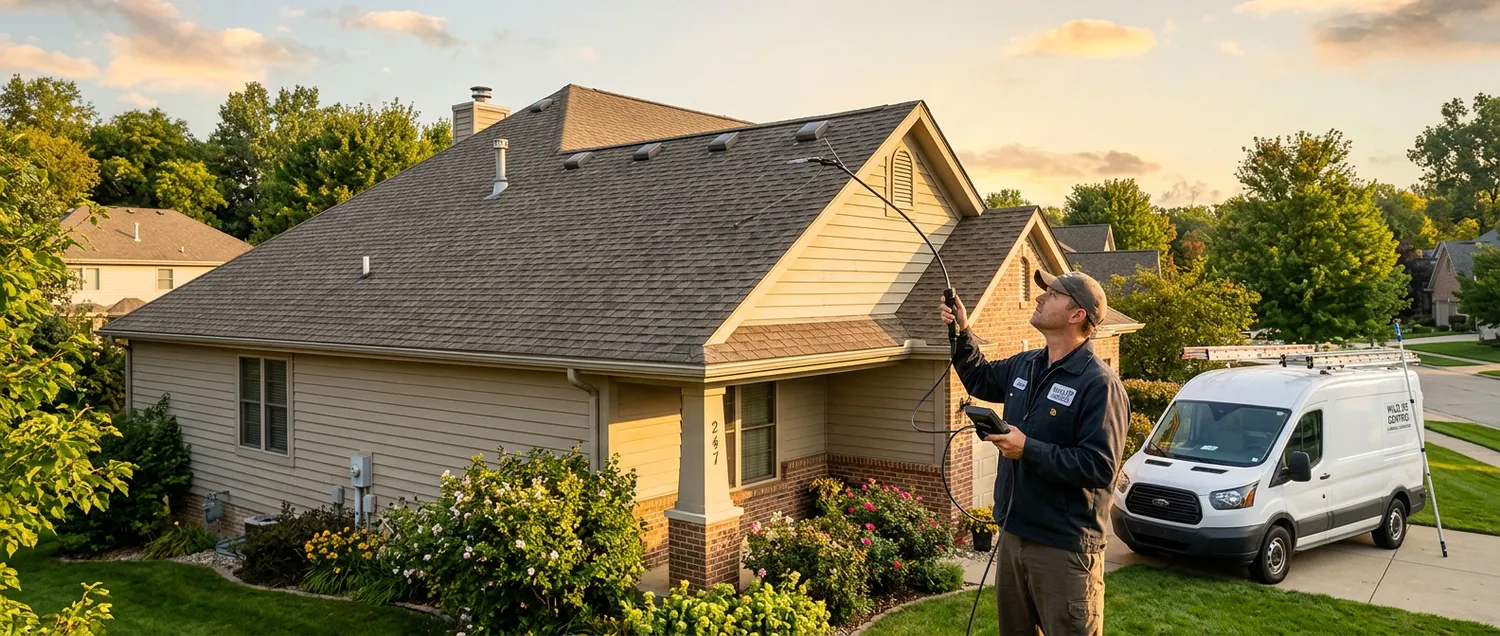
How to Use This Raccoon Guide
Start with the signs and safety information that match what you are seeing, then follow the recommended next step for your home. Raccoon activity can involve an active den, hidden entry points, contaminated insulation, or a seasonal issue, so solving the immediate problem and preventing a return both matter.
For practical help, learn about raccoon proofing and entry-point sealing, review the raccoon removal cost factors, or call to connect with a local wildlife professional.
Why State Laws Matter for Raccoon Removal
Raccoons are classified differently by different states. Some classify them as furbearers with strict trapping rules, while others treat them as nuisance wildlife with more flexible regulations. The rules that apply to you depend on where you live and can change from year to year.
Before any trapping or removal begins, it is important to check the current rules in your state. Trapping without understanding the rules can result in violations. A local wildlife professional who follows state regulations can handle removal lawfully and humanely.
Common Legal Questions About Raccoon Removal
State rules typically address these areas:
- Whether you can trap raccoons on your own property
- What types of traps are permitted
- Whether trapped raccoons can be relocated and where
- Whether a permit is required for trapping or relocation
- Whether there are seasonal restrictions, especially during birthing season
- How trapped animals must be handled and disposed of
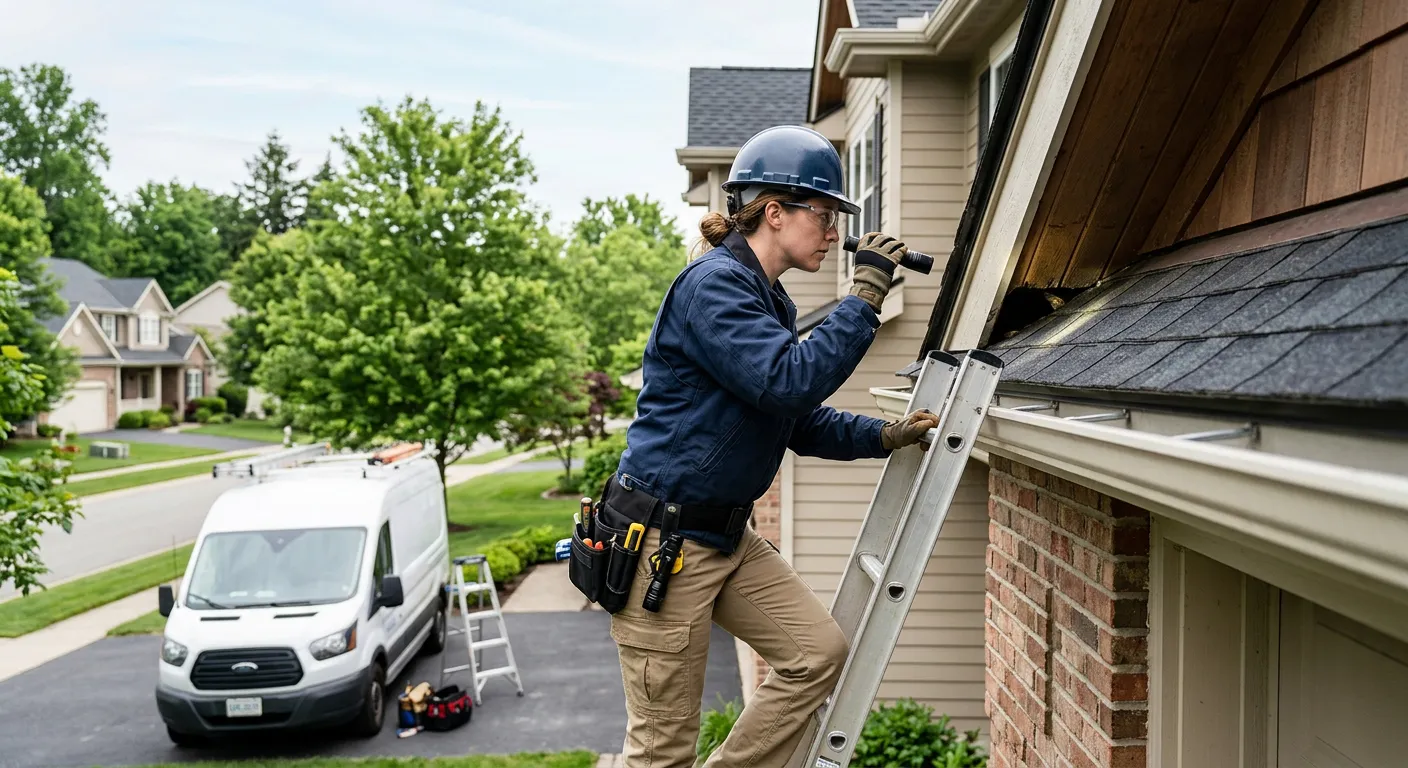
How to Find Your State Wildlife Agency
Each state has a wildlife or natural resources agency that sets rules for raccoon trapping and removal. You can find your state agency by searching for your state name plus wildlife agency or department of natural resources. Contact them directly for the most current rules.
When you call, ask about trapping regulations, relocation rules, permit requirements, and seasonal restrictions. If you are hiring a professional, ask whether they are licensed and follow state regulations. A reputable provider will be familiar with current rules.
Using a Professional Who Follows the Rules
One of the advantages of using a professional wildlife removal service is that the provider should be familiar with and follow your state's rules. When you call RaccoonRemovalPros, we connect you with local wildlife professionals who understand state regulations and use humane, lawful methods.
Even when using a professional, it is a good idea to verify that the provider is licensed and follows current state requirements. Ask the provider about their licensing, their approach to humane removal, and how they handle trapping and disposal in compliance with state rules.
Related Raccoon Removal Topics
The right solution depends on where the raccoon is living and what evidence it has left behind. Compare raccoons in an attic, safe raccoon droppings cleanup, and long-term raccoon prevention before deciding what to do next.
Need Professional Help?
If you are dealing with a raccoon problem, call to connect with a local wildlife professional. See our Raccoon Trapping page for more information.
Frequently Asked Questions
Is it legal to trap raccoons in my state?
Trapping rules vary by state and change over time. Check with your state wildlife agency for current requirements before any trapping, or call to connect with a local professional who follows state regulations.
Can I relocate a trapped raccoon?
Relocation rules vary by state. Some states allow relocation to approved areas, while others prohibit it. Check with your state wildlife agency for current rules before relocating any raccoon.
Do I need a permit to trap raccoons?
Permit requirements vary by state. Some states require permits for trapping or relocation, while others do not. Check with your state wildlife agency to find out what is required in your area.
Are there seasonal restrictions on raccoon trapping?
Some states have seasonal restrictions, especially during birthing season when babies may be present. Check with your state wildlife agency for current restrictions before any trapping.
How do I know if a wildlife professional follows state rules?
Ask the provider about their licensing, their approach to humane removal, and how they handle trapping in compliance with state regulations. A reputable provider will be familiar with current rules in your state.
Call Now for Raccoon Help
Call to connect with a local wildlife professional who can inspect your home, remove raccoons humanely, and seal entry points.