Raccoon Removal FAQ: Answers to Common Questions
This FAQ answers the most common questions homeowners have about raccoon removal, from how the process works to what it costs and how long it takes. If you have a question that is not answered here, call to speak with a local wildlife professional.
How to Use This Raccoon Guide
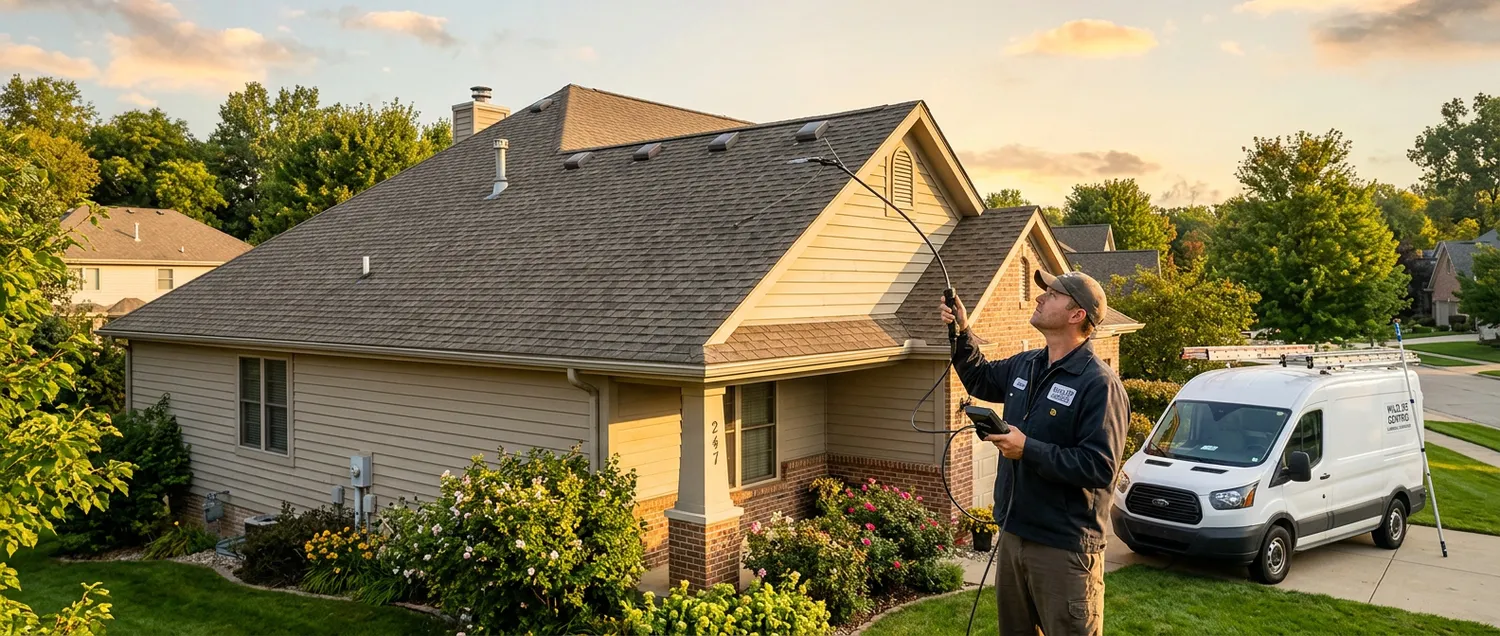
Start with the signs and safety information that match what you are seeing, then follow the recommended next step for your home. Raccoon activity can involve an active den, hidden entry points, contaminated insulation, or a seasonal issue, so solving the immediate problem and preventing a return both matter.
For practical help, learn about raccoon proofing and entry-point sealing, review the raccoon removal cost factors, or call to connect with a local wildlife professional.
How the Process Works
RaccoonRemovalPros is a referral service. When you call, we connect you with a local wildlife professional in your area. The provider you speak with handles the inspection, humane removal, sealing, and cleanup. RaccoonRemovalPros does not perform the work itself; all services are performed by independent local providers.
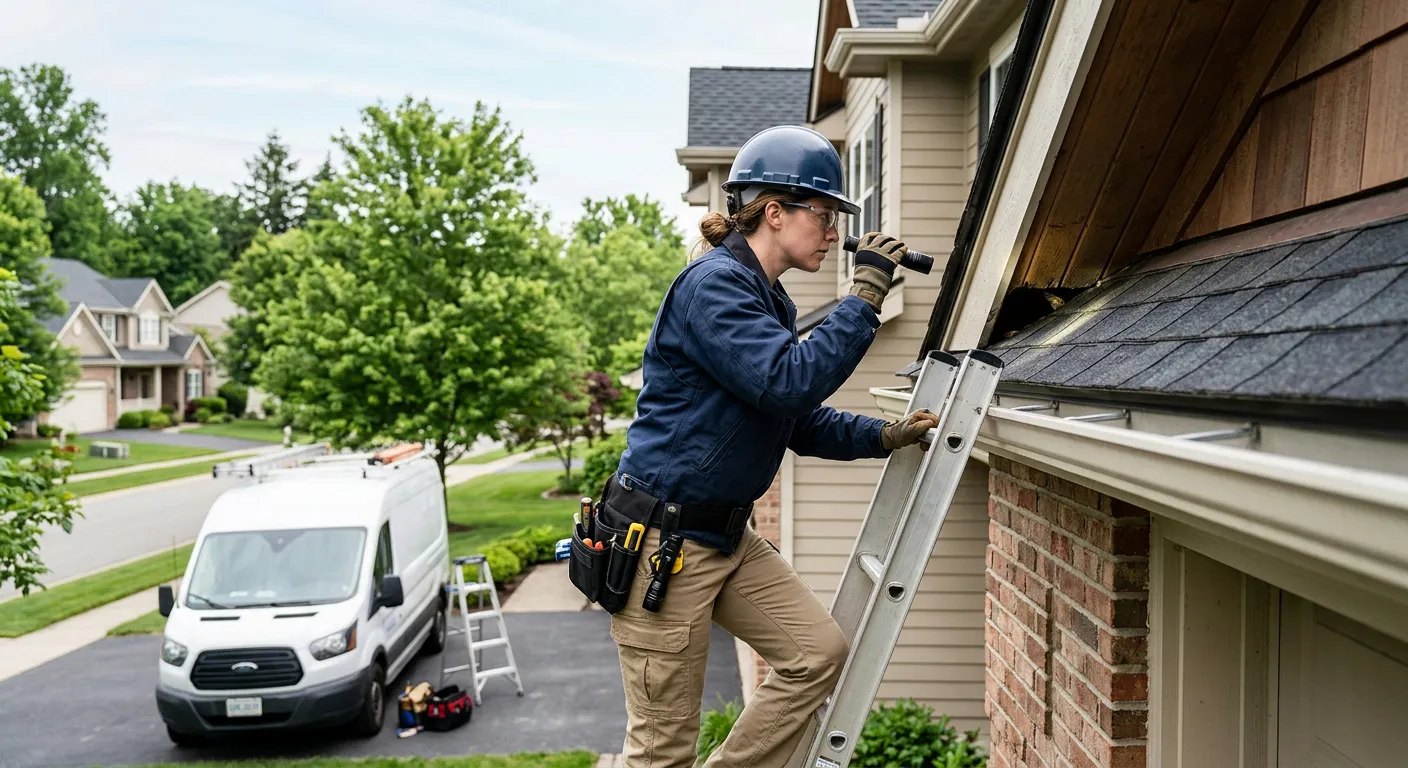
After removal, it is essential to have entry points sealed to prevent raccoons from returning. The provider can inspect your home, identify all entry points, and seal them with durable materials. Cleanup of droppings and contaminated insulation may also be recommended.
Cost and Insurance
Raccoon removal cost depends on several factors, including the number of animals, entry points, whether babies are present, and cleanup scope. Rather than providing generic estimates, we recommend calling to discuss your specific situation with a local provider for accurate pricing.
Homeowners insurance coverage for raccoon damage varies by policy. Some policies cover structural damage and cleanup, while others exclude wildlife damage. Check with your insurance provider about your specific coverage.
Safety and Health
Raccoon droppings can carry parasites, including raccoon roundworm eggs. Never handle droppings without protective equipment, and never sweep or vacuum dry droppings. Consult public-health guidance, such as CDC resources, for safe cleanup practices.
Raccoons can carry rabies, though most do not. If you see a raccoon acting disoriented or aggressive, keep your distance and keep pets and children away. Do not attempt to handle any raccoon.
Prevention
After removal and sealing, prevention is key to keeping raccoons from returning. Trim tree branches at least six feet from your roof, secure trash bins, remove pet food at night, pick up fallen fruit, and repair loose shingles and fascia promptly. Annual roof inspections help catch new gaps before raccoons do.
Related Raccoon Removal Topics
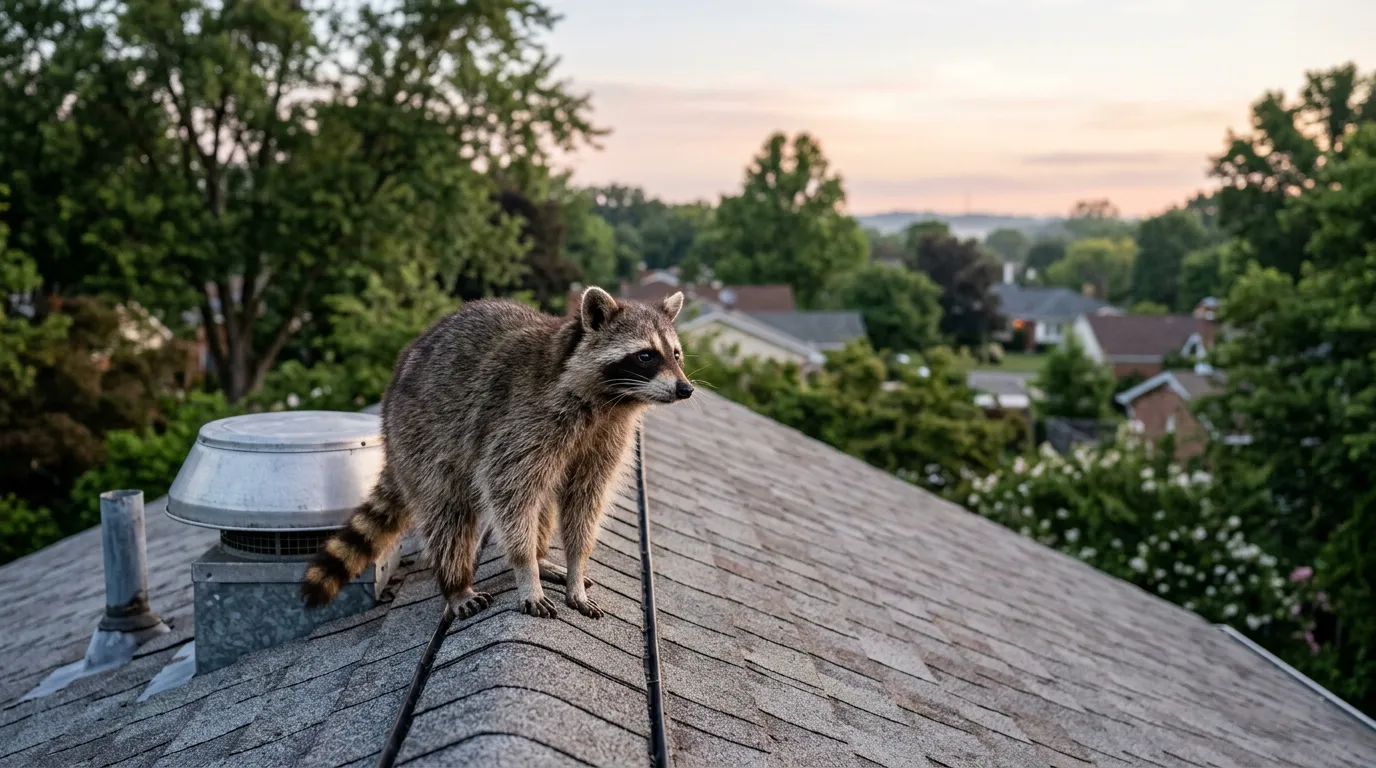
The right solution depends on where the raccoon is living and what evidence it has left behind. Compare raccoons in an attic, safe raccoon droppings cleanup, and long-term raccoon prevention before deciding what to do next.
Need Professional Help?
If you are dealing with a raccoon problem, call to connect with a local wildlife professional. See our Raccoons in Attic page for more information.
Frequently Asked Questions
How does RaccoonRemovalPros work?
Call our number and we connect you with a local wildlife professional in your area. The provider handles inspection, removal, sealing, and cleanup. RaccoonRemovalPros is a referral service connecting homeowners with independent local providers.
How much does raccoon removal cost?
Cost depends on the number of animals, entry points, babies, and cleanup scope. Call to discuss your specific situation with a local provider for accurate pricing rather than relying on generic estimates.
How long does raccoon removal take?
Removal time depends on the number of animals, whether babies are present, and how many entry points need sealing. A local provider can give you an estimated timeline after inspecting your home.
Is raccoon removal humane?
The local professionals we connect you with use humane, lawful methods. This means no poison and no harmful trapping. Removal is followed by sealing entry points to prevent return.
Will raccoons come back after removal?
If entry points are properly sealed with durable materials, raccoons should not return. However, new openings can form over time or after storms, so periodic roof inspections are recommended.
Do you serve my area?
We connect homeowners with local wildlife professionals across the United States. Check our locations page or call to confirm availability in your area.
Call Now for Raccoon Help
Call to connect with a local wildlife professional who can inspect your home, remove raccoons humanely, and seal entry points.