Raccoon Removal Charlotte, NC
Raccoon removal Charlotte, NC homeowners can trust starts with one call. Charlotte's heavy tree canopy, creek corridors and fast suburban growth put homes from Dilworth to Ballantyne directly in raccoon territory. We connect you with local wildlife professionals who know Charlotte's neighborhoods and housing styles.
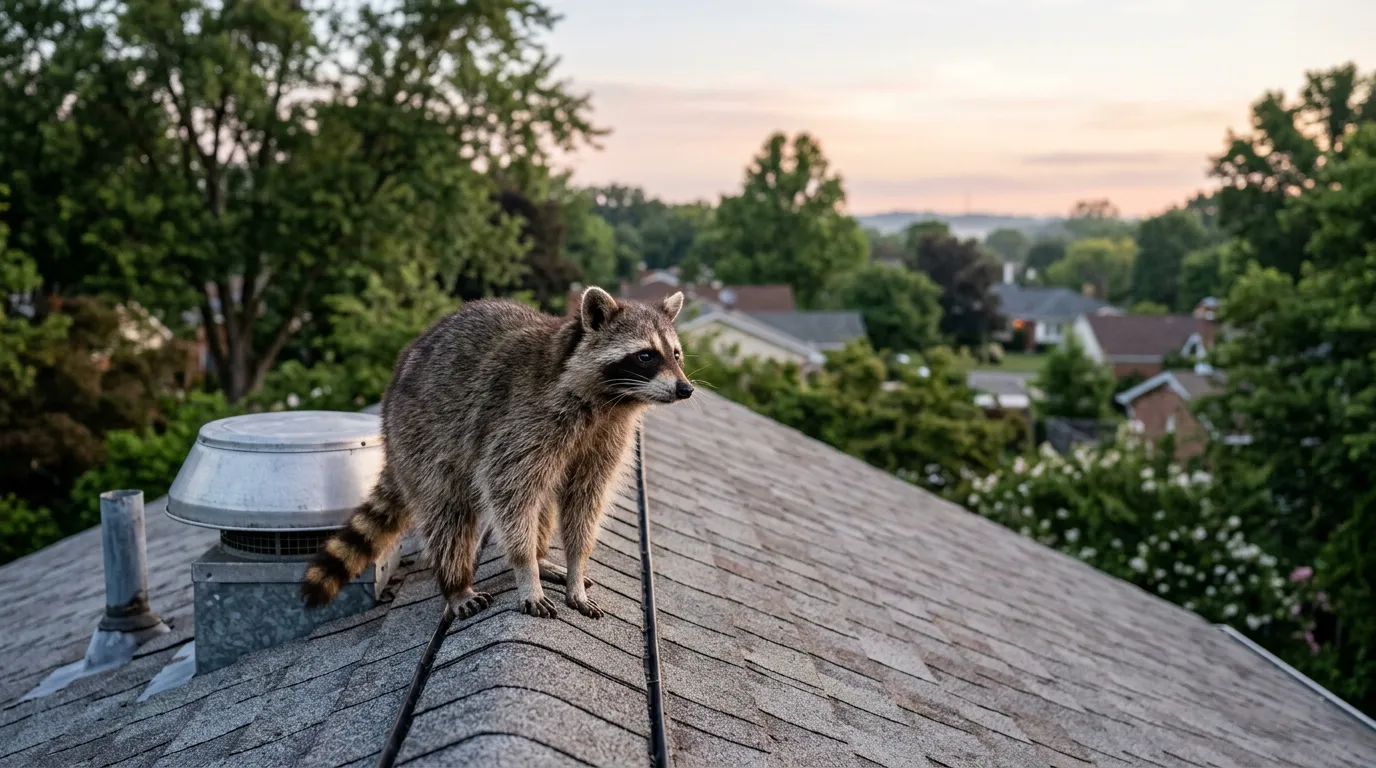
A Practical Raccoon Removal Plan for Charlotte
Raccoon problems in Charlotte homes are easier to resolve when the provider looks beyond the first hole or noise. A careful inspection should identify the active den, check for young, look for damage, and review nearby food or shelter attractants. That creates a safer plan for removal and reduces the chance of another raccoon using the same opening.
Learn more about raccoons in attics, raccoon proofing, and prevention steps before you call.
Raccoon Problems Local Pros Handle in Charlotte
Local wildlife professionals in Charlotte handle all types of raccoon problems:
Why Charlotte Has Raccoon Problems
Charlotte is one of the fastest-growing cities in the South, and new development constantly pushes into established raccoon habitat. The city's heavy tree canopy, especially in older neighborhoods like Dilworth and Myers Park, gives raccoons roof access. Creek corridors and greenways provide travel routes. In newer areas like Ballantyne, homes built on recently cleared land sit next to active raccoon territory.
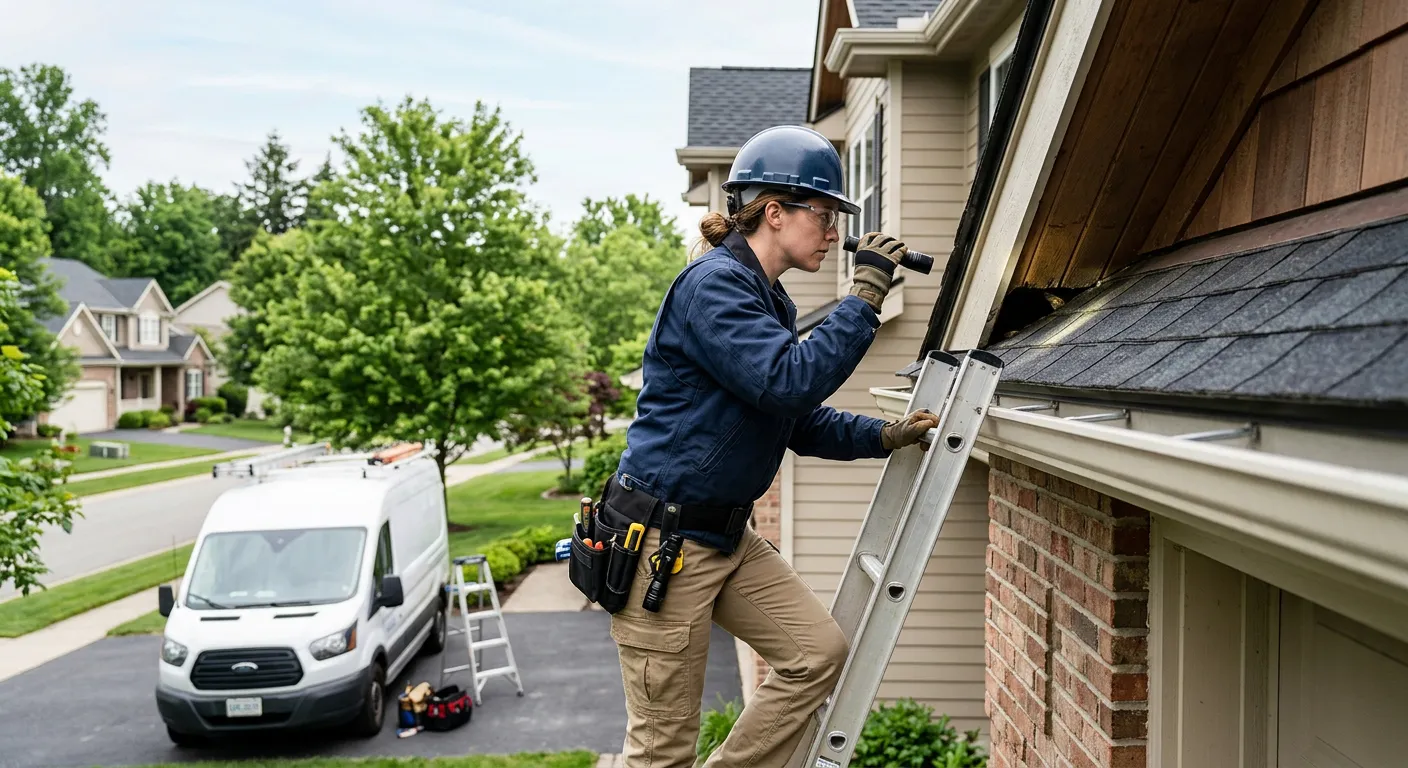
Where Raccoons Show Up Around Charlotte
Dilworth and NoDa bungalows report attic entries through aging vents and soffits. Myers Park sees raccoons in larger homes with complex rooflines and chimneys. Plaza Midwood and South End report raccoons in attics and under porches. Ballantyne has raccoons in newer builds near wooded edges.
Common Entry Points on Charlotte Homes
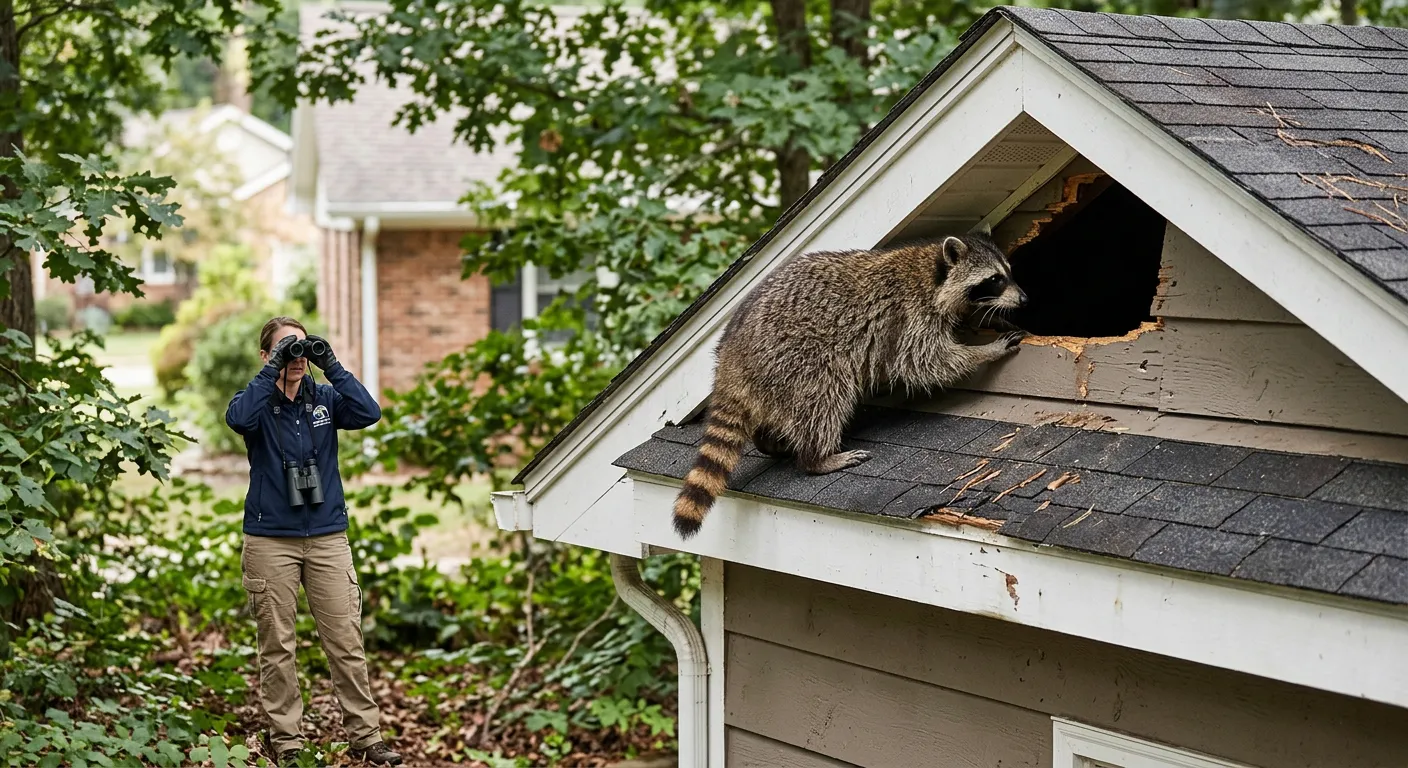
Charlotte homes commonly see entry through aging vents on bungalows, uncapped chimneys on larger homes, gable and soffit gaps, and unsealed vents in newer Ballantyne construction near wooded edges.
Speak to a Wildlife Pro
Have raccoons in your home? Call to get connected with experienced local wildlife professionals who can help.
How Raccoon Removal Works in Charlotte
- 1
Call
Call to connect with a local wildlife professional who serves Charlotte and the surrounding area.
- 2
Inspection
The provider inspects your home to identify entry points and confirm raccoon activity.
- 3
Humane Removal
Raccoons are removed using humane, lawful methods that comply with North Carolina regulations.
- 4
Sealing
Every entry point is sealed with durable materials to prevent raccoons from returning.
- 5
Cleanup
If needed, droppings and contaminated insulation are safely removed and the area is disinfected.
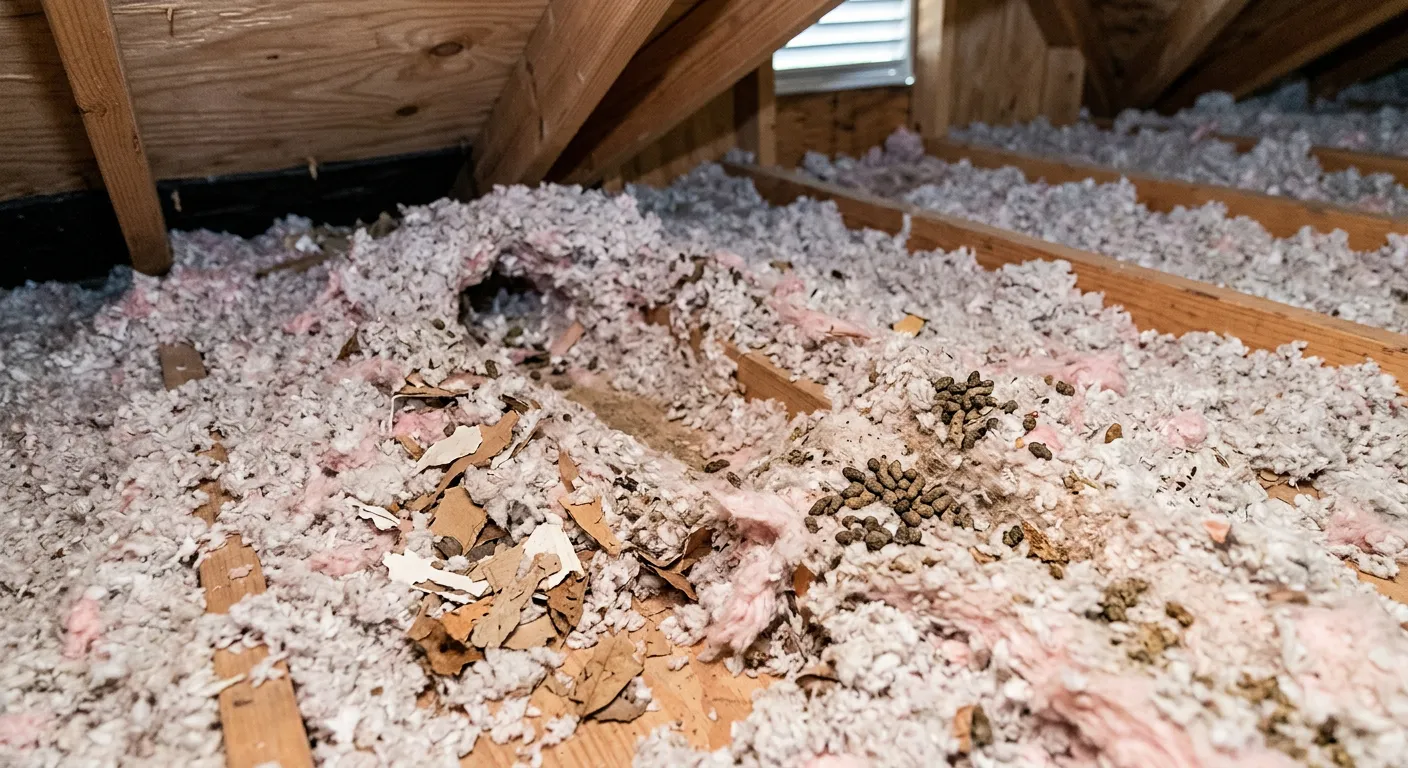
What to Document Before Calling in Charlotte
If it is safe to do so, note the time of day you hear activity, the exact room or roof area involved, visible entry damage, and any signs of droppings or nesting. Do not climb onto the roof or approach a raccoon. Sharing these details can help the local provider prepare for an inspection and explain whether humane trapping, exclusion, cleanup, or repair may be needed.
Rules and Regulations in North Carolina
North Carolina regulates raccoon trapping and relocation. Charlotte homeowners should check with the North Carolina Wildlife Resources Commission for current requirements before any removal.
Raccoon Removal Cost in Charlotte
Raccoon removal cost in Charlotte depends on the number of animals, entry points, whether babies are present, and cleanup scope. Rather than relying on generic estimates, call to discuss your specific situation with a local provider. See our raccoon removal cost guide for more information.
Why Charlotte Homeowners Call RaccoonRemovalPros
Charlotte homeowners call RaccoonRemovalPros to connect with local wildlife professionals who understand both older canopy neighborhoods and fast-growing suburban builds.
Charlotte Raccoon FAQ
Does Charlotte's growth increase raccoon problems?
Yes. New development pushes into established raccoon habitat. Homes in newly built areas, especially near wooded edges, often encounter raccoons in the first years after construction.
Are Charlotte bungalows vulnerable to raccoons?
Yes. Older bungalows in Dilworth and NoDa have aging vents, soffits and chimneys under heavy tree canopy. Regular inspections help catch weak entry points.
Do Charlotte greenways bring raccoons to homes?
Yes. Creek corridors and greenways provide travel routes right through neighborhoods. Homes near these corridors with mature trees see consistent raccoon activity.
Is raccoon baby season different in Charlotte?
Most Charlotte-area litters are born in spring. Charlotte's mild climate means raccoons stay active longer into the year than in colder regions.
How do I keep raccoons out of my Charlotte attic?
Seal every entry point, trim canopy branches back from the roof, secure bins and pet food, and check your roofline annually, especially after storms.
Other Areas We Serve
Call Now for Raccoon Help
Call to connect with a local wildlife professional who can inspect your home, remove raccoons humanely, and seal entry points.